

Common Manual Resuscitator Failures (And How to Fix Them Fast)


Author
Experience the Xiamen Tianzuo Medical difference – where every product is a testament to our dedication to health and safety.
Tianzuo Medical


In emergency situations, a manual resuscitator—often called a bag-valve mask (BVM) or AMBU bag—can mean the difference between life and death.
But even small malfunctions can compromise ventilation. Knowing how to spot and fix common issues is a critical skill for any healthcare professional.
Below, we break down the most frequent BVM problems, what causes them, and how to troubleshoot them on the spot.
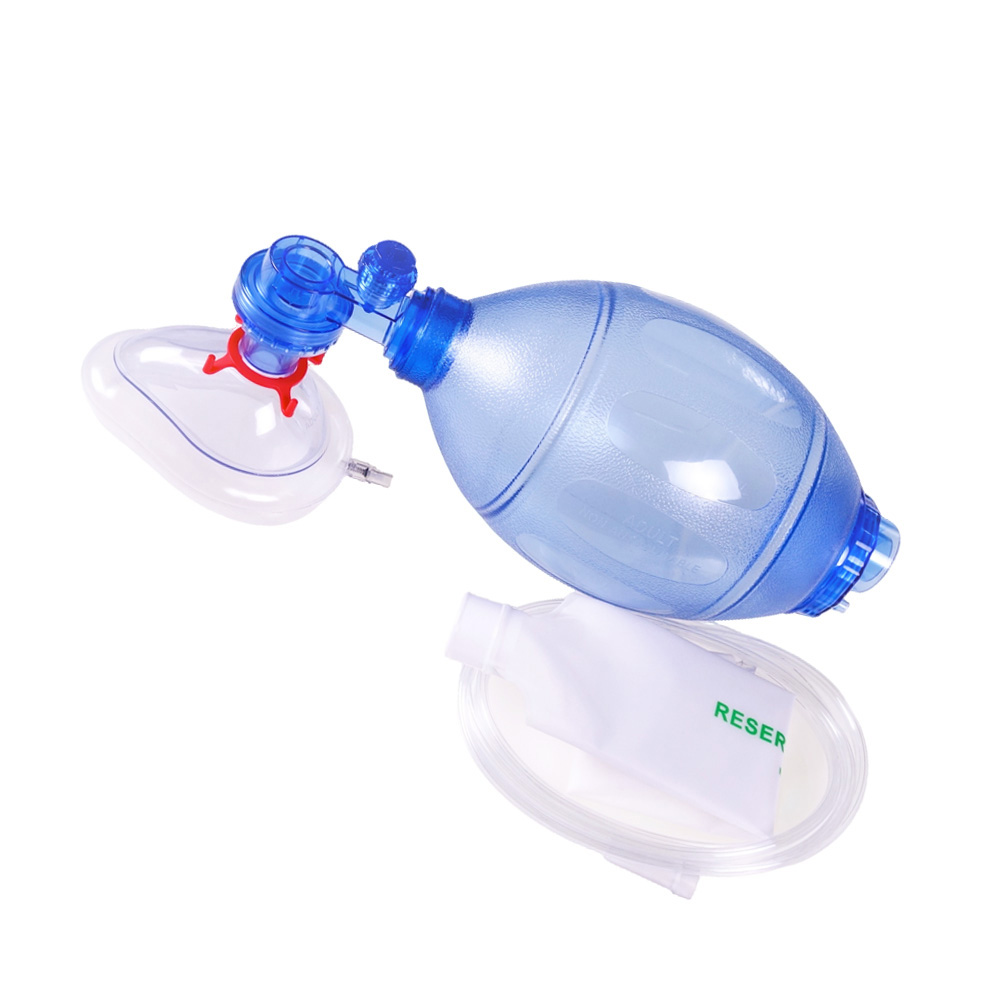
1. Air Leaks During Use
Air leakage is the #1 complaint with manual resuscitators. It usually happens at three points: the mask seal, the valve connections, or the bag itself.
🔍 How to fix it:
-
Reapply the mask to ensure a tight face seal. Adjust head positioning if needed.
-
Check the inlet and outlet valves for cracks, dirt, or debris that might prevent sealing.
-
Look over the bag for any visible tears, holes, or worn spots.
✅ A small leak can greatly reduce tidal volume. Always start troubleshooting at the mask.
2. Valve Malfunctions
Faulty valves directly affect airflow direction and volume. Here’s what to watch for:
| Problem | What happens | Quick fix |
|---|---|---|
| Inlet valve stuck closed | Bag won’t refill after squeezing | Clean or replace valve |
| Outlet valve stuck open | Air flows back into bag, not patient | Inspect and replace if needed |
| Faulty PEEP valve | Incorrect pressure in critical care | Pre-test PEEP function before use |
🧪 Pro tip: Test all valves before putting a resuscitator into service. This prevents most field failures.
3. The Bag Won’t Refill
You squeeze the bag… and it stays flat. This is usually a refill issue, not a bag problem.
Common causes and fixes:
-
Check oxygen tubing – kinks or blocks are the #1 cause.
-
Look at the inlet valve – if stuck, it can’t draw air or O₂.
-
Verify gas source – low pressure or empty tank = no refill.
Work from the outside in: tubing → connections → oxygen source → valve.
4. Poor Chest Rise (Even When Squeezing)
This is frustrating. You’re squeezing the bag, but the patient’s chest barely moves.
Step-by-step troubleshooting:
-
Recheck mask seal – a loose mask = lost volume.
-
Open the airway – use head-tilt, chin-lift or jaw-thrust.
-
Clear obstructions – suction if you suspect secretions or foreign body.
-
Inspect the resuscitator – bag tear or valve failure may reduce output.
👉 Poor chest rise is rarely just one issue. Always check both patient and equipment.
🛠️ Pre-Use Checklist (Prevents Most Failures)
Do this before every shift or patient contact:
-
Squeeze the bag and watch for smooth refill.
-
Listen for air leaks around valves and mask.
-
Inspect all ports, tubing, and mask for cracks or blockages.
-
Test oxygen flow if connected to a source.
-
Store BVMs in clean, dry, and temperature-controlled conditions.
📅 Replace expired or worn parts immediately—don’t wait for failure.
🔄 When to Retire a Resuscitator
No BVM lasts forever. Replace yours immediately if:
-
The bag is cracked, torn, or permanently deformed.
-
Valves fail after cleaning and reassembly.
-
The device has passed its expiration date (yes, BVMs expire).
-
It no longer meets safety standards (ISO 10651-4, AHA guidelines).
💡 A failing BVM puts patients at risk. Reliable equipment saves lives—don’t compromise.
- How to Choose an Endotracheal Tube: Cuffed vs Uncuffed and Size Selection for Buyers
- How to Choose a Tourniquet: Windlass vs Elastic Buckle for First-Aid Buyers
- CPR Mask vs Face Shield: Which First-Aid Item Should You Stock?
- How to Choose an Anesthesia Breathing Circuit: Circle vs Mapleson, Disposable vs Reusable
- How to Use a Three-Ball Spirometer: A Practical Guide for Post-Surgery Breathing Recovery
- How to Choose a Head Immobilizer: A B2B Buyer's Guide for EMS and Hospital Procurement
- High-Flow Nasal Cannula (HFNC): How It Works and When to Choose It Over a Standard Oxygen Mask
- Nasal Oxygen Cannula: The Quiet Workhorse of Oxygen Therapy (and How to Spec It Right)