Why High-Quality First Aid Equipment Boosts Rescue Success Rates
Apr, 29 2026
When seconds count in an emergency, the difference between life and death often comes down to one critical factor: the quality of your first aid equipment. Cheap, low-grade gear can malfunction when you need it most, while professional, reliable first aid tools directly improve treatment outcomes, keep responders safe, and streamline emergency care. In this guide, we break down exactly how top-tier emergency medical equipment turns high-pressure situations into successful rescues.
Stable Emergency Performance: Gear That Doesn’t Fail When It Matters Most
In chaotic environments—ambulances, accident scenes, ICUs, and field emergencies—your equipment must perform consistently, no matter the stress.
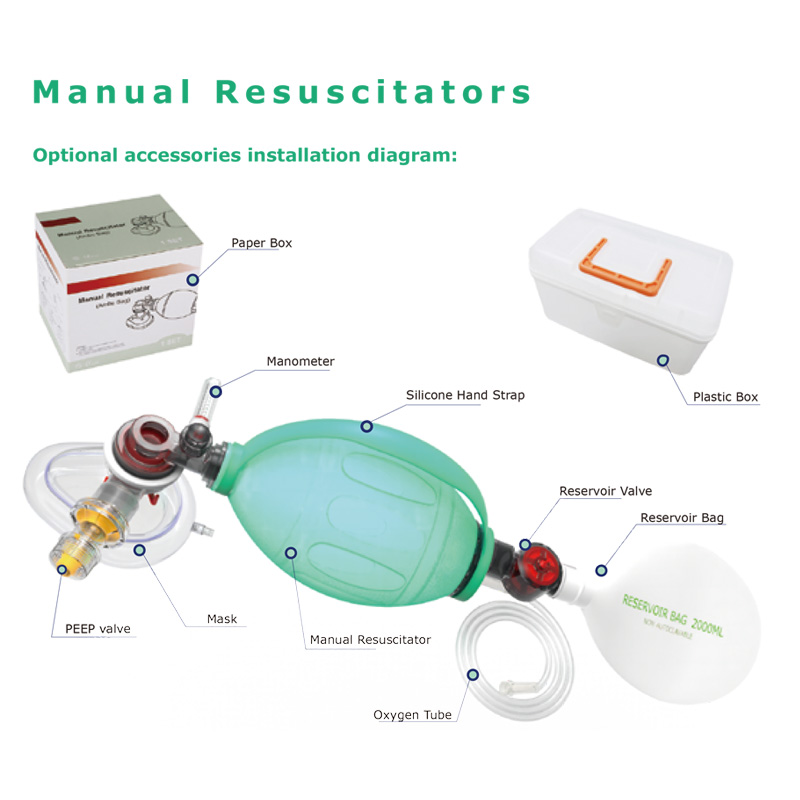
Premium manual resuscitators and professional first aid devices deliver:
Steady, reliable tidal volume for proper ventilation
Smooth, uninterrupted airflow
Fully functional valves that won’t stick or leak
Unlike low-quality alternatives that can fail under pressure, high-grade emergency gear maintains stable performance in real-world crisis conditions. This reliability means you can focus on patient care, not troubleshooting broken equipment.
Superior Safety & Infection Control: Protecting Patients and Providers
Emergency care isn’t just about saving lives—it’s about keeping everyone safe from avoidable harm. High-quality first aid equipment is built with strong infection control in mind:
Medical-grade, non-toxic materials that meet strict health standards
Disposable components to eliminate cross-contamination
Independent exhalation systems that reduce infection risk
Patented structural designs that prevent fluid or bacterial contamination
These features make professional gear the safest choice for both pre-hospital emergency response and in-clinic treatment.
Ultra-Low Impedance: Easier Ventilation for Better Patient Outcomes
One of the most overlooked but vital advantages of premium first aid equipment is its low breathing impedance.
Top manual resuscitators offer:
Inspiratory impedance as low as 2.0 cmH₂O
Expiratory impedance of just 1.9 cmH₂O
Well below the global standard of <5 cmH₂O
For patients in respiratory failure, this makes a life-changing difference. Lower impedance means less effort for the patient to breathe during resuscitation, improving oxygen delivery and reducing fatigue during critical care.
Global Certifications: Trusted by Hospitals and Emergency Teams Worldwide
Quality first aid equipment isn’t just well-made—it’s certified and recognized globally. Products that pass international safety and performance standards are the preferred choice for:
Hospitals and medical clinics
Professional emergency response teams
Medical distributors and suppliers
International procurement organizations
Certifications ensure compatibility, reliability, and acceptance across different healthcare systems and regions.
Final Thoughts: Quality First Aid Equipment Is Non-Negotiable
Emergency care doesn’t give you a second chance. Low-cost, low-quality first aid gear may seem economical upfront, but it puts patients and responders at serious risk during crises.
Investing in high-quality, professional emergency medical equipment means:
Consistent performance when every second counts
Stronger infection control and safety
Better patient comfort and ventilation outcomes
Global trust and compliance with medical standards
If you’re responsible for emergency preparedness—whether for a hospital, ambulance team, workplace, or community program—never compromise on first aid equipment quality. It’s the foundation of successful rescue and effective life-saving care.