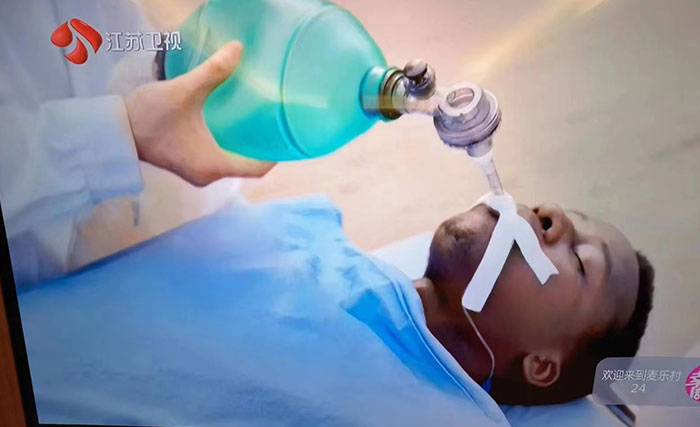
How to Use an Ambu Bag Correctly for Reliable Oxygen Delivery (For Medical Procurement & Clinical Use)
Feb, 11 2026
As a core emergency medical device, the Ambu bag (BVM) is widely used in hospitals, clinics, and pre-hospital emergency settings. For medical procurement professionals, choosing high-quality Ambu bags and ensuring proper use by clinical teams directly affects patient safety and treatment outcomes. Below is a concise, actionable guide to correct Ambu bag use—focused on oxygen delivery accuracy, with insights for both clinical practice and procurement reference.
1. Pre-Use Inspection: The Foundation of Reliable Oxygen Delivery
For procurement teams, prioritizing Ambu bags with intact structures and high-quality valves is key. For clinical users, pre-use checks ensure no equipment defects compromise oxygen delivery:
Check the self-inflating bag for cracks, leaks, or poor rebound—signs of low-quality materials that procurement should avoid.
Test one-way valves (inlet/outlet) to prevent air backflow, which dilutes oxygen; high-performance valves are a critical procurement criterion.
Ensure the matching reservoir (collapsible, transparent) is securely attached—loose connections cause oxygen leakage, a common issue with low-standard accessories.
2. Optimal Oxygen Flow: Key to Consistent FiO₂
Oxygen flow setting directly determines the accuracy of delivered oxygen concentration (FiO₂), a critical factor for emergency treatment. Procurement teams should note that high-quality Ambu bags work best with stable flow meters:
Adults/Pediatrics: 10–15 L/min (ensures 95–100% FiO₂ with a fully inflated reservoir).
Neonates: 5–10 L/min (avoids barotrauma, maintains 90–95% target SpO₂).
Avoid flows <10 L/min (adults)—incomplete reservoir inflation reduces FiO₂ to 70–90%, insufficient for critical cases like cardiac arrest.
3. Proper Technique: Maximize Oxygen Delivery Efficiency
Even the best Ambu bags (procured with high standards) will fail without correct clinical technique. Focus on these key points:
Seal Maintenance: Use the EC-clamp method for face masks; ensure tight connections for ETT/LMA (small leaks reduce FiO₂ by 10–20%).
Squeezing Rhythm: Slow, gentle squeezes (1–2 seconds/adult) deliver 500–600 mL tidal volume; avoid forceful squeezing to prevent lung injury.
Rate Control: 10–12 breaths/min (adults), 12–20 breaths/min (pediatrics/neonates) to avoid hyperventilation.
4. Monitoring & Procurement Tips
Continuous monitoring ensures oxygen delivery accuracy, while procurement decisions support long-term reliability:
Clinical Monitoring: Track SpO₂ (≥94% for most patients), observe reservoir inflation, and check chest rise/breath sounds.
Procurement Insights: Prioritize Ambu bags with durable, leak-proof materials, compatible reservoirs, and easy-to-clean components (compliant with hospital infection control standards).
Final Note for Medical Procurement & Clinical Teams
Accurate oxygen delivery with an Ambu bag relies on two pillars: high-quality equipment (from reliable procurement) and standardized clinical technique. For procurement professionals, choosing Ambu bags with robust valves, intact reservoirs, and compatible accessories ensures clinical teams can deliver consistent, life-saving oxygen. For clinical users, following these steps maximizes device performance and patient outcomes.
Whether you’re procuring Ambu bags for your facility or training clinical staff, this guide ensures you get the most out of this critical emergency device.