Essential First Aid Skills Everyone Should Master: A Complete Guide
Apr, 21 2026
Accidents and medical emergencies can strike at any time—at home, on the road, at work, or in public spaces. Knowing basic first aid isn’t just a useful skill; it’s a life-saving one. When seconds count, the right knowledge can help you protect yourself, support loved ones, and assist strangers in critical situations.
In this guide, we break down practical, easy-to-learn first aid skills you can master today to stay prepared for unexpected emergencies.
How to Safely Check an Injured Person
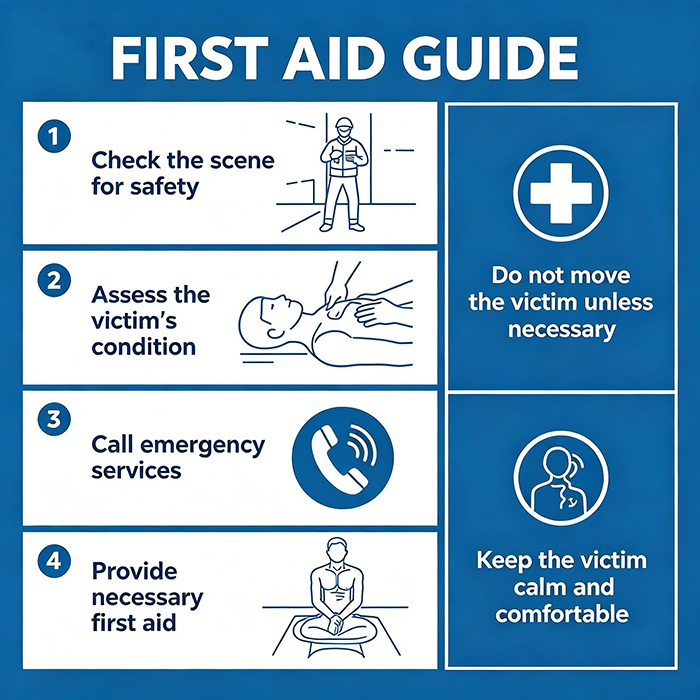
Before you act, always confirm the scene is safe for you and the injured person. Rushing into a dangerous area can put both of you at greater risk.
Once safe, gently check for three key things:
Consciousness: Tap their shoulder and ask if they’re okay.
Breathing: Look, listen, and feel for normal breaths.
Pulse: Check for a steady heartbeat at the neck or wrist.
If the person is unresponsive, not breathing normally, or confused, call your local emergency number immediately. Avoid moving them unnecessarily—especially if you suspect a neck or spinal injury.
How to Control Severe Bleeding Fast
Heavy bleeding can become life-threatening in just minutes. Knowing how to stop blood loss quickly is one of the most valuable first aid skills.
Follow these simple steps:
Cover the wound with a clean cloth, gauze, or even a clean piece of clothing.
Apply firm, continuous pressure directly on the wound until bleeding stops.
If possible, raise the injured limb above heart level to slow blood flow.
Do NOT remove clots once they form—this can restart bleeding.
Keep pressure steady until emergency help arrives.
How to Perform CPR for Sudden Cardiac Arrest
Cardiac arrest can happen to anyone, at any age. When someone collapses and stops breathing, CPR (cardiopulmonary resuscitation) can double or even triple their chance of survival.
How to do hands-only CPR:
Kneel next to the person and place the heel of one hand on the center of their chest.
Place your other hand on top and interlock your fingers.
Push hard and fast at a rate of 100–120 compressions per minute.
Keep going without stopping until professional help takes over.
You don’t need formal training to use hands-only CPR in an emergency.
How to Help Someone Who Is Choking
Choking cuts off air supply quickly. If someone can’t breathe, speak, or cough strongly, act fast.
Use these two steps:
Back blows: Stand behind them and deliver firm hits between the shoulder blades.
Abdominal thrusts (Heimlich maneuver): Wrap your arms around their waist, make a fist, and pull inward and upward quickly.
If the person loses consciousness, stop thrusts, call emergency services, and start chest compressions right away.
Provide Comfort & Reassurance During an Emergency
First aid isn’t just physical—it’s emotional too. Shock and panic can make an injury worse.
Stay calm and:
Speak in a soft, reassuring voice.
Tell them help is on the way.
Keep them warm and still to avoid extra stress.
Avoid unnecessary movements that could worsen pain or injury.
Small acts of comfort can make a huge difference in a crisis.
Choose Reliable First Aid Tools for Home & Work
Having quality first aid supplies makes any response safer and more effective. Well-designed first aid kits and tools are:
Easy to use even under stress
Safe and durable for repeated use
Suitable for homes, offices, schools, and public spaces
Look for internationally certified first aid products trusted by medical professionals and families worldwide.
Final Thoughts: First Aid Is a Life Skill Worth Learning
You don’t need to be a doctor or nurse to save a life. Mastering these basic first aid skills gives you the confidence to act calmly and effectively when emergencies happen.
Whether you’re a parent, teacher, employee, or traveler, first aid training helps you protect the people around you. Stay prepared, stay safe, and know that your knowledge can make all the difference.