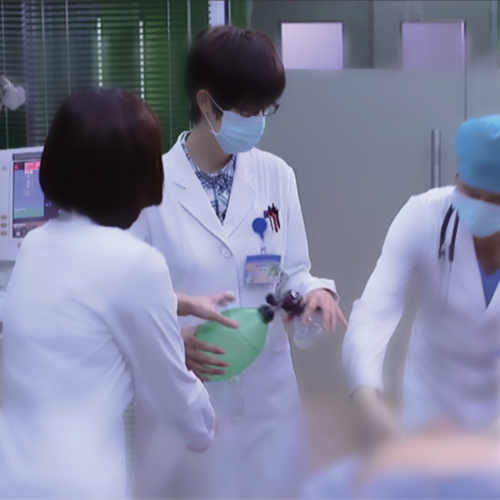
Most people don’t think much about anesthesia masks.
And that’s fine — until you’re the one holding it, trying to get a good seal, and the patient isn’t breathing as easily as you’d like.
Then? It matters. A lot.
We make these masks. Not just as a product on a shelf — but as something clinicians use every single day. Over the years, we’ve picked up a few things worth sharing.
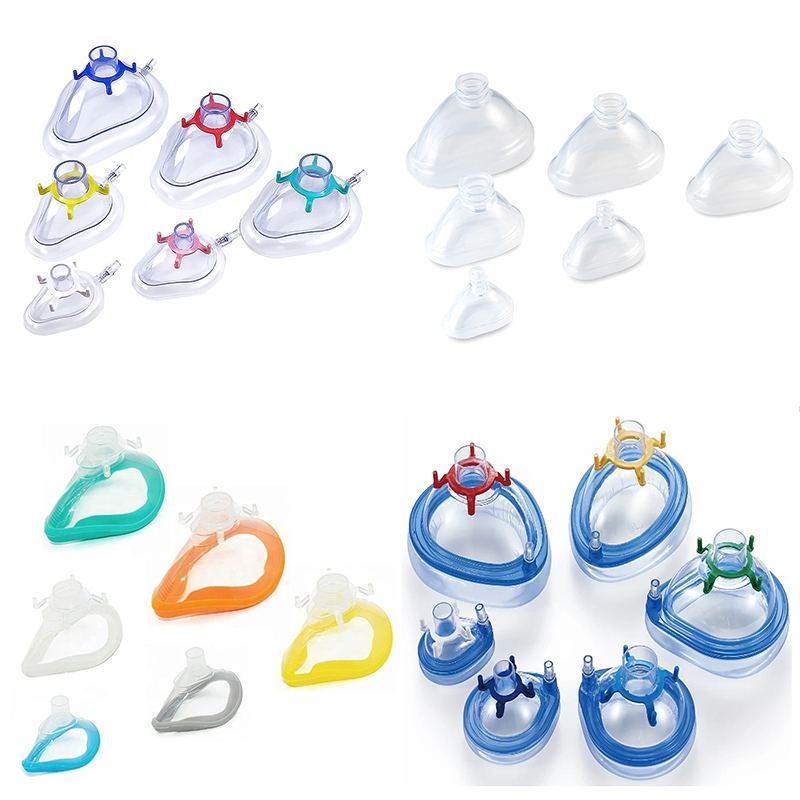
Why the Mask Matters More Than You Think
Anesthesia masks are simple. But simple doesn’t mean easy.
A good mask does three things quietly:
Seals without hurting the patient’s face
Fits different facial shapes without constant readjustment
Lets the clinician focus on the airway — not fighting the equipment
When those three things work? You barely notice the mask.
When they don’t? You notice immediately.
We’re not a startup. Tianzuo Medical has been in respiratory and emergency care for years. And masks? We’ve made a lot of them.
Here’s what actually matters — based on real feedback, not spec sheets.
A soft cushion feels nice. But a well-designed cushion keeps the seal while reducing pressure on the bridge of the nose and cheekbones.
We use medical-grade materials. Not because it sounds good — but because cheap materials get stiff over time. And a stiff mask? Hard to seal.
Sounds small. But ask any anesthesiologist or nurse:
If the hook ring is in the wrong spot, the mask pulls sideways. You end up fighting your own hand.
We put it where it actually balances the mask. No guessing.
Some masks are tinted or opaque. Looks nice. But when you’re checking for condensation, moisture, or vomitus? You want to see through it.
Clear mask body. Simple, practical, no-nonsense.
Yes, anesthesia masks are made for operating rooms. But we see them used in other places too:
Emergency departments – for pre-oxygenation before intubation
Ambulances – as part of backup airway kits
Respiratory care – for certain inhalation therapies
So even if you’re not buying for a surgical center — it’s still worth knowing what makes a mask reliable.
If you’re sourcing anesthesia masks for a hospital, clinic, or distribution, here’s our honest advice:
| What to check | Why it matters |
|---|---|
| Material quality | Cheap PVC hardens — PS or silicone lasts longer |
| Cushion design | Better seal = less leakage |
| Hook ring position | Affects balance and ease of use |
| Transparency | Lets you see patient’s mouth and secretions |
| Packaging | Sterile or non-sterile? Match your use case |
Nothing fancy. Just things that actually affect daily use.
Too big = leaks around the chin.
Too small = pressure marks and poor fit.
We offer standard sizes (newborn, infant, child, adult). If you’re not sure which size moves fastest in your market — ask us. We’ve seen the data across dozens of countries.
We don’t think an anesthesia mask is “high tech.”
But we do think it needs to be done right.
No funny smells. No peeling cushions after three months. No masks that slide off when the patient moves a little.
Just a clean, reliable mask that works — shift after shift.
If that sounds like what you’re looking for, we’d be happy to talk.
You can check our anesthesia mask specs here, or just reach out and ask us directly.
We reply fast. No auto-response walls.
Please read on, stay posted, subscribe and we welcome you to tell us what you think
leave a message
Scan to Wechat :

Scan to WhatsApp :

Mobile Website QR Code :