

5 Common Emergency Scenarios & Correct First Aid Methods You Must Know


Author
Experience the Xiamen Tianzuo Medical difference – where every product is a testament to our dedication to health and safety.
Tianzuo Medical


Emergencies strike without warning. Whether at home, work, or outdoors, mastering practical first aid skills can save lives. Below are the 5 most common emergency situations and step-by-step correct first aid procedures, plus key tips for choosing reliable first aid equipment for your family and team.
1. Respiratory Arrest: Immediate Ventilation Support
When someone stops breathing, every second counts.
· Immediately provide artificial ventilation with a manual resuscitator (Ambu bag) and oxygen supply.
· Ensure a tight mask seal to avoid air leakage.
Follow standard ventilation rates to keep oxygen flowing and stabilize the patient before professional help arrives.
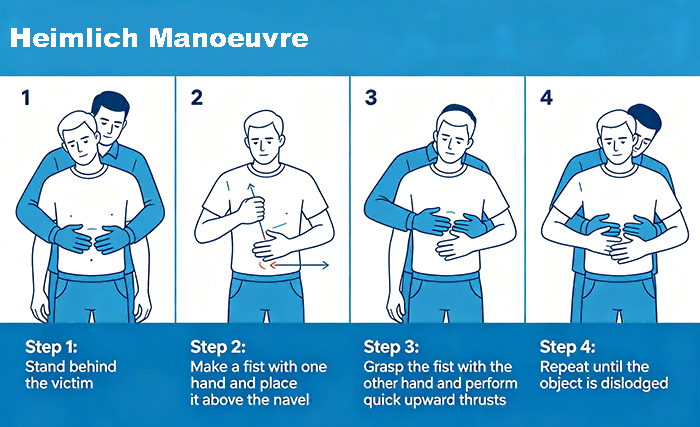
2. Choking: Rapid Airway Clearance
Choking can lead to suffocation in minutes — act fast.
· Learn the Heimlich maneuver from a certified first aid training course.
· Use professional anti-choking devices: they work for trained and untrained users alike.
· Clear the airway as quickly as possible to restore normal breathing.
3. Cardiac Arrest: CPR & Chest Compressions
CPR keeps blood circulating to the brain and heart when the heart stops.
· Check for response: if no reaction, call your local emergency number immediately.
· Start hands-only CPR (no rescue breaths needed for untrained rescuers).
· Place one hand over the other on the center of the chest.
· Push straight down 2 inches (≈5 cm) at a rate of 100–120 compressions per minute.
· Let the chest fully rise between compressions.
· Keep going nonstop until a trained responder or medical team takes over.
4. Trauma Injuries: Immobilize & Protect
Fractures, neck injuries, and sprains need quick immobilization.
· Use cervical collars for neck injuries.
· Apply air splints to fractured or sprained limbs.
· This stops secondary damage and reduces pain during transport to a hospital.
5. How to Choose Reliable First Aid Equipment
· For business buyers, families, and medical teams, quality and safety are non-negotiable.
· Prioritize devices that are safe, durable, and easy to operate.
· Look for international certifications: CE, ISO, FDA.
· Select age-appropriate sizes: adult, child, and infant for full coverage.
Final Note: Preparedness saves lives. Stock high-quality first aid tools and refresh your skills regularly to stay ready for any emergency.
- How to Choose an Endotracheal Tube: Cuffed vs Uncuffed and Size Selection for Buyers
- How to Choose a Tourniquet: Windlass vs Elastic Buckle for First-Aid Buyers
- CPR Mask vs Face Shield: Which First-Aid Item Should You Stock?
- How to Choose an Anesthesia Breathing Circuit: Circle vs Mapleson, Disposable vs Reusable
- How to Use a Three-Ball Spirometer: A Practical Guide for Post-Surgery Breathing Recovery
- How to Choose a Head Immobilizer: A B2B Buyer's Guide for EMS and Hospital Procurement
- High-Flow Nasal Cannula (HFNC): How It Works and When to Choose It Over a Standard Oxygen Mask
- Nasal Oxygen Cannula: The Quiet Workhorse of Oxygen Therapy (and How to Spec It Right)