How to Choose a Head Immobilizer: A B2B Buyer's Guide for EMS and Hospital Procurement
Sep, 18 2026
In this article
A head immobilizer secures the skull to a spine board so the cervical spine stays aligned during transport. This guide walks EMS, hospital, and distributor buyers through the real decision points — reusable vs disposable, compatibility, sizing, and the certifications that actually matter — using Tianzuo Medical's TW9005-series head immobilizer as a concrete reference.
What a Head Immobilizer Actually Does
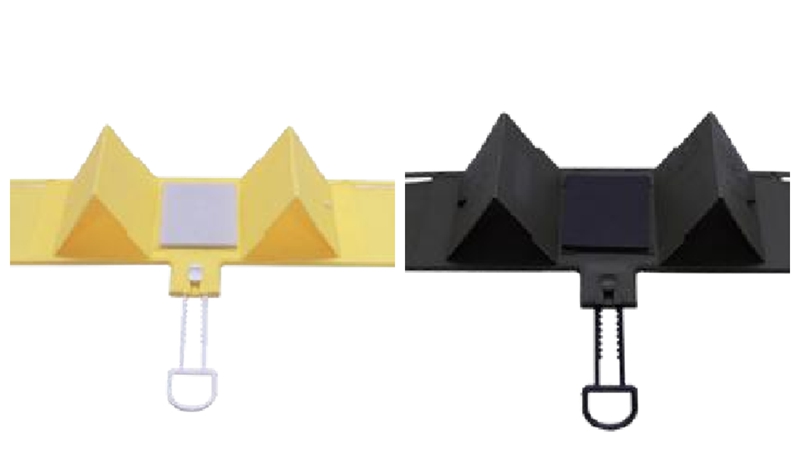
A head immobilizer is the pair of contoured blocks and straps that locks a patient's head in neutral alignment once they are strapped to a long spine board. The board controls the torso; the head immobilizer controls the part that does the most damage if it moves. In a suspected cervical injury, even a few millimeters of flexion or rotation at C1–C2 can turn a stable fracture into a catastrophe, so the device exists to stop motion, not to treat it.
Most units are built around two lateral blocks (one either side of the skull), an occipital support that cradles the back of the head, and a set of strags or a baseplate that anchors everything to the board. Tianzuo Medical's TW9005-series head immobilizer is designed for both pre-hospital and in-hospital emergencies, which is the dual-use profile most procurement leads actually need from a single SKU.
Where It Fits in Spinal Motion Restriction
Worth stating plainly: modern EMS has moved away from routine long-backboarding for everyone with neck pain. Protocols now favor selective spinal motion restriction. But when restriction is indicated, the cervical collar plus a head immobilizer on a board remains the standard combination for extrication and transport.
So when you are specifying stock, think of the head immobilizer as part of a small system — collar, board, and immobilizer — rather than a standalone gadget. A distributor quoting a fire department or an ER will sell more convincingly when the immobilizer is presented alongside compatible collars and splints, because that is how the end user actually runs a call.
Reusable vs Disposable: The First Decision
This is usually where the budget conversation starts, and it should. Disposable foam units are cheap per call and eliminate decontamination labor, which appeals to high-turnover settings and mass-casualty kits. Reusable systems cost more up front but drop the per-patient cost dramatically once you are past a few dozen uses, and they generate far less waste.
For a hospital trauma bay or a busy municipal EMS service, reusable is almost always the lower total cost of ownership. For tactical, wilderness, or event-medicine kits where cleaning is impractical, disposable wins. Tianzuo's TW9005-series sits in the reusable camp and is built for repeated clinical use, which is the right default for most institutional buyers.
Key Features to Check Before You Buy
Do not shop on price alone. The features that separate a usable immobilizer from a frustrating one:
Radiolucency. If the unit blocks X-ray or CT, radiology has to remove it mid-scan, defeating the purpose. Confirm imaging compatibility before you commit.
Strap quality and adjustment range. Straps fail first. Look for wide, low-stretch webbing with a range that covers both adult and smaller patients.
Baseplate compatibility. The immobilizer must physically clip or strap to the spine boards you already own. Universal baseplates save you from buying a matching board.
Cleaning profile. Smooth, sealed surfaces wipe down faster than textured foam and survive more disinfection cycles.
These are the points your end users will complain about if you get them wrong, so they are also the points worth emphasizing in your own sales copy.
Sizing, Compatibility, and Application Speed
Head size varies more than people expect, and a one-size block that fits a 95th-percentile adult will not cradle a small patient. Check the manufacturer's stated fit range, and confirm the occipital support adjusts rather than assuming a fixed angle.
Application speed matters under load. A design a single rescuer can apply in under a minute is worth real money on a busy scene. When you evaluate a sample, time it with one person and no audience — that is the honest number.
Common Buying Mistakes to Avoid
The recurring errors we see in tender specs: buying immobilizers without checking board compatibility, specifying disposable for a high-volume service (the waste and recurring cost balloon), and forgetting that straps are consumables that need a replacement path. A good supplier will flag all three instead of just shipping what you asked for. That consultative step is part of why working with a manufacturer directly, rather than a generic trading company, tends to produce a cleaner stocking list.
A Quick Field Checklist for Your Team
Once you have the right unit, application discipline decides whether it works. The sequence your trainees should internalize: apply the cervical collar first, then log-roll or slide the patient onto the board, place the two lateral blocks so the skull sits centered with the occipital support cradling the base of the skull, and only then secure the straps from board to block. Re-check that the head does not shift when you tug gently, and confirm the airway and breathing remain unobstructed. A common failure is tightening the straps before the blocks are seated, which lets the head list to one side. Walk new staff through this on a manikin before they see a real trauma, and the per-call time drops fast.
Related Products
TW9005-Series Medical Head Immobilizer— reusable head immobilizer for pre-hospital and in-hospital emergencies.View product →TW5002 Adjustable Cervical Support Collar— adult adjustable cervical collar, blue.View product →TW5001 Child Cervical Collar— mini-size pediatric neck protection, yellow.View product →TW5006 Military-Color Extrication Cervical Collar— military-green extrication collar.View product →TW6001 Inflatable Air Splints— first-aid limb immobilization for the same trauma kit.View product →
Why Partner With Tianzuo Medical
Xiamen Tianzuo Medical Co., Ltd. is a one-stop manufacturer integrating R&D, molding, and production — OEM and ODM are our forte, not an afterthought. Our immobilization line, like the rest of our catalog, is manufactured under ISO 13485:2016 quality management with CE marking and FDA-listed status, so distributor and tender documentation is straightforward.
For B2B buyers we support low MOQ, bulk-order pricing, private-label branding, and full export documentation (FOB/CIF/DDP). Whether you are a distributor building a spinal-care kit, a hospital procurement lead specifying trauma-bay stock, or an EMS service tendering fleet equipment, we can match volumes and lead times to your rollout.
Have a spec sheet or a target landed cost? Email Stephen@tzmed.com or contact tianzuomedical and our team will turn it around with a quote and lead time.
Frequently Asked Questions
What is the difference between a head immobilizer and a cervical collar?
A cervical collar limits motion at the neck itself, while a head immobilizer secures the skull to a spine board to prevent movement of the whole head-and-neck unit. They are used together, not as substitutes.
Are reusable head immobilizers worth the cost versus disposable ones?
For high-volume hospital or EMS use, reusable units have a far lower cost per patient once you pass a few dozen uses, and they cut waste. Disposables make sense for kits where cleaning is impractical.
How do I know if a head immobilizer is compatible with my spine board?
Check whether the unit uses a universal baseplate or clips designed for a specific board brand. Universal baseplates attach to most standard long boards; always confirm before a bulk order.
What certifications should a head immobilizer have for EMS or hospital use?
At minimum, source from a manufacturer operating under ISO 13485 quality management with CE marking; FDA listing matters for the US market. Tianzuo Medical meets all three across its immobilization line.
Can one head immobilizer fit both adult and pediatric patients?
Many reusable units cover a wide head-size range through adjustable occipital support and straps, but verify the stated fit range. For very small patients, pair the immobilizer with a dedicated pediatric collar such as our TW5001.