manual resuscitator manufacturer

manual resuscitator

  • How to Choose a Manual Resuscitator (BVM): A Practical Buying Guide for Clinics, Distributors, and First Responders
    How to Choose a Manual Resuscitator (BVM): A Practical Buying Guide for Clinics, Distributors, and First Responders
    Aug, 05 2026
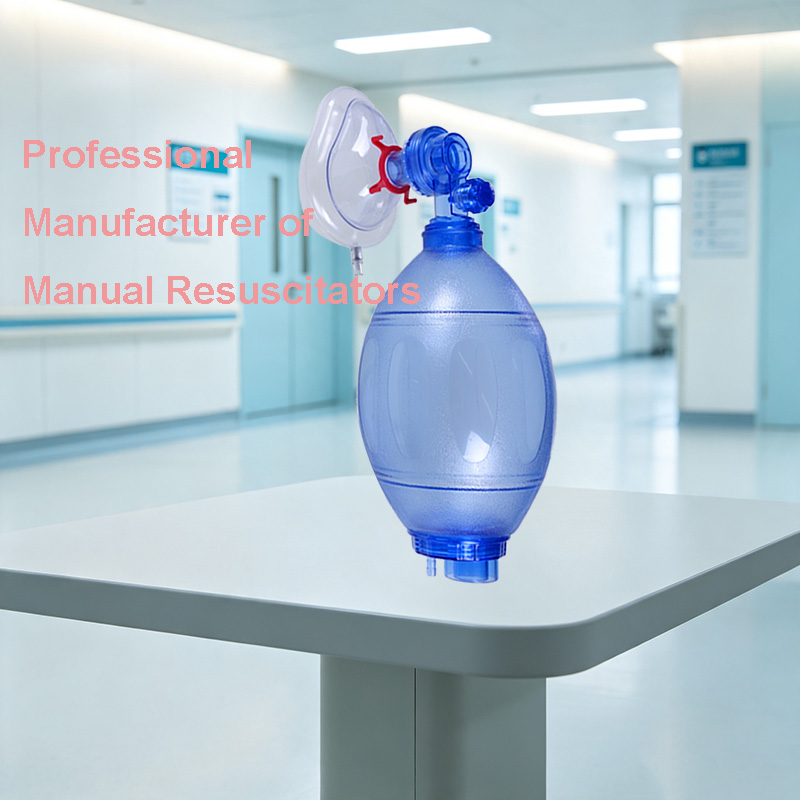
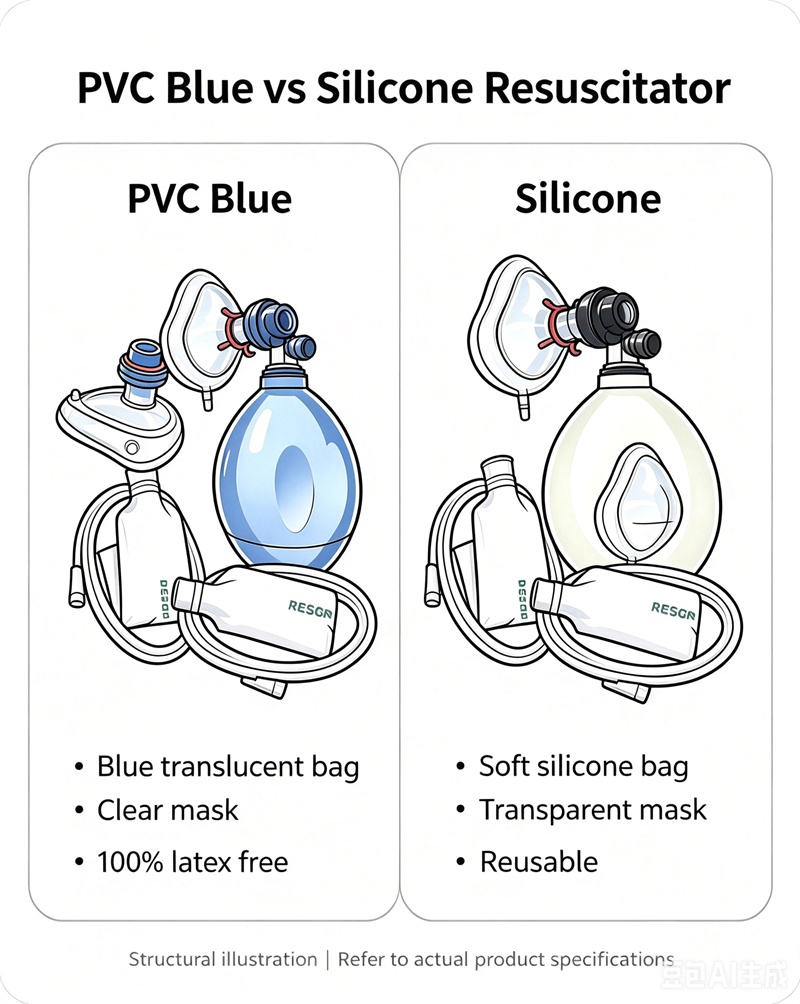
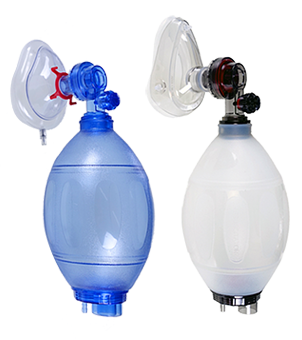
    Summary: A manual resuscitator—often called a BVM or Ambu bag—is the fallback device that keeps a patient breathing when a ventilator isn't available. This guide walks procurement managers, distributors, and clinical buyers through the three core material choices (PVC, silicone, SEBS), how to size bags for neonate through adult patients, the specifications that actually matter on the spec sheet, and when single-use beats reusable. We also cover how to vet an OEM/ODM manufacturer so your order meets ISO 13485, CE, and FDA expectations. What a Manual Resuscitator Does—and Why It's Still Essential Electric ventilators do the heavy lifting in the ICU, but they fail exactly when you can least afford it: during a power cut, a transfer down the corridor, or the first three minutes of a cardiac arrest in the field. A manual resuscitator is the hand-squeezed bag that bridges those gaps. Squeeze the self-inflating bag and a one-way patient valve pushes air—or oxygen from the reservoir—into the lungs; release it and the bag refills, ready for the next breath. Because it needs no power, no software, and almost no training to operate at a basic level, the BVM stays on every ambulance, outside every operating theatre, and inside every crash cart. If you are buying for a hospital, a distributor, or a government tender, the device you choose has to perform the same way on attempt 500 as on attempt one. PVC, Silicone, or SEBS: Picking the Right Material This is the first real decision, and it shapes cost, cleaning, and shelf life. PVC (single-use): The workhorse for EMS and high-turnover settings. PVC bags are economical, 100% latex-free, and disposed after one patient, which removes cross-infection risk. Our TW8311 adult PVC resuscitator, for example, ships with a built-in pressure-limiting valve and a 2,000 ml reservoir bag. Silicone (reusable): Supple, autoclavable, and built to survive thousands of cycles. Silicone keeps its elasticity after repeated disinfection, so it is the default for theatres and training programs. The trade-off is a higher unit price and a validated reprocessing step. SEBS (single-use, cold-resistant): A thermoplastic elastomer that stays flexible in low temperatures and is more environmentally friendly than standard PVC. It is a strong pick for pre-hospital kits in cold climates. A useful rule: if your protocol is "one patient, one device," PVC or SEBS wins; if you are ventilating the same bag across a shift or a semester, silicone pays for itself. Sizing the Bag: Neonate to Adult Ventilation volume has to match the patient. Over-bagging an infant causes barotrauma; under-bagging an adult wastes the effort. Standard ranges from our technical sheet: Neonate (0#): ~250 ml bag volume Infant (1#): ~340 ml Pediatric (2#): ~680 ml Adult (4#): ~1,630 ml Stock the sizes your population actually needs. A mixed emergency department usually carries adult, pediatric, and infant sets with matching masks; a neonatal unit narrows to 0# and 1#. Color-coded masks cut hand-off errors when seconds count. Spec Sheet Checkpoints That Matter Before you place a bulk order, line up suppliers on these points: Pressure-limiting valve: 40 cmH₂O for pediatric/infant, 60 cmH₂O for adult—prevents over-inflation. Dead space: Lower is better; our patient valve sits at ~7 ml. Resistance: Inspiratory and expiratory resistance under 5 cmH₂O keeps fatigue down during long cases. Connectors: Standard 15 mm / 22 mm fittings so the bag works with your masks and circuits. Reservoir and PEEP readiness: A reservoir bag (1,600–2,000 ml) and an optional PEEP port protect oxygenation when it counts. Single-Use vs. Reusable: Matching Workflow Single-use bags simplify infection control and need no reprocessing line—ideal for distributors serving EMS and disaster-response stockpiles. Reusable silicone suits facilities with validated cleaning and a steady case load. Most buyers end up with a mix, and that is fine. Related Products Adult Silicone Manual Resuscitator (TW8111)— reusable, autoclavable, 1,630 ml.View product →Adult PVC Manual Resuscitator / Ambu Bag (TW8311)— single-use, 100% latex-free.View product →Adult SEBS Manual Resuscitator (TW8211)— cold-resistant, eco-friendly single use.View product →PVC Anesthesia Masks with Ultra Soft Cushion (TW8374)— pair with any BVM circuit.View product →Resuscitation Mask with One-Way Valve (TW8342)— CPR and emergency ventilation.View product → Why Partner With Tianzuo Medical Xiamen Tianzuo Medical Co., Ltd. is a one-stop manufacturer integrating R&D, molding, and production under one roof—OEM and ODM are our forte. We hold ISO 13485:2016, with CE and FDA-listed products, and our team actually drafted the *Guidelines for the Technical Review of Manual Resuscitator Registration* in China. That engineering depth shows up in details distributors care about: consistent bag rebound, clean valve design, and color-coded sizing that reduces clinical error. For procurement teams and wholesalers, we support private-label branding, flexible MOQs, and documentation packs (IFU, labeling, traceability) that satisfy tenders across Europe, the Middle East, and Asia. If you are building or refreshing a resuscitation product line, contact our experts for a quote and sample kit, or email Stephen@tzmed.com directly. Frequently Asked Questions What is the difference between a manual resuscitator and a ventilator? A ventilator is powered and automated; a manual resuscitator is hand-squeezed and needs no power, making it the backup and first-response device. Is a silicone or PVC resuscitator better? Neither is universally better. PVC and SEBS suit single-use, high-turnover settings; silicone suits reusable, multi-patient workflows where cleaning is validated. What size manual resuscitator do I need for an adult? Typically a 4# adult bag around 1,500–1,630 ml with a 60 cmH₂O pressure-limiting valve and a matching adult mask. Can Tianzuo Medical produce manual resuscitators under our brand? Yes. We provide OEM/ODM services including molding, branding, and compliant documentation for international tenders. Are your manual resuscitators latex-free and certified? All our resuscitators are 100% latex-free and manufactured under ISO 13485:2016, with CE and FDA listing where applicable. Published by Tianzuo Medical · tianzuomedical.com · Emergency, Anesthesia & Respiratory products since 2011.

  • Disposable PVC vs. Reusable Silicone Ambu Bags: A Sourcing Cost-Benefit Analysis
    Disposable PVC vs. Reusable Silicone Ambu Bags: A Sourcing Cost-Benefit Analysis
    Jul, 23 2026
    When a distributor plans an emergency respiratory catalog, the Ambu bag (manual resuscitator) is rarely the flashiest line item. It is one of the most reordered. Two material paths dominate the category: single-use PVC and reusable silicone. The better choice isn't obvious, and it shifts depending on who buys the device and how they actually use it. PVC bags are cheap to make and cheaper to ship. A distributor can land a container of disposable units at a price that wins tender bids, particularly for EMS, first-response kits, and outbreak stockpiles where cross-contamination risk outweighs reuse economics. The catch shows up on the balance sheet later. Throwaway units mean repeat purchasing, and in markets with waste-disposal fees the lifetime cost climbs. Silicone changes the math. A reusable bag costs more up front, often three to five times a PVC unit, but it survives autoclaving and hundreds of patient cycles. For hospitals running steady ICU or OR volume, the per-use cost drops sharply after the first dozen uses. TIANZUO MEDICAL builds its silicone resuscitator line with medical-grade autoclavable material and color-coded sizes, which helps distributors serve clinical buyers who weigh total cost of ownership instead of sticker price. Most distributors we talk to don't pick one format. They split the catalog. XIAMEN TIANZUO supports both routes under private label, so a single supplier relationship covers disaster-preparedness tenders (PVC) and hospital reuse programs (silicone) without juggling two factories. Region shapes demand too. Public hospitals in the Middle East and parts of Asia still favor reusable silicone because sterilization infrastructure is mature and budgets reward durability. North American EMS and European pre-hospital services lean disposable, pushed by infection-control protocols and liability concerns. TIANZUO MEDICAL sees both patterns and can advise on the SKU mix that fits your market. We'd rather help you stock what sells than push volume you'll discount later. One practical way to frame it for buyers: PVC suits high-turnover, low-control environments where you can't guarantee sterilization. Silicone suits settings with trained staff and autoclaves, where the same bag will see hundreds of uses. Pitching the wrong one wastes a sales call. TIANZUO MEDICAL keeps both in stock so you can match the device to the customer instead of forcing a one-size answer. A few sourcing checks worth doing before you quote: Confirm valve and reservoir compatibility. Some buyers need PEEP valves or pediatric adapters, and that changes which SKU you offer. For silicone, ask for autoclave cycle-count data, not just a "reusable" label. For PVC, verify latex-free claims if you sell into allergy-sensitive regions.   TIANZUO has shipped both formats to distributors across Europe, the Middle East, and Southeast Asia, with CE documentation and MOQ flexibility for mixed container loads. If you're building or refining an emergency-airway category, ask our team for a sample set covering both materials. It's the quickest way to learn which your customers actually reorder.
  • We Make Emergency Gear So You Don’t Have to Think About It
    We Make Emergency Gear So You Don’t Have to Think About It
    Jun, 23 2026
    Here’s something you don’t hear often in medical device marketing: most of our products are boring. And we mean that as a compliment. When an EMT reaches for a manual resuscitator at 2 AM, they don’t want excitement. They don’t want to admire the design. They want the damn thing to work. Same goes for anesthesia masks, cervical collars, air splints, CPR pocket masks — all of it. Nobody buys this stuff for fun. They buy it because they need it to do one job, every single time. That’s where we come in. Who’s “We”? We’re Tianzuo Medical been around since 2011. Over 100 employees. Based in Xiamen, Fujian. ISO 13485:2016 certified, CE marked, FDA registered. But that’s just the formal stuff. We also happen to be the drafting entity for China’s technical review guidelines for manual resuscitator registration. Meaning: we don’t just follow industry rules — we help write them. What We Actually Make Our product line isn’t huge. We don’t do everything. We focus on three areas: Category What That Means Emergency Manual resuscitators (Ambu bags, BVMs), CPR pocket masks, anti-choking devices, extrication collars, inflatable air splints Anesthesia PVC and silicone anesthesia masks, breathing circuits Respiratory Nebulizers, oxygen masks, related disposables   Nothing flashy. Just the stuff clinicians grab when they need to stabilize, ventilate, or immobilize — fast.   Why We’re Not a Random Supplier If you’ve been sourcing from China for a while, you’ve probably had this experience: “The sample was great. The bulk order wasn’t.” We’ve heard that from too many buyers. So we built our operation differently. In-house everything. Injection molding, blow molding, silicone processing, printing, engraving — it’s all under one roof. No subcontracting to some workshop you’ll never visit. On-site mold-making. CNC machining centers, EDM, wire-cutting. If a mold needs tweaking, we do it ourselves — not after a three-week back-and-forth with a third party.  Dedicated manufacturing arm. Our subsidiary, Xiamen Dahton Meditech, handles OEM and ODM work. Same quality system. Same standards. Just separate teams so production and custom projects don’t interfere with each other. One Thing We’ve Learned (The Hard Way) We’ve been at this since 2011. Over the years, we’ve seen what fails in the field: Air splints that lose pressure because the seam welding wasn’t strong enough Cervical collars that don’t stay closed because the Velcro gives up after a few uses Ambu bags that don’t refill properly because the inlet valve gets stuck We fixed those on our end — not by adding features, but by paying attention to the small stuff. Stronger seams. Better zippers. Valves that actually seal. None of these are “innovations.” They’re just things that should have been done right from the start. If You’re a Buyer, Here’s What Matters Skip the marketing fluff. Ask your supplier: What’s your seam welding process? How do you test air retention on splints? Can you trace a batch back to specific production records? If they hesitate, you’ve got your answer. We don’t hesitate. Our documentation is ready, our production records are traceable, and our quality team actually tests — not just spot-checks Final Thought We don’t make the most exciting medical devices in the world. But when a paramedic uses our BVM at 3 AM, or a nurse grabs one of our anesthesia masks for an emergency intubation — we want that tool to be the last thing they have to worry about. That’s the whole point.   Product range: Manual resuscitators (Ambu bag, BVM), CPR pocket masks, anesthesia masks (PVC & silicone), cervical collars, inflatable air splints, anti-choking devices, nebulizers. Certifications: ISO 13485:2016, CE (MDD/MDR), FDA registered. Contact: Reach out through the website, or connect with our international trade team via Xiamen Winner Trade — they handle all export inquiries.
  • Tianzuo Medical: Your Trusted Partner for Emergency & Respiratory Solutions | ISO 13485 & FDA Registered
    Tianzuo Medical: Your Trusted Partner for Emergency & Respiratory Solutions | ISO 13485 & FDA Registered
    May, 22 2026
    Tianzuo Medical: Engineering Reliability for Global Healthcare   1. Introduction: More Than Just a Manufacturer In the fast-paced world of global healthcare, reliability isn't optional—it's the foundation of trust. At Tianzuo Medical, we understand that every second counts in emergency and respiratory care. For years, we have been dedicated to bridging the gap between clinical necessity and innovative engineering. Unlike generic suppliers, we focus on delivering durable, safe, and compliant medical solutions tailored for both clinical settings and homecare environments.   2. Solving Critical Challenges in Emergency Medicine The landscape of emergency care is evolving. Medical professionals today demand equipment that is not only effective but also easy to use and maintain. We recognized early on that standard first aid kits often lack the robustness required for pre-hospital scenarios. That’s why we channel our expertise into developing high-performance manual resuscitators, anesthesia masks, and immobilization devices. Whether it’s a high-stress ambulance response or a routine home nebulization therapy, our products are engineered to perform consistently under pressure. We don't just sell devices; we provide peace of mind during critical moments.     The Pillars of Our Excellence   1. Innovation Rooted in StandardsWhat sets us apart is our active role in shaping industry regulations. As a drafting enterprise for China’s Technical Review Guidelines for Manual Resuscitator Registration, our R&D team doesn't just follow standards—we help define them. This deep involvement ensures that our designs are always ahead of the curve, incorporating the latest clinical feedback and technological advancements to reduce the risk of device failure.   2. Uncompromising Quality ControlQuality is non-negotiable in our facility. We operate under the strict ISO 13485:2016 quality management system, ensuring that every component meets the rigorous demands of international markets. Global Compliance: Our products are certified to meet EU MDD 93/42/EEC requirements, ensuring they are market-ready across Europe. US Market Access: With FDA registration, we guarantee that our devices adhere to the safety and performance standards expected by American healthcare providers. In-House Capabilities: From mold design to final assembly, maintaining in-house control allows us to monitor quality at every single touchpoint.   3. Flexible Manufacturing & PartnershipWe believe in building partnerships, not just processing orders. Our advanced production lines are equipped to handle both high-volume output and specialized requests. OEM/ODM Services: Whether you need a custom-branded anesthesia mask or a unique immobilization solution, our team offers flexible OEM and ODM services. Scalability: With well-equipped facilities, we can scale production to meet your specific market demands without compromising on delivery timelines.   Conclusion: A Promise of Partnership At Tianzuo Medical, our mission extends beyond manufacturing. We are committed to a culture of responsibility and innovation. By choosing us, you’re not just sourcing products; you’re gaining a partner who is equally invested in making emergency care safer and more accessible worldwide. Let’s build a healthier future together.  
  • What Is a Manual Resuscitator? A Complete Guide for Healthcare Professionals
    What Is a Manual Resuscitator? A Complete Guide for Healthcare Professionals
    Feb, 11 2026
    The manual resuscitator, also known as a Bag-Valve-Mask (BVM) or Ambu bag, is a critical tool for providing ventilatory support in various medical emergencies. Its primary function is to deliver positive pressure ventilation to patients who are not breathing adequately or at all, thereby maintaining oxygenation and preventing hypoxia.   Structure and Components A typical manual resuscitator consists of several key components: · Self-inflating bag: This is the compressible part that the rescuer squeezes to deliver air. It automatically reinflates after each compression, drawing in ambient air or oxygen from an attached source. · Patient valve: This valve directs the airflow towards the patient during compression and away from the patient (allowing exhalation to ambient air) during bag re-expansion. · Face mask: Designed to create a tight seal over the patient's nose and mouth, ensuring efficient delivery of air. Various sizes are available for adults, children, and infants. · Oxygen reservoir: An optional but highly recommended attachment that significantly increases the inspired oxygen concentration by collecting and storing oxygen between breaths. · Oxygen inlet: Connects the resuscitator to an external oxygen source, such as an oxygen cylinder or wall outlet.   Mechanism of Action When the self-inflating bag is compressed, positive pressure forces air (or an oxygen-enriched mixture) through the patient valve and into the patient's lungs. Upon release, the bag reinflates, and the patient valve allows exhaled air to escape into the atmosphere, preventing rebreathing of carbon dioxide. The rhythmic compression and release of the bag mimic natural breathing, providing essential gas exchange.   Indications for Use Manual resuscitators are indispensable in a wide range of medical scenarios, including: · Cardiac arrest: To provide immediate ventilatory support during cardiopulmonary resuscitation (CPR). · Respiratory arrest: When a patient stops breathing due to drug overdose, trauma, or other causes. · Severe respiratory distress: In conditions like asthma attacks, anaphylaxis, or pneumonia, where patients struggle to breathe effectively. · Apnea: Periods of absent breathing, common in infants and during certain medical procedures. · Planned ventilatory support: During intubation procedures or short-term transport of ventilated patients.   Advantages · Portability and immediate availability: Manual resuscitators are compact and do not require an external power source, making them ideal for pre-hospital care and emergency situations. · Versatility: Adaptable for use across all age groups with appropriate mask sizes. · Cost-effectiveness: Relatively inexpensive compared to mechanical ventilators. · Simplicity of operation: Can be quickly deployed and used by trained personnel.   Disadvantages and Considerations · Risk of gastric inflation: Excessive ventilation pressure or improper mask seal can force air into the stomach, potentially leading to vomiting and aspiration. · Fatigue: Prolonged manual ventilation can be physically tiring for the rescuer, potentially leading to inconsistent ventilation. · Skill-dependent: Effective use requires proper training to ensure adequate mask seal, correct ventilation rate, and appropriate tidal volume. · Infection control: Reusable bags and masks require thorough cleaning and sterilization to prevent cross-contamination.   Best Practices · Always ensure a proper mask seal to maximize ventilation efficiency. · Ventilate at the appropriate rate and tidal volume for the patient's age and condition, observing chest rise. · Utilize an oxygen reservoir and connect to an oxygen source whenever available to deliver high concentrations of oxygen. · Consider using an oral or nasopharyngeal airway to maintain airway patency, especially in unconscious patients. · Monitor the patient's response, including oxygen saturation and chest auscultation. The manual resuscitator remains a cornerstone of emergency medical care, providing a life-saving bridge for patients requiring immediate ventilatory assistance. Its effective deployment relies on proper training, diligent practice, and adherence to established guidelines.
Sign Up To Get The Latest updates

Please read on, stay posted, subscribe and we welcome you to tell us what you think

leave a message

leave a message
Ready to scale your medical business? Click here to get a free quote & catalog!
submit

Home

Products

WhatsApp

contact

Tell us your requirements (e.g., Quantity, Destination Port)
leave a message
Ready to scale your medical business? Click here to get a free quote & catalog!
Submit