How to Use a Three-Ball Spirometer: A Practical Guide for Post-Surgery Breathing Recovery
Sep, 22 2026
In this article
A three-ball spirometer is an incentive breathing trainer that gives patients visual feedback as they inhale, helping prevent post-surgical lung complications like atelectasis and pneumonia. This guide covers how it works, the correct step-by-step technique, one-ball vs three-ball options, and what to look for when sourcing spirometers for hospitals, clinics, or distribution.
What Is a Three-Ball Spirometer and How Does It Work?
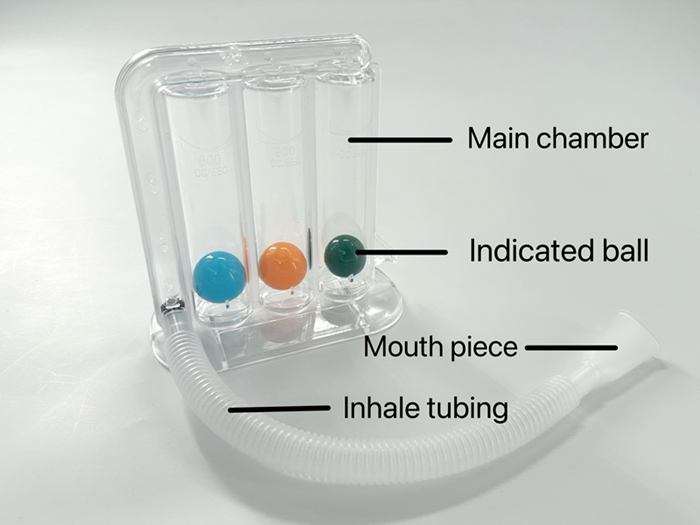
A three-ball spirometer — sometimes called an incentive spirometer or breathing exerciser — is a simple, non-powered device that turns a deep breath into something a patient can actually see. Inside three clear chambers sit three lightweight balls. When the user seals their lips on the mouthpiece and inhales slowly and steadily, the airflow lifts the balls. The deeper and more controlled the breath, the higher the balls rise. Each chamber is set to a progressively higher inspiratory target, so the patient gets immediate visual proof that they are filling their lungs.
Tianzuo Medical supplies two versions of this trainer: the TW1813 three-ball spirometer and the TW1811 one-ball spirometer. The one-ball model is the simpler option for basic incentive breathing, while the three-ball version gives graded feedback that many physiotherapists prefer for thoracic and abdominal surgery recovery.
Why Incentive Spirometry Matters After Surgery
After general anaesthesia or any chest, abdominal, or major surgery, patients tend to take shallow breaths. Pain, sedation, and immobility all reduce lung volume, and the small air sacs (alveoli) at the base of the lungs can partly collapse — a condition called atelectasis. Left unchecked, that raises the risk of chest infection and slows recovery.
Incentive spirometry fights this by coaching the patient to take slow, maximal inhalations several times an hour. The visual target turns a boring exercise into a small achievement, which is exactly why compliance is higher than with "just breathe deeply" instructions. It is also used in COPD management and for patients on prolonged bed rest, where lung expansion needs active support.
How to Use a Three-Ball Spirometer: Step by Step
The technique is straightforward, but small details matter:
Sit upright in a comfortable chair or in bed with the head and shoulders raised. Hold the device vertically so the chambers are level.
Connect the tubing and mouthpiece if they are separate, then seal your lips firmly around the mouthpiece — no air should leak out the sides.
Breathe out normally to empty the lungs.
Inhale slowly and evenly through the mouthpiece. Aim for a steady two-to-three-second breath so the balls rise smoothly rather than snapping to the top.
Try to hold the balls at the top for three to five seconds, then relax and exhale.
Repeat for about 10 to 15 breaths, resting between sets. Most protocols suggest a session every one to two hours while awake.
If you have a chest or abdominal incision, hugging a pillow against the wound while inhaling eases the pull on the stitches. Stop and return to normal breathing if you feel dizzy.
One-Ball vs Three-Ball: Which Should You Stock?
For procurement teams and distributors, the choice comes down to use case and budget. The one-ball spirometer (TW1811) is inexpensive, intuitive, and well suited to general wards, homecare after minor procedures, and high-volume tender kits where cost per unit matters. The three-ball spirometer (TW1813) adds graded targets that help clinicians track progress and motivate patients during longer recovery, making it popular in thoracic, cardiac, and major abdominal units.
Both are single-patient devices and pair naturally with other respiratory consumables — nebulizer kits for airway humidification, oxygen masks and nasal cannulas for supplemental therapy, and resuscitation masks for emergency readiness on the same ward.
Common Mistakes to Avoid
A few habits undermine the exercise. Inhaling too fast makes the balls slam to the top with little real lung expansion — slow and controlled wins. Inhaling through the nose instead of sealing the mouthpiece dumps the effort and gives false feedback. Sharing a unit between patients is a cross-infection risk and should never happen; these trainers are meant for one user only. Finally, do not chase the top mark to the point of lightheadedness — steady progress beats a heroic single breath.
Care, Cleaning, and Single-User Hygiene
The mouthpiece and any detachable tubing should be rinsed in warm soapy water daily, then rinsed clear and left to air dry. The main chamber is generally wiped rather than submerged. Because moisture and saliva collect at the mouthpiece, the device should stay with one patient for its whole use and be discarded rather than passed on. For facilities, that means planning single-use allocation into the consumable budget.
Sourcing Spirometers for Clinics, Hospitals, and Distributors
When you buy spirometers in volume, consistency and documentation matter as much as price. Look for a manufacturer that holds ISO 13485:2016 quality management, carries CE and FDA listings, and supports OEM/ODM and private-label packaging so the unit fits your brand or tender specification. Low minimum order quantities (MOQ) and stable lead times let distributors test a SKU before committing to a full container.
Tianzuo Medical builds both the one-ball and three-ball trainers in-house and ships them worldwide with the export documentation EMS, hospital, and clinic buyers expect.
Related Products
TW1813 Three-Ball Spirometer— graded three-chamber incentive breathing trainer.View product →TW1811 One-Ball Spirometer— simple single-chamber version for wards and homecare.View product →TW8345 Nebulizer Kit with Mask & Tubing— airway humidification consumable.View product →TW8344 Medical PVC Oxygen Mask with Tubing— supplemental oxygen delivery.View product →TW8601 Medical PVC Nasal Oxygen Cannula— low-flow oxygen therapy.View product →
Why Partner With Tianzuo Medical
Xiamen Tianzuo Medical is a one-stop manufacturer integrating R&D, molding, and production of emergency, anesthesia, and respiratory consumables for pre-hospital, in-hospital, and homecare markets. If you are a distributor, hospital procurement lead, or EMS buyer, partnering with us means direct factory pricing, flexible OEM and ODM private-label options, and low MOQs that let you validate a SKU before a full container order.
Our quality system is built on ISO 13485:2016, and our products carry CE and FDA listings, with the export documentation (FOB/CIF/DDP) that tenders and cross-border buyers require. Whether you need breathing trainers, oxygen therapy sets, or crash-cart essentials, we supply a coherent respiratory range from a single source.
Ready to discuss volumes, branding, or a sample order? Contact our team at https://www.tianzuomedical.com/contact-us or email Stephen@tzmed.com for a quote and lead-time sheet.
Frequently Asked Questions
What is the difference between a one-ball and three-ball spirometer?
A one-ball spirometer has a single chamber and gives a simple "ball up" target, while a three-ball version has three graded chambers so patients and clinicians can track progressively deeper breaths. Tianzuo offers both as TW1811 and TW1813.
How often should a patient use a three-ball spirometer after surgery?
Typical protocols call for 10–15 breaths every one to two hours while awake, holding each inhale for three to five seconds. Always follow the surgeon's or physiotherapist's specific instructions.
Can a three-ball spirometer be shared between patients?
No. It is a single-user device. Saliva and moisture collect at the mouthpiece, so sharing risks cross-infection; allocate one unit per patient and discard after use.
Is a three-ball spirometer the same as a peak flow meter?
No. A spirometer trains slow, deep inspiratory volume with visual feedback, while a peak flow meter measures the speed of a forced exhale and is used mainly in asthma monitoring.
Do Tianzuo spirometers support OEM and private-label orders?
Yes. Both the TW1811 and TW1813 are manufactured in-house and available for OEM/ODM, private-label packaging, and low-MOQ trial orders with CE, ISO 13485:2016, and FDA documentation.