Tourniquets in Emergency Care: Why They Are Essential and How to Choose the Right One
Jun, 11 2026
In life-threatening bleeding emergencies, every second counts. A tourniquet is one of the most effective tools to control severe limb bleeding and save lives when direct pressure alone is not enough. From pre-hospital care to first aid kits, understanding how tourniquets work, their types, and how to choose a reliable one is critical for medical professionals, first responders, and anyone building a first aid kit.
The Critical Role of Tourniquets in Bleeding Control
Severe limb bleeding can lead to shock and death in minutes. A tourniquet works by applying controlled pressure to the limb, compressing blood vessels to stop or slow blood flow. When used correctly, it can prevent life-threatening blood loss in situations like accidents, trauma, or emergency injuries where direct pressure is not effective.
Common Types of Tourniquets and Their Uses
There are two main types of tourniquets, each designed for different scenarios:
Type
Design & Features
Best For
Quick-Release Tourniquet (Snap Style)
Lightweight, simple plastic buckle design, easy to apply and release with one hand. Colorful options for quick identification.
Venous puncture, routine medical use, and light bleeding control in clinical settings.
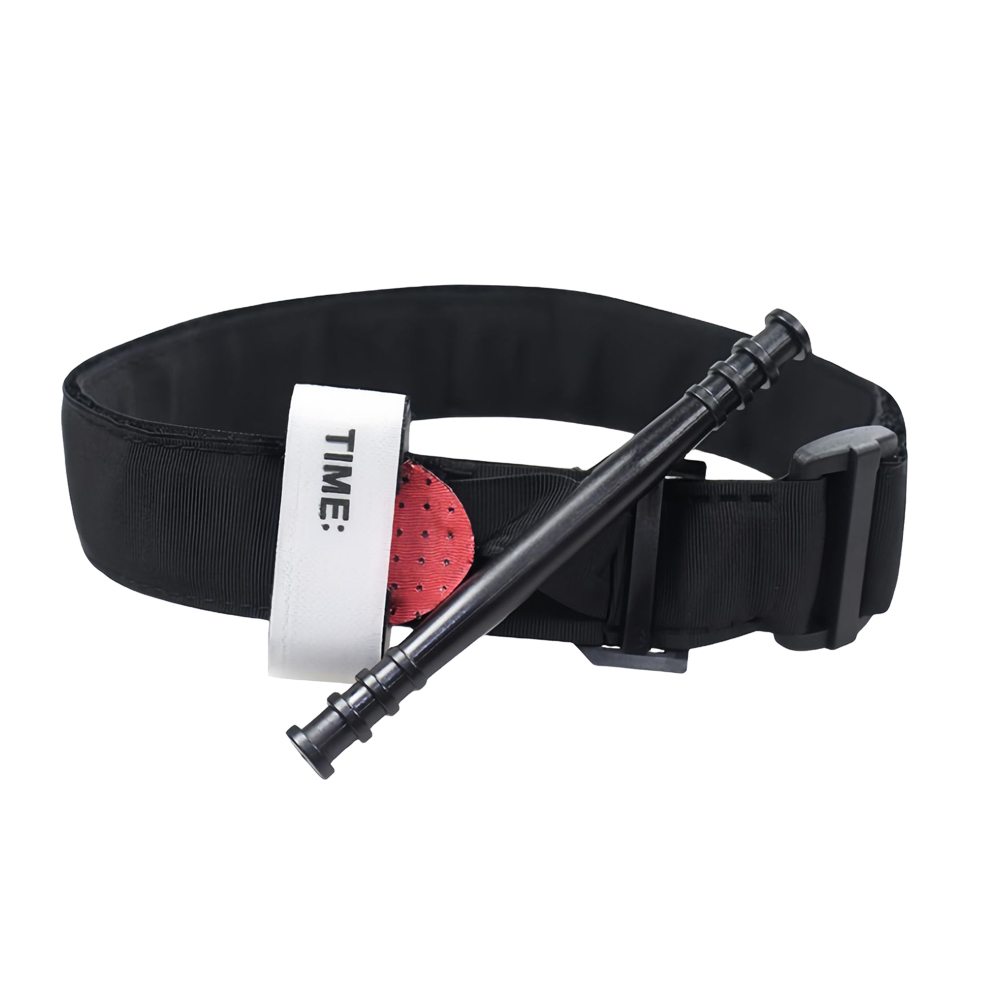
Combat Application Tourniquet (CAT Style)
Durable fabric strap with a windlass rod, designed for one-handed application and adjustable pressure. Includes a time marker to record application time.
Severe trauma, tactical first aid, emergency pre-hospital care, and high-risk bleeding control.
Key Features to Look for in a Reliable Tourniquet
When choosing tourniquets for your first aid kit, clinic, or emergency team, prioritize these features:
Fast, one-handed application: The ability to apply the tourniquet with one hand is essential for self-use or when helping others in critical situations.
Secure, non-slip pressure: The tourniquet must stay in place and maintain consistent pressure without slipping or loosening during transport or movement.
Durable materials: Medical-grade fabrics and sturdy buckles ensure the tourniquet works reliably in different environments, from cold to hot conditions.
Clear time marker: A visible time label helps medical teams know when the tourniquet was applied, supporting safe patient care.
Lightweight and portable: Compact design allows easy storage in first aid kits, backpacks, or emergency bags without adding bulk.
When and How to Use a Tourniquet Safely
Tourniquets are only for life-threatening limb bleeding that cannot be controlled with direct pressure. Follow these key steps:
1. Apply the tourniquet 2–3 inches above the bleeding site (avoid joints).
2. Twist the windlass (or fasten the buckle) until bleeding stops.
3. Secure the windlass in place and clearly mark the time of application.
4. Do not loosen or remove the tourniquet until you are with medical professionals. Proper training in tourniquet use is always recommended to ensure safe and effective application.
Why Choose Tianzuo Medical Tourniquets
Our tourniquets are designed to meet the demands of both routine clinical use and emergency trauma care:
• Multiple styles available, including quick-release snap models and combat-style tourniquets, to suit different scenarios.
• Made with durable, medical-grade materials for reliable performance in critical situations.
• Compact and easy to store, ideal for hospitals, clinics, first aid kits, and emergency teams worldwide.
• Designed for fast, intuitive use, even by users with limited training.
Conclusion
A tourniquet is more than just a piece of fabric or plastic—it is a life-saving tool that can make the difference between life and death in a severe bleeding emergency. By understanding the different types, key features, and safe use practices, you can choose the right tourniquet for your needs and be prepared to act quickly when it matters most. Whether for clinical use, tactical response, or everyday first aid, a reliable tourniquet is an essential part of any emergency preparedness plan.