

How Anti-Choking Devices Can Save Lives: A Guide for Every Household


Author
Experience the Xiamen Tianzuo Medical difference – where every product is a testament to our dedication to health and safety.
Tianzuo Medical


Choking is a silent, fast-moving emergency that can affect anyone—children, the elderly, and even healthy adults. When food or objects block the airway, every second counts. Traditional methods like back blows and abdominal thrusts require strength and proper technique, and they may not work for everyone. This is where an anti-choking device becomes a simple, reliable life-saving solution for every home, school, and workplace.
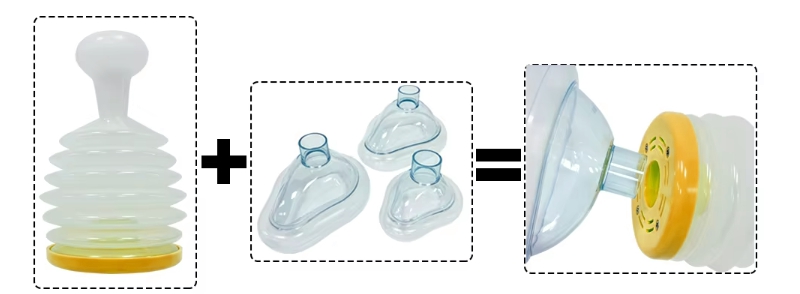
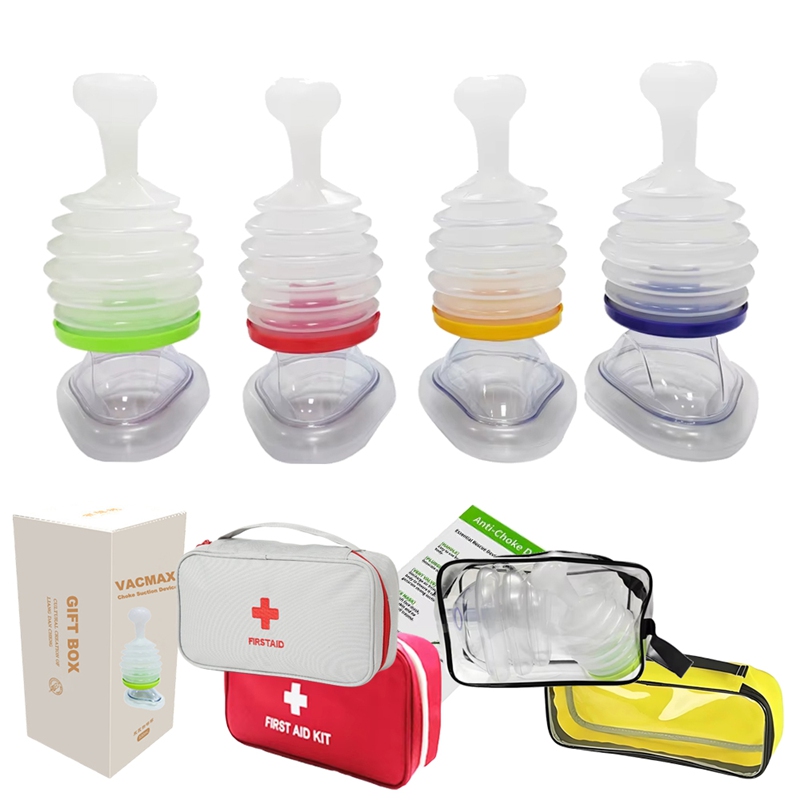
Why Choking Emergencies Need More Than First Aid Moves
Choking often happens unexpectedly: during meals, with small toys, or even while talking and laughing. Standard first aid steps like the Heimlich maneuver require precise force and training, and they can be difficult to perform on young children, older adults, or people with limited mobility. An anti-choking device is designed to solve these challenges, offering a safe, effective alternative that works without physical strain or advanced training.
How Our Anti-Choking Device Works
The anti-choking device creates controlled suction to remove airway obstructions safely and quickly.
Easy to Use by Anyone: No professional medical training is required. With simple, intuitive steps, even untrained users can operate it in an emergency.
Safe for All Ages: Suitable for both adults and children, it features a soft, flexible mask that fits comfortably over the nose and mouth without damaging facial tissue.
Effective Suction Technology: The pump-style design generates strong, steady negative pressure to pull out food, bones, or other foreign objects blocking the airway.
No Harmful Side Effects: Unlike aggressive first aid methods, the device does not require back blows, chest compressions, or invasive maneuvers, making it gentle on the patient’s body.
Step-by-Step: How to Use the Anti-Choking Device
Using the device takes just three simple steps:
1. Create a Seal: Place the mask firmly over the choking person’s nose and mouth to form a tight, air-tight fit.
2. Prepare the Suction: Press down on the pump handle to expel air from the device, ensuring no air is pushed into the patient’s airway.
3. Apply Suction: Pull the handle upward to create strong suction. This draws the obstruction out of the airway. If the object does not come out on the first try, repeat the process without removing the mask until help arrives.
Why Every Home Should Have an Anti-Choking Device
Choking can happen to anyone, anywhere. Having an anti-choking device on hand provides:
Peace of Mind for Families: Especially for households with young children or elderly family members, who are most at risk.
Reliability in Emergencies: The device works when other methods fail, giving you a safe, clear way to help someone before professional help arrives.
Ease of Storage: Compact and portable, it can be kept in kitchen drawers, first aid kits, or even taken on trips to restaurants or family gatherings.
Conclusion
When every second matters, the anti-choking device is more than just a tool—it’s a simple, effective safety net for choking emergencies. With its easy-to-use design, safe operation, and proven effectiveness, it empowers anyone to act confidently and save a life. Keeping one in your home, school, or workplace isn’t just preparation—it’s peace of mind for you and the people you care about.
- How to Choose an Endotracheal Tube: Cuffed vs Uncuffed and Size Selection for Buyers
- How to Choose a Tourniquet: Windlass vs Elastic Buckle for First-Aid Buyers
- CPR Mask vs Face Shield: Which First-Aid Item Should You Stock?
- How to Choose an Anesthesia Breathing Circuit: Circle vs Mapleson, Disposable vs Reusable
- How to Use a Three-Ball Spirometer: A Practical Guide for Post-Surgery Breathing Recovery
- How to Choose a Head Immobilizer: A B2B Buyer's Guide for EMS and Hospital Procurement
- High-Flow Nasal Cannula (HFNC): How It Works and When to Choose It Over a Standard Oxygen Mask
- Nasal Oxygen Cannula: The Quiet Workhorse of Oxygen Therapy (and How to Spec It Right)