Does an Ambu Bag Deliver 100% Oxygen? A Clinical Perspective for Healthcare Providers (With Procurement Insights)
Feb, 11 2026
For emergency medicine providers, anesthesiologists, paramedics, and respiratory therapists, the question “Does an Ambu bag (bag-valve mask, BVM) deliver 100% oxygen?” is far from theoretical—it directly impacts patient outcomes in life-threatening scenarios. The short answer: Yes, an Ambu bag can deliver nearly 100% oxygen, but only under specific conditions. Below, we break down the key variables, clinical scenarios, and technical considerations that determine oxygen concentration (FiO₂), with practical guidance for clinical practice and valuable insights for medical procurement teams.
Key Fundamentals: Ambu Bag Oxygen Delivery Mechanism
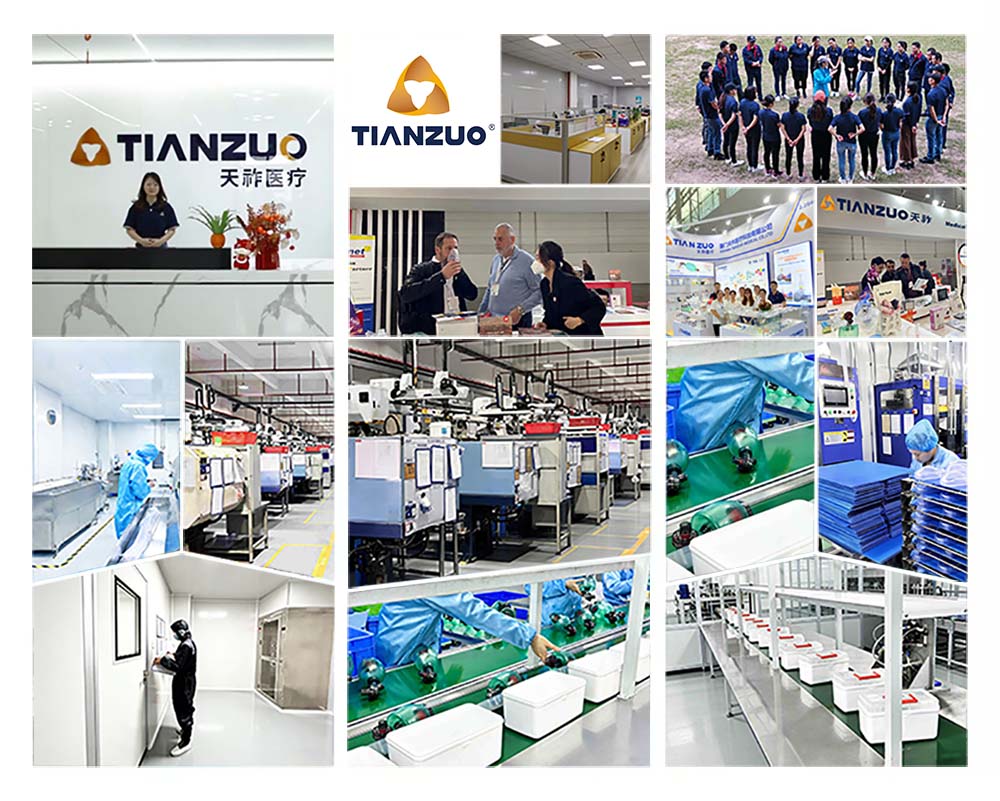
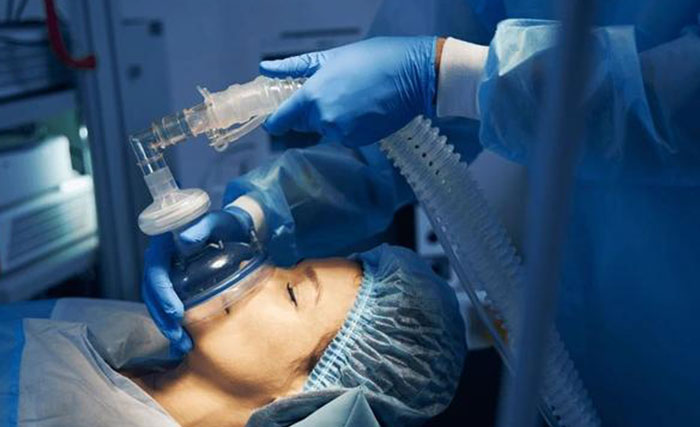
Tianzuomedical ambu bag is a core manual resuscitator for positive-pressure ventilation (PPV) in patients with inadequate or absent spontaneous breathing. Its ability to deliver 100% oxygen depends on two critical factors: the presence of an oxygen reservoir and the oxygen flow rate. Unlike mechanical ventilators, Ambu bag performance relies on proper setup, operator technique, and—for procurement teams—high-quality equipment design. These details directly determine whether maximum FiO₂ is achievable.
For medical procurement professionals, prioritizing Ambu bags with reliable one-way valves and compatible reservoirs is foundational—these features ensure the device can reach optimal oxygen delivery capacity in clinical use.
Scenario 1: Ambu Bag with Oxygen Reservoir (Standard Clinical Setup)
The standard configuration in acute care settings (EDs, ORs, ICUs) pairs an Ambu bag with a transparent, collapsible oxygen reservoir—this setup is designed to maximize FiO₂. For procurement teams, selecting Ambu bags with well-matched reservoirs is key to ensuring clinical teams can deliver near-100% oxygen.
Oxygen Delivery Details
• FiO₂ Range: 95–100% (near-pure oxygen), the gold standard for emergency resuscitation.
• Required Oxygen Flow Rate: 10–15 L/min (minimum 10 L/min to fully inflate the reservoir).
• Mechanism: The reservoir acts as a buffer, storing 100% oxygen from the flow meter. When the operator squeezes the main bag, the reservoir supplies pure oxygen, eliminating room air entrainment (which dilutes FiO₂) and ensuring consistent, high-concentration delivery.
Clinical Indications & Procurement Tips
This setup is mandatory for patients requiring high FiO₂, including:
• Cardiac arrest (per ACLS guidelines, 100% oxygen is recommended during resuscitation until ROSC).
• Severe respiratory failure (ARDS, severe pneumonia, COPD exacerbation with hypoxemia).
• Anesthesia induction/extubation (to maintain oxygenation during airway management).
Procurement Note: Choose Ambu bags with durable, leak-proof reservoirs—transparent designs allow clinical teams to visually confirm inflation, a critical check for oxygen delivery accuracy.
Scenario 2: Ambu Bag Without Oxygen Reservoir (Emergency-Only)
In rare cases—such as out-of-hospital cardiac arrest with limited equipment, or lost/damaged reservoirs—an Ambu bag may be used without a reservoir. This setup is suboptimal and only recommended as a last resort, a key consideration for both clinical teams and procurement professionals.
Oxygen Delivery Details
• FiO₂ Range: 80–85% (even at maximum 15 L/min flow rate).
• Mechanism: Without a reservoir, the Ambu bag draws in room air (20.9% oxygen) during recoil, diluting the delivered oxygen. Even with high flow rates, room air entrainment prevents FiO₂ from reaching 100%.
Clinical & Procurement Considerations
This setup should only be temporary (≤5–10 minutes) until a reservoir is available. For procurement teams, stocking spare reservoirs alongside Ambu bags is critical to avoid this suboptimal configuration in emergencies.
Scenario 3:Suboptimal Setup (Common Pitfalls)
Even with a reservoir, improper setup or low-quality equipment (a key procurement concern) can prevent 100% oxygen delivery. Below are common pitfalls and their solutions, relevant to both clinical practice and procurement:
1. Inadequate Oxygen Flow Rate
Flow rates <10 L/min (adults) fail to fully inflate the reservoir, reducing FiO₂ to 70–90%. For procurement teams, pairing Ambu bags with reliable flow meters ensures consistent flow—avoiding this common issue.
2. Poor Mask/Tube Seal
A small leak (e.g., improper mask fit, loose ETT adapter) dilutes FiO₂ by 10–20%. Clinical teams use the “EC clamp” technique for masks; procurement teams should prioritize Ambu bags with secure, adjustable connectors to minimize leaks.
3. Reservoir Kinking/Obstruction
Kinked or blocked reservoirs (often from low-quality materials) prevent oxygen storage. Procurement tip: Select Ambu bags with flexible, tear-resistant reservoirs to avoid this issue.
Scenario 4: Special Populations & Modified FiO₂
In some cases, clinical teams intentionally limit FiO₂ (even with a reservoir) to avoid oxygen toxicity—another factor that ties clinical practice to procurement decisions.
• COPD Patients: For those with chronic hypercapnia, high FiO₂ (≥80%) can suppress hypoxic drive, leading to CO₂ retention. Titrate FiO₂ to maintain SpO₂ 88–92%—procurement teams should note Ambu bags with adjustable flow compatibility support this titration.
• Neonates: Flow rates are reduced to 5–10 L/min (to avoid barotrauma), with FiO₂ titrated to 90–95%. Neonatal Ambu bags (a key procurement category) should be sized appropriately for small airways.
• Post-ROSC: After cardiac arrest, FiO₂ is weaned to ≥94% to reduce oxygen toxicity—Ambu bags with precise flow control (supported by quality procurement) facilitate this weaning.
Clinical & Procurement Takeaways
To answer the core question: An Ambu bag can deliver 100% oxygen, but only with a properly attached reservoir, 10–15 L/min flow rate (adults), a tight seal, and no equipment defects. For clinical providers, mastering setup and technique ensures optimal oxygen delivery. For procurement teams, selecting high-quality Ambu bags—with durable reservoirs, reliable valves, and compatible accessories—ensures clinical teams can achieve near-100% FiO₂ when patients need it most.
Whether you’re a clinical professional using Ambu bags daily or a procurement specialist sourcing these life-saving devices, understanding these conditions is critical to patient safety and operational efficiency.