manual resuscitator manufacturer

Blog

  • The Science of Sealing:Why Inflatable Air Cushion Anesthesia Masks are Clinical Essentials
    The Science of Sealing:Why Inflatable Air Cushion Anesthesia Masks are Clinical Essentials
    Jun, 25 2026
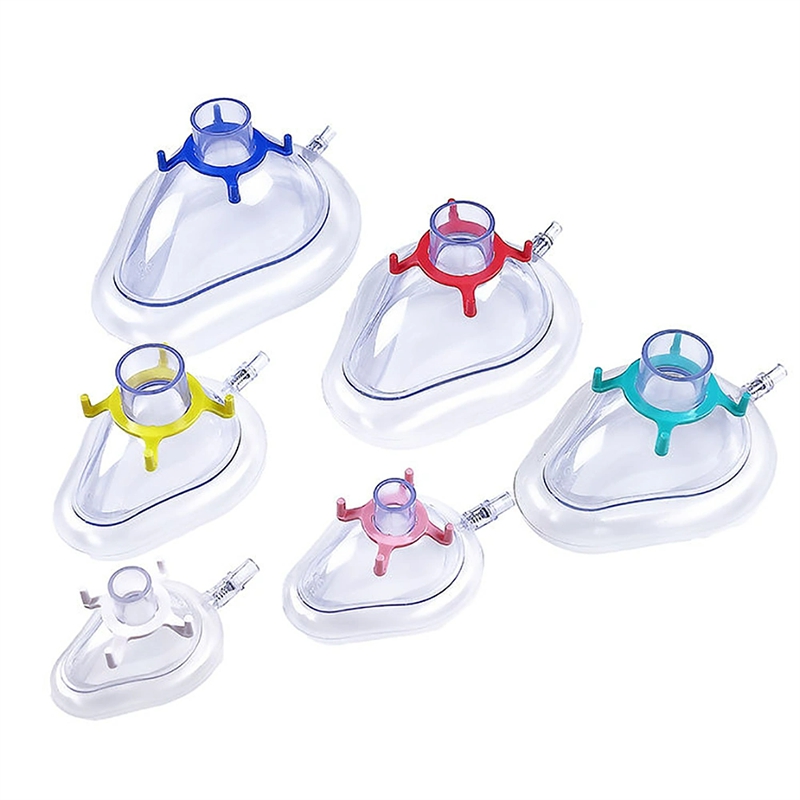
    Achieving a perfect, airtight seal is the primary challenge in anesthesia and emergency ventilation. Traditional rigid masks often lead to gas leakage and patient discomfort. Our Inflatable Air Cushion PVC Anesthesia Masks solve these issues through precision engineering and integrated valve technology. The Innovation: Integrated Check Valve Technology The core of our mask’s superior fit is the built-in check valve, which allows for a fully customized patient interface: Customizable Inflation: Clinicians can adjust the cushion’s thickness via the valve to match unique facial contours—essential for patients with difficult airways or recessed jaws. Persistent Air Lock: Once inflated, the valve prevents slow deflation, ensuring a stable seal during long surgical procedures. Pressure Distribution: The soft, air-filled rim minimizes facial pressure injuries and bruising compared to rigid alternatives. Key Features for Professional Use High Transparency: Medical-grade, latex-free PVC allows for continuous monitoring of patient skin tone, secretions, or airway obstructions. Universal Compatibility: Standard 22mm/15mm connectors fit all mainstream anesthesia machines, ventilators, and manual resuscitators (Ambu bags). Comprehensive Sizing for Every Patient Tianzuo Medical offer a full range of 7 color-coded sizes to streamline inventory and speed up clinical selection: TW8350 (0#) - Neonate (White) TW8351 (1#) - Infant (Pink) TW8352 (2#) - Pediatric (Yellow) TW8353 (3#) - Small Adult (Green) TW8354 (4#) - Medium Adult (Red) TW8355 (5#) - Large Adult (Blue) TW8356 (6#) - Extra Large Adult (Orange)   Clinical Applications From the Operating Room and ICU to Emergency Ambulances and Hyperbaric Oxygen Centers, these masks deliver reliable performance in any respiratory care workflow. B2B Advantage: Why Choose Xiamen Tianzuo Medical's Masks? Compliance: Manufactured under ISO 13485 quality systems with full CE documentation. Efficiency: Color-coded rings reduce selection errors in high-pressure environments. Supply Chain Support: We provide bulk procurement options, OEM/ODM customization, and reliable global shipping. Upgrade your clinical ventilation standards. [Request a Quote] or [Download our Product Catalog] today.
  • We Make Emergency Gear So You Don’t Have to Think About It
    We Make Emergency Gear So You Don’t Have to Think About It
    Jun, 23 2026
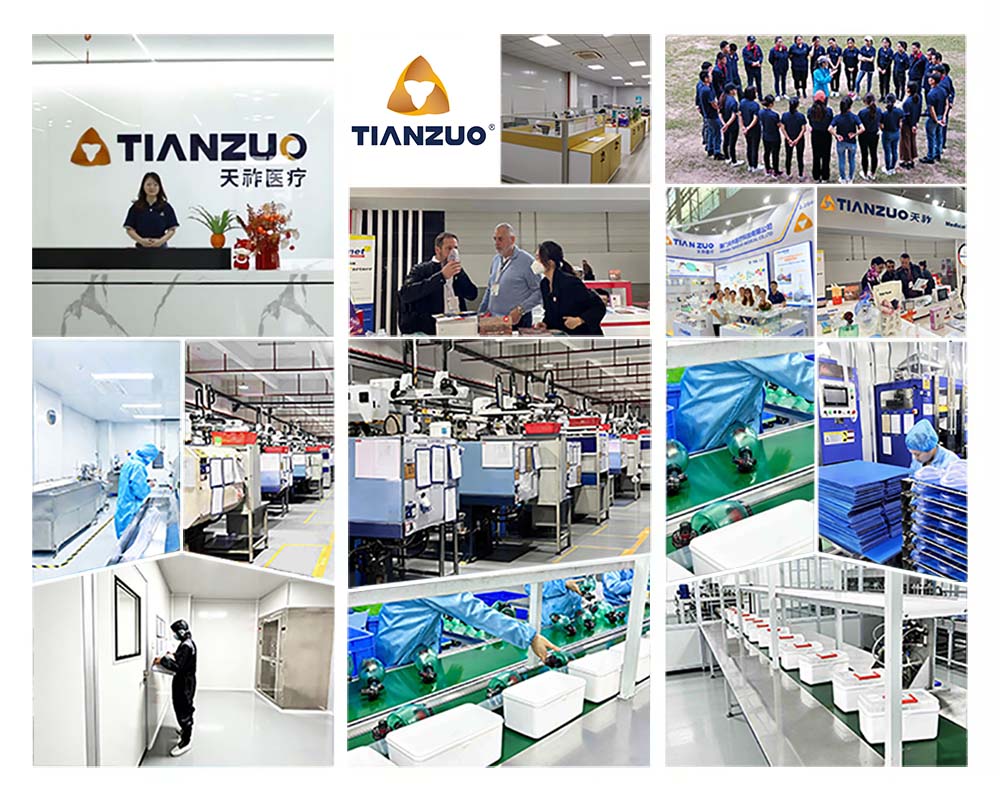
    Here’s something you don’t hear often in medical device marketing: most of our products are boring. And we mean that as a compliment. When an EMT reaches for a manual resuscitator at 2 AM, they don’t want excitement. They don’t want to admire the design. They want the damn thing to work. Same goes for anesthesia masks, cervical collars, air splints, CPR pocket masks — all of it. Nobody buys this stuff for fun. They buy it because they need it to do one job, every single time. That’s where we come in. Who’s “We”? We’re Tianzuo Medical been around since 2011. Over 100 employees. Based in Xiamen, Fujian. ISO 13485:2016 certified, CE marked, FDA registered. But that’s just the formal stuff. We also happen to be the drafting entity for China’s technical review guidelines for manual resuscitator registration. Meaning: we don’t just follow industry rules — we help write them. What We Actually Make Our product line isn’t huge. We don’t do everything. We focus on three areas: Category What That Means Emergency Manual resuscitators (Ambu bags, BVMs), CPR pocket masks, anti-choking devices, extrication collars, inflatable air splints Anesthesia PVC and silicone anesthesia masks, breathing circuits Respiratory Nebulizers, oxygen masks, related disposables   Nothing flashy. Just the stuff clinicians grab when they need to stabilize, ventilate, or immobilize — fast.   Why We’re Not a Random Supplier If you’ve been sourcing from China for a while, you’ve probably had this experience: “The sample was great. The bulk order wasn’t.” We’ve heard that from too many buyers. So we built our operation differently. In-house everything. Injection molding, blow molding, silicone processing, printing, engraving — it’s all under one roof. No subcontracting to some workshop you’ll never visit. On-site mold-making. CNC machining centers, EDM, wire-cutting. If a mold needs tweaking, we do it ourselves — not after a three-week back-and-forth with a third party.  Dedicated manufacturing arm. Our subsidiary, Xiamen Dahton Meditech, handles OEM and ODM work. Same quality system. Same standards. Just separate teams so production and custom projects don’t interfere with each other. One Thing We’ve Learned (The Hard Way) We’ve been at this since 2011. Over the years, we’ve seen what fails in the field: Air splints that lose pressure because the seam welding wasn’t strong enough Cervical collars that don’t stay closed because the Velcro gives up after a few uses Ambu bags that don’t refill properly because the inlet valve gets stuck We fixed those on our end — not by adding features, but by paying attention to the small stuff. Stronger seams. Better zippers. Valves that actually seal. None of these are “innovations.” They’re just things that should have been done right from the start. If You’re a Buyer, Here’s What Matters Skip the marketing fluff. Ask your supplier: What’s your seam welding process? How do you test air retention on splints? Can you trace a batch back to specific production records? If they hesitate, you’ve got your answer. We don’t hesitate. Our documentation is ready, our production records are traceable, and our quality team actually tests — not just spot-checks Final Thought We don’t make the most exciting medical devices in the world. But when a paramedic uses our BVM at 3 AM, or a nurse grabs one of our anesthesia masks for an emergency intubation — we want that tool to be the last thing they have to worry about. That’s the whole point.   Product range: Manual resuscitators (Ambu bag, BVM), CPR pocket masks, anesthesia masks (PVC & silicone), cervical collars, inflatable air splints, anti-choking devices, nebulizers. Certifications: ISO 13485:2016, CE (MDD/MDR), FDA registered. Contact: Reach out through the website, or connect with our international trade team via Xiamen Winner Trade — they handle all export inquiries.

  • What B2B Medical Buyers Need to Know About CE MDR Compliance for Anesthesia Masks
    What B2B Medical Buyers Need to Know About CE MDR Compliance for Anesthesia Masks
    Jun, 17 2026
    Anesthesia masks are critical medical devices used in surgery, emergency care, and respiratory therapy across the EU. For B2B buyers, distributors, and hospital procurement teams, ensuring full compliance with the EU Medical Device Regulation  is no longer optional—it is essential for legal market access, patient safety, and business continuity. If you source anesthesia masks from manufacturers outside the EU, understanding MDR requirements is key to avoiding customs delays, product recalls, or costly non-compliance penalties. Below is a clear breakdown of what you need to know.    1. Why MDR Compliance Matters for Anesthesia Masks Under EU MDR, anesthesia masks are classified as Class IIa medical devices, which means they require a higher level of regulatory oversight compared to low-risk products.  Non-compliance risks include:  • Detention or rejection of shipments at EU customs • Withdrawal of products from the market  • Fines and legal penalties for importers  • Loss of trust with hospitals and clinical partners  Choosing only MDR-compliant anesthesia masks ensures you meet EU safety standards and protect your business reputation.    2.Key MDR Requirements for Anesthesia Masks  When evaluating suppliers, confirm these core compliance elements are in place: Requirement What It Means for Anesthesia Masks Valid CE Marking The product must carry a visible, permanent CE mark issued under MDR rules, with the Notified Body number clearly indicated. EU Authorized Representative (EU AR) Non-EU manufacturers must appoint an EU-based Authorized Representative to act as their legal contact for regulators. Technical Documentation The manufacturer must maintain complete technical files, including risk analysis, biocompatibility test reports, and clinical evaluation data. Declaration of Conformity (DoC) The supplier must provide a signed EU Declaration of Conformity confirming compliance with all applicable MDR requirements. UDI Traceability Most anesthesia masks require a Unique Device Identification (UDI) to enable full traceability throughout the supply chain. Labeling & IFU Packaging and instructions for use (IFU) must be in the official language of your EU member state, with clear product details and safety warnings.   3. What to Verify with Your Supplier Before placing orders for anesthesia masks, ask your manufacturer to provide proof of: • Current CE certificate (valid under MDR, not the old MDD directive) • Biocompatibility and safety test reports (ISO 10993 series) • Tianzuo Medical hasISO 13485:2016 quality management system certification • Valid EU Authorized Representative information • Full technical documentation and risk assessment files Reputable suppliers will have these documents readily available to support your import process.   4.How Compliance Impacts Your B2B Business For B2B buyers, MDR compliance offers clear advantages: • Smooth customs clearance in all EU member states  • Eligibility to sell to hospitals, clinics, and public health systems  • Reduced risk of product recalls or safety incidents  • Stronger trust with customers, thanks to verified quality and safety  Working with an MDR-compliant Tianzuo Medical manufacturer means you can focus on growing your business, not managing regulatory risks.    5.Choosing the Right Anesthesia Mask Supplier  As you evaluate partners, prioritize manufacturers that demonstrate:  • Transparent and up-to-date regulatory documentation • A proven track record of supplying CE MDR-compliant medical devices  • Clear labeling, packaging, and IFU support for multiple EU languages  • Consistent quality control and batch-to-batch reliability Anesthesia masks must fit securely, provide a tight seal, and use safe, biocompatible materials—qualities that go hand-in-hand with strong regulatory compliance.   Final Thoughts  CE MDR compliance is the foundation of doing business with anesthesia masks in the EU. By understanding the requirements, verifying supplier credentials, and prioritizing safety and traceability, B2B buyers can protect their operations, meet regulatory expectations, and deliver reliable products to healthcare providers across Europe. If you need support sourcing MDR-compliant anesthesia masks, we are here to help you navigate the process with certified, high-quality products you can trust. 
  • Tourniquets in Emergency Care: Why They Are Essential and How to Choose the Right One
    Tourniquets in Emergency Care: Why They Are Essential and How to Choose the Right One
    Jun, 11 2026
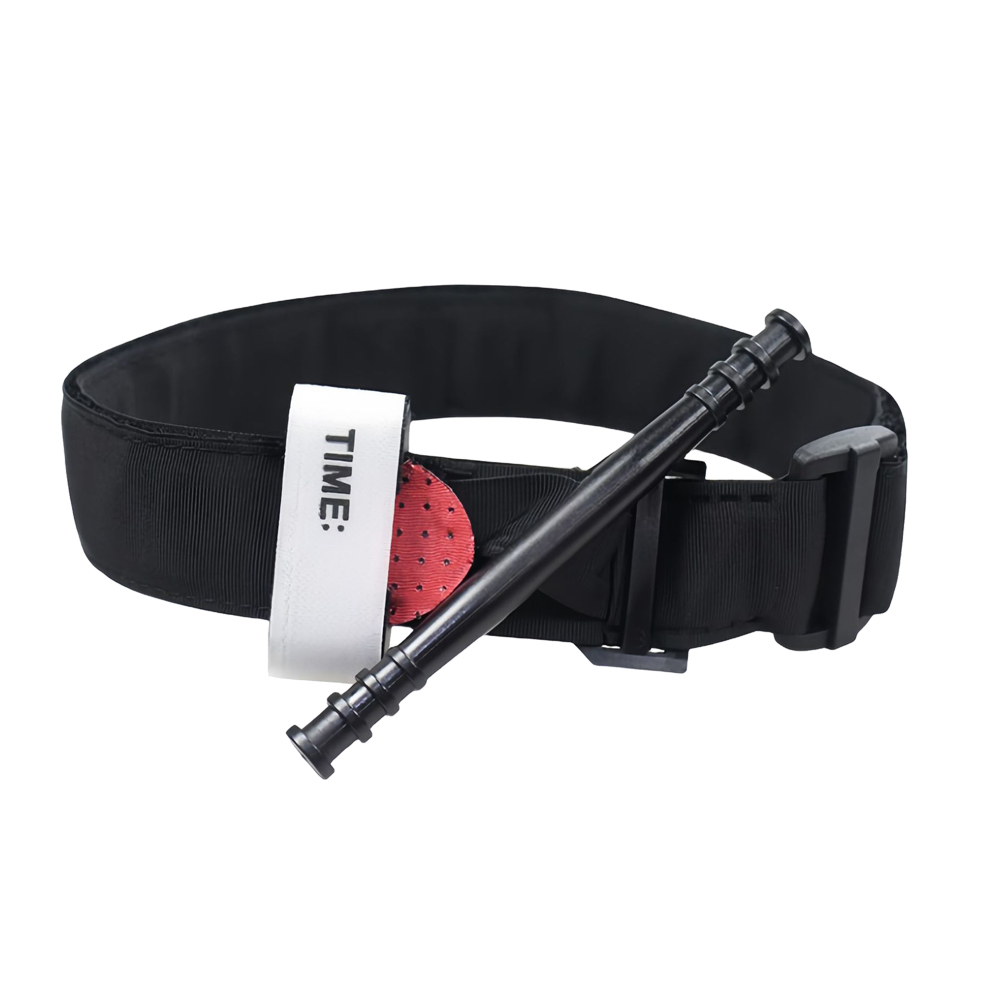
    In life-threatening bleeding emergencies, every second counts. A tourniquet is one of the most effective tools to control severe limb bleeding and save lives when direct pressure alone is not enough. From pre-hospital care to first aid kits, understanding how tourniquets work, their types, and how to choose a reliable one is critical for medical professionals, first responders, and anyone building a first aid kit.   The Critical Role of Tourniquets in Bleeding Control Severe limb bleeding can lead to shock and death in minutes. A tourniquet works by applying controlled pressure to the limb, compressing blood vessels to stop or slow blood flow. When used correctly, it can prevent life-threatening blood loss in situations like accidents, trauma, or emergency injuries where direct pressure is not effective. Common Types of Tourniquets and Their Uses   There are two main types of tourniquets, each designed for different scenarios: Type Design & Features Best For Quick-Release Tourniquet (Snap Style) Lightweight, simple plastic buckle design, easy to apply and release with one hand. Colorful options for quick identification. Venous puncture, routine medical use, and light bleeding control in clinical settings. Combat Application Tourniquet (CAT Style) Durable fabric strap with a windlass rod, designed for one-handed application and adjustable pressure. Includes a time marker to record application time. Severe trauma, tactical first aid, emergency pre-hospital care, and high-risk bleeding control.   Key Features to Look for in a Reliable Tourniquet When choosing tourniquets for your first aid kit, clinic, or emergency team, prioritize these features: Fast, one-handed application: The ability to apply the tourniquet with one hand is essential for self-use or when helping others in critical situations. Secure, non-slip pressure: The tourniquet must stay in place and maintain consistent pressure without slipping or loosening during transport or movement. Durable materials: Medical-grade fabrics and sturdy buckles ensure the tourniquet works reliably in different environments, from cold to hot conditions. Clear time marker: A visible time label helps medical teams know when the tourniquet was applied, supporting safe patient care. Lightweight and portable: Compact design allows easy storage in first aid kits, backpacks, or emergency bags without adding bulk. When and How to Use a Tourniquet Safely  Tourniquets are only for life-threatening limb bleeding that cannot be controlled with direct pressure. Follow these key steps: 1. Apply the tourniquet 2–3 inches above the bleeding site (avoid joints). 2. Twist the windlass (or fasten the buckle) until bleeding stops. 3. Secure the windlass in place and clearly mark the time of application. 4. Do not loosen or remove the tourniquet until you are with medical professionals. Proper training in tourniquet use is always recommended to ensure safe and effective application.  Why Choose Tianzuo Medical Tourniquets  Our tourniquets are designed to meet the demands of both routine clinical use and emergency trauma care: • Multiple styles available, including quick-release snap models and combat-style tourniquets, to suit different scenarios. • Made with durable, medical-grade materials for reliable performance in critical situations. • Compact and easy to store, ideal for hospitals, clinics, first aid kits, and emergency teams worldwide. • Designed for fast, intuitive use, even by users with limited training. Conclusion A tourniquet is more than just a piece of fabric or plastic—it is a life-saving tool that can make the difference between life and death in a severe bleeding emergency. By understanding the different types, key features, and safe use practices, you can choose the right tourniquet for your needs and be prepared to act quickly when it matters most. Whether for clinical use, tactical response, or everyday first aid, a reliable tourniquet is an essential part of any emergency preparedness plan.
  • Air Splints: Simple Device, but Only If You Use It Right
    Air Splints: Simple Device, but Only If You Use It Right
    Jun, 08 2026
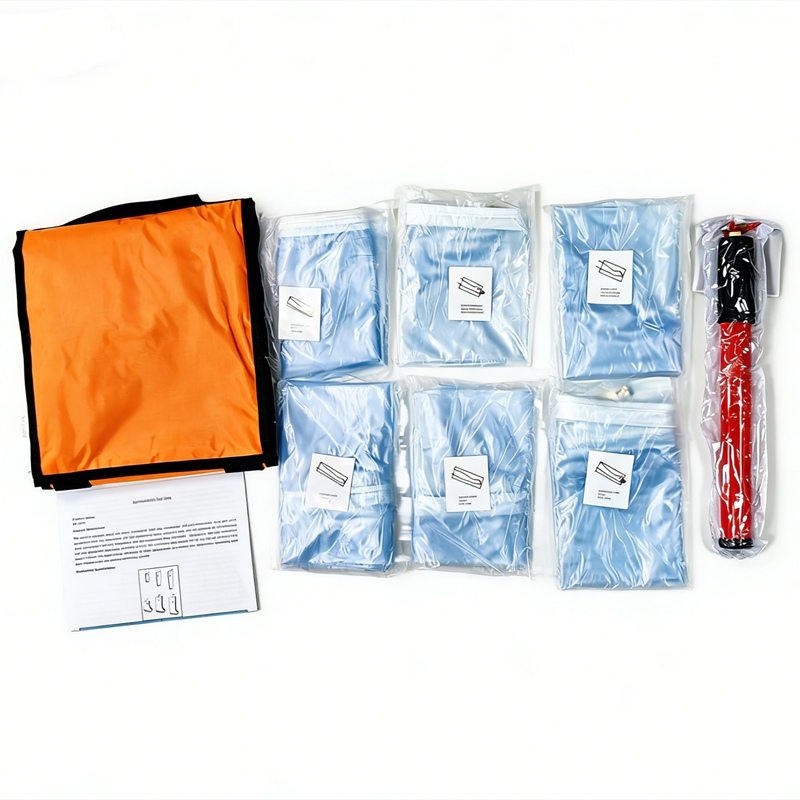
    Let‘s Start with a Real Scene You’re on scene. A patient has a suspected forearm fracture. They’re in pain. They need to be moved. You pull out an air splint. Wrap it around. Pump it up. Looks good. Feels secure. But five minutes later, you check again. The splint feels softer. The immobilization isn’t as tight. What happened? That‘s not a rare story. And it’s not always user error. Sometimes it‘s the splint itself. What Is an Air Splint, Really? An air splint is basically a double-walled plastic or vinyl sleeve. You wrap it around an injured limb, inflate it with a pump or your mouth (yes, some models let you do that), and it hardens just enough to stabilize the fracture. No hinges. No complicated buckles. Just air pressure. That simplicity is its superpower. But it’s also where things go wrong.   The Two Most Common Problems We’ve Seen We make air splints. We also get calls from distributors who ask: “Why are my customers complaining?” Ninety percent of the time, it’s one of these two. 1. Slow Leaks Some splints lose pressure after 10–15 minutes. Not because the user did anything wrong. Because the seam welding wasn‘t strong enough. You don’t notice it when you first inflate. But after a few minutes? The limb starts moving again. That defeats the whole point. Good splints hold pressure for at least 30 minutes without needing a top-up. Bad ones? You‘ll be pumping every few minutes. 2. The Zipper or Velcro Gives Up The splint itself might be fine. But the closure fails. Velcro gets clogged with dirt and doesn’t stick. Zippers get stuck or break halfway. Then you‘re left with a perfectly inflated splint that won’t stay wrapped. Frustrating, right? That‘s why we use heavy-duty zippers and oversized Velcro strips on ours. It sounds small. But in the field? It makes a difference. Where Do Air Splints Actually Get Used? Not just ambulances. Here’s where we see them most:   Setting Typical Use Emergency medical services (EMS) Fracture stabilization before transport Sports medicine Sideline injuries — ankle, wrist, forearm Clinics & urgent care Temporary immobilization while prepping for casting Military & field hospitals Lightweight, packable option for remote settings Home care kits For families with elderly members at fall risk So even if you’re not selling to big hospitals, there‘s still a market. What to Look for When You Buy Air Splints If you’re sourcing these for resale or clinical use, skip the fancy marketing. Check these instead. ✅ Seam Strength This is the #1 hidden failure point. Weak seams = slow leaks. Ask your supplier: What‘s your welding process? If they can’t answer clearly, be careful. ✅ Valve Quality The valve is where you pump air in. Cheap valves leak. Or they‘re hard to operate with gloves on. Test it. Pump it up. Leave it for 20 minutes. Check again. ✅ Sizing Options Standard sets usually include: Arm splint (for forearm and wrist) Leg splint (for lower leg and ankle) Ankle/foot splint (smaller) If a supplier only offers one size — ask why. ✅ X-Ray Translucent? Maybe Not Always Some buyers ask for radiolucent splints (so you don’t have to remove them for X-rays). But not every market needs that. Know your customer first. Don‘t pay for features nobody asked for. A Quick Word on Reusability Most air splints are reusable — if cleaned properly. But here’s what distributors don‘t always tell you: blood or body fluids can get into the pump or valve. So unless the design allows full cleaning, some facilities treat them as single-patient use. If you’re selling into high-infection-risk environments (ER, ICU, ambulances), consider offering disposable or easy-clean versions. Our Take (No BS) Air splints aren‘t high-tech. They don’t need to be. But they need to hold air and stay closed. Everything else is secondary. We‘ve been making them long enough to know where corners get cut. We don’t cut those corners. If that matters to you — whether you‘re a hospital buyer, a distributor, or an EMS trainer — let’s talk. Want Specs or a Sample? We can send you: Product catalog with sizes and materials Test report on seam strength and air retention A sample unit (if you‘re serious) Just reach out. No fake “submit a form and wait three days” runaround.
  • Global Demand for Emergency Medical Devices: Growth Trends & Key Drivers (2020–2024)
    Global Demand for Emergency Medical Devices: Growth Trends & Key Drivers (2020–2024)
    Jun, 01 2026
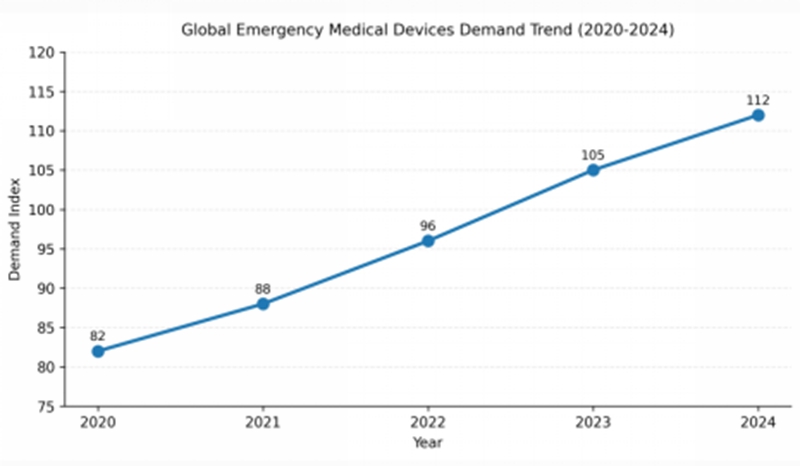
    📈 The Big Picture: A Market on the Rise Over the last five years, the global market for emergency medical devices has grown steadily — not in dramatic spikes, but in a way that feels sustainable. Think manual resuscitators (BVMs), anti-choking devices, oxygen masks, and first-aid kits. These aren't niche products anymore. They're becoming standard equipment in hospitals, ambulances, workplaces, schools, and even homes. So what's driving this? Let's break it down.   📊 Demand Trend at a Glance (2020–2024)     Period Market Trend 2020–2021 Steady recovery after early market disruption 2021–2023 Strong growth — safety awareness takes off 2023–2024 Sustained high demand, especially for portable devices 📌 The takeaway? This isn't a short-term spike. The market has reset to a higher baseline — and it's staying there. Note: A visual trend chart is included below.     🔍 What's Fueling the Growth? 1. First Aid Is Finally Getting Attention Governments, schools, and corporations are investing more in first-aid training and equipment. That means more orders for: Manual resuscitators Anti-choking devices Breathing masks It's no longer just hospitals buying these. Workplaces and communities are becoming serious buyers. 2. Aging Population = Higher Emergency Risks Older adults are more vulnerable to choking, cardiac arrest, and respiratory distress. This creates stable, long-term demand — not just in hospitals, but also in homecare settings. Families want reliable devices on hand. 3. Supply Chains Are Back to Normal Remember the chaos of 2020–2021? Production and logistics have stabilized. Now buyers can place regular, larger orders without constant delays. Inventory cycles have shortened, and the market stays active year-round. 4. Regulations Are Getting Stricter — That's a Good Thing Higher global standards mean buyers are looking for certified, traceable, consistent-quality devices. If you're a supplier with ISO 13485, FDA registration, or CE marks, you're in a stronger position than ever. 🚀 Which Product Categories Are Growing Fastest? Demand is strongest in these categories:     Product Category Why It's Growing Manual resuscitators (BVM) Essential for cardiac arrest and respiratory failure Anti-choking rescue devices Rising awareness of choking risks in all ages Anesthesia & oxygen masks Used in both clinical and pre-hospital settings Portable first-aid kits Workplaces, schools, and homes are stocking up Disposable respiratory supplies Hygiene concerns + ease of use These products share three things in common:✅ Essential✅ Easy to use✅ Widely adopted across hospitals, clinics, and households 🧭 What This Means for Buyers (2024–2025) If you're sourcing emergency medical devices, here's what to keep in mind: Demand will stay strong — no signs of cooling off Quality and supply reliability are your biggest competitive advantages Order early — peak seasons and logistics delays still happen The buyers who win are the ones who lock in stable, compliant, and responsive suppliers before shortages hit. ✅ Final Takeaway The global emergency medical device market isn't just growing — it's structurally shifting upward. Drivers like aging populations, safety awareness, and stricter regulations aren't going away. That means sustained demand for BVMs, anti-choking devices, masks, and kits. For buyers: choose suppliers who can deliver consistent quality, full compliance, and reliable lead times. For suppliers: this is your moment to stand out through trust and transparency.
  • How Anti-Choking Devices Can Save Lives: A Guide for Every Household
    How Anti-Choking Devices Can Save Lives: A Guide for Every Household
    May, 27 2026
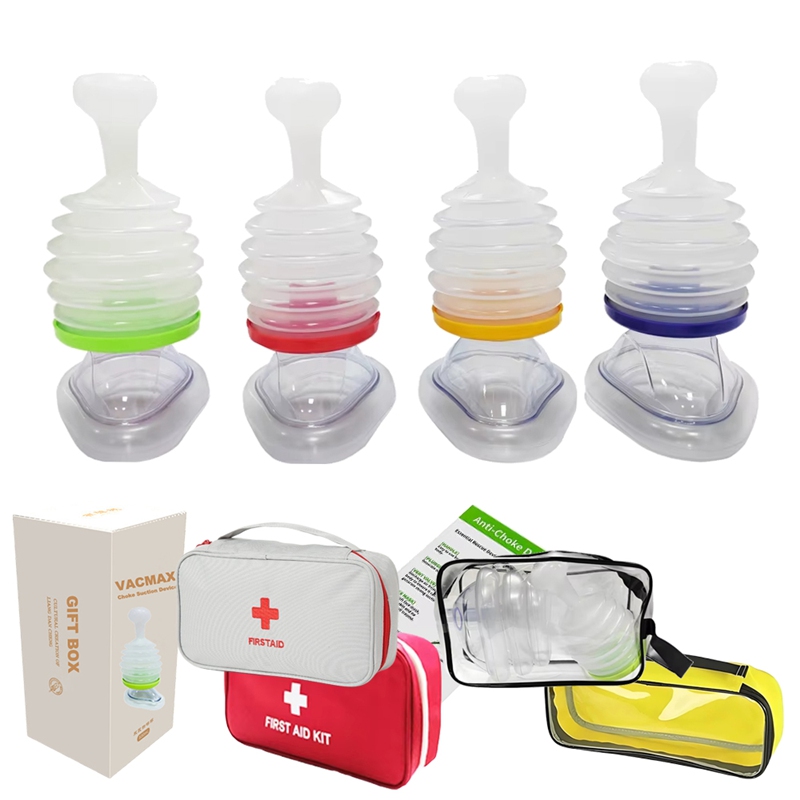
    Choking is a silent, fast-moving emergency that can affect anyone—children, the elderly, and even healthy adults. When food or objects block the airway, every second counts. Traditional methods like back blows and abdominal thrusts require strength and proper technique, and they may not work for everyone. This is where an anti-choking device becomes a simple, reliable life-saving solution for every home, school, and workplace.       Why Choking Emergencies Need More Than First Aid Moves  Choking often happens unexpectedly: during meals, with small toys, or even while talking and laughing. Standard first aid steps like the Heimlich maneuver require precise force and training, and they can be difficult to perform on young children, older adults, or people with limited mobility. An anti-choking device is designed to solve these challenges, offering a safe, effective alternative that works without physical strain or advanced training.   How Our Anti-Choking Device Works  The anti-choking device creates controlled suction to remove airway obstructions safely and quickly. Easy to Use by Anyone: No professional medical training is required. With simple, intuitive steps, even untrained users can operate it in an emergency. Safe for All Ages: Suitable for both adults and children, it features a soft, flexible mask that fits comfortably over the nose and mouth without damaging facial tissue. Effective Suction Technology: The pump-style design generates strong, steady negative pressure to pull out food, bones, or other foreign objects blocking the airway.   No Harmful Side Effects: Unlike aggressive first aid methods, the device does not require back blows, chest compressions, or invasive maneuvers, making it gentle on the patient’s body.   Step-by-Step: How to Use the Anti-Choking Device  Using the device takes just three simple steps: 1. Create a Seal: Place the mask firmly over the choking person’s nose and mouth to form a tight, air-tight fit. 2. Prepare the Suction: Press down on the pump handle to expel air from the device, ensuring no air is pushed into the patient’s airway. 3. Apply Suction: Pull the handle upward to create strong suction. This draws the obstruction out of the airway. If the object does not come out on the first try, repeat the process without removing the mask until help arrives.     Why Every Home Should Have an Anti-Choking Device  Choking can happen to anyone, anywhere. Having an anti-choking device on hand provides: Peace of Mind for Families: Especially for households with young children or elderly family members, who are most at risk. Reliability in Emergencies: The device works when other methods fail, giving you a safe, clear way to help someone before professional help arrives.   Ease of Storage: Compact and portable, it can be kept in kitchen drawers, first aid kits, or even taken on trips to restaurants or family gatherings.   Conclusion  When every second matters, the anti-choking device is more than just a tool—it’s a simple, effective safety net for choking emergencies. With its easy-to-use design, safe operation, and proven effectiveness, it empowers anyone to act confidently and save a life. Keeping one in your home, school, or workplace isn’t just preparation—it’s peace of mind for you and the people you care about.  
  • Tianzuo Medical: Your Trusted Partner for Emergency & Respiratory Solutions | ISO 13485 & FDA Registered
    Tianzuo Medical: Your Trusted Partner for Emergency & Respiratory Solutions | ISO 13485 & FDA Registered
    May, 22 2026
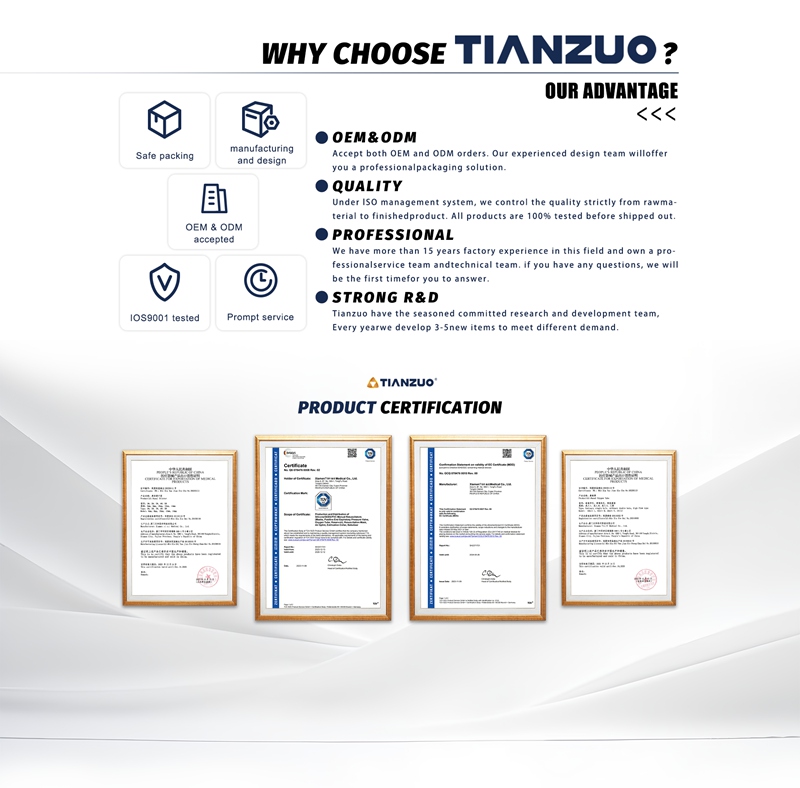
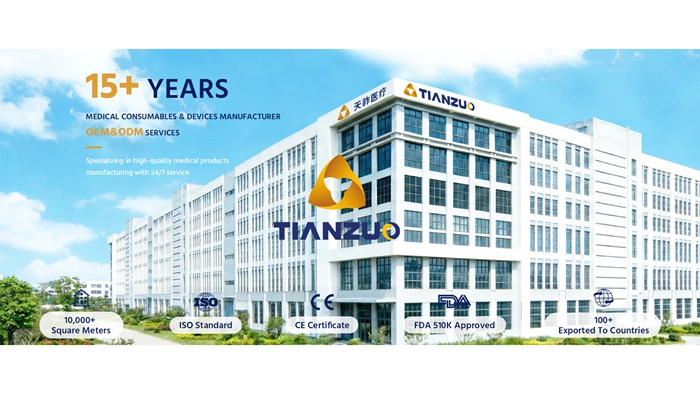
    Tianzuo Medical: Engineering Reliability for Global Healthcare   1. Introduction: More Than Just a Manufacturer In the fast-paced world of global healthcare, reliability isn't optional—it's the foundation of trust. At Tianzuo Medical, we understand that every second counts in emergency and respiratory care. For years, we have been dedicated to bridging the gap between clinical necessity and innovative engineering. Unlike generic suppliers, we focus on delivering durable, safe, and compliant medical solutions tailored for both clinical settings and homecare environments.   2. Solving Critical Challenges in Emergency Medicine The landscape of emergency care is evolving. Medical professionals today demand equipment that is not only effective but also easy to use and maintain. We recognized early on that standard first aid kits often lack the robustness required for pre-hospital scenarios. That’s why we channel our expertise into developing high-performance manual resuscitators, anesthesia masks, and immobilization devices. Whether it’s a high-stress ambulance response or a routine home nebulization therapy, our products are engineered to perform consistently under pressure. We don't just sell devices; we provide peace of mind during critical moments.     The Pillars of Our Excellence   1. Innovation Rooted in StandardsWhat sets us apart is our active role in shaping industry regulations. As a drafting enterprise for China’s Technical Review Guidelines for Manual Resuscitator Registration, our R&D team doesn't just follow standards—we help define them. This deep involvement ensures that our designs are always ahead of the curve, incorporating the latest clinical feedback and technological advancements to reduce the risk of device failure.   2. Uncompromising Quality ControlQuality is non-negotiable in our facility. We operate under the strict ISO 13485:2016 quality management system, ensuring that every component meets the rigorous demands of international markets. Global Compliance: Our products are certified to meet EU MDD 93/42/EEC requirements, ensuring they are market-ready across Europe. US Market Access: With FDA registration, we guarantee that our devices adhere to the safety and performance standards expected by American healthcare providers. In-House Capabilities: From mold design to final assembly, maintaining in-house control allows us to monitor quality at every single touchpoint.   3. Flexible Manufacturing & PartnershipWe believe in building partnerships, not just processing orders. Our advanced production lines are equipped to handle both high-volume output and specialized requests. OEM/ODM Services: Whether you need a custom-branded anesthesia mask or a unique immobilization solution, our team offers flexible OEM and ODM services. Scalability: With well-equipped facilities, we can scale production to meet your specific market demands without compromising on delivery timelines.   Conclusion: A Promise of Partnership At Tianzuo Medical, our mission extends beyond manufacturing. We are committed to a culture of responsibility and innovation. By choosing us, you’re not just sourcing products; you’re gaining a partner who is equally invested in making emergency care safer and more accessible worldwide. Let’s build a healthier future together.  
  • A Tribute to Nurses: The Heartbeat of Healthcare
    A Tribute to Nurses: The Heartbeat of Healthcare
    May, 12 2026
    🩺 More Than a Job: It’s a Calling Nursing isn’t just a profession. It’s a commitment to showing up — again and again — for people in their most vulnerable moments. Whether it’s a trauma bay at 2 AM, a long-term rehab floor, or a quiet bedside conversation with a worried family, nurses bring the same things every time:Skill. Patience. And genuine compassion. They are the calm in chaos. The steady hand. The voice that says, “I’ve got you.”   🛠️ Behind Every Life-Saving Tool, There’s a Nurse As a medical device manufacturer, we don’t just design products. We watch how they’re used — in real emergencies, real recoveries, real days. We see nurses reach for manual resuscitators when every second matters. We see them check anesthesia masks, adjust respiratory devices, and trust that their tools will work — so they can focus on the patient, not the equipment. That’s why we listen closely to nurses.Your feedback shapes our designs. Your clinical experience tells us what works, what fails, and what needs to be better. Because the best medical device isn’t the most advanced one.It’s the one a nurse can trust — without thinking twice.     💙 To Every Nurse, Everywhere To the nurses working overnight shifts, weekend doubles, and holiday rotations.To those in busy city ERs, small rural clinics, and home care visits.To the new grads and the 30-year veterans: Thank you. You show up. You stay kind. You make the hard calls.And you do it all again the next day. We see you. We appreciate you. And we’re proud to build tools that support your work — because your work saves lives. Happy International Nurses Day.You truly are the heartbeat of healthcare.  
  • Three‑Ball Incentive Spirometer: Daily Lung Training That Actually Works
    Three‑Ball Incentive Spirometer: Daily Lung Training That Actually Works
    May, 11 2026
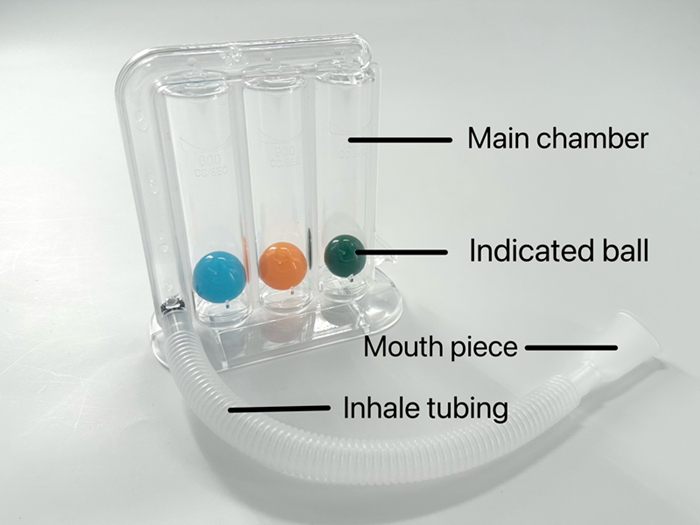
    What Is a Three‑Ball Incentive Spirometer? A three‑ball incentive spirometer is a simple, non‑invasive breathing device. It helps patients rebuild lung strength through guided deep breathing. Whether you’re recovering from surgery, managing a chronic respiratory condition, or just want better daily lung health, this tool gives you clear visual feedback. It’s lightweight, portable, and works just as well at home as in a clinical setting. The design is straightforward: three balls rise inside a chamber when you inhale. The higher they go, the deeper your breath. That immediate feedback makes training easy—and effective.   💡 Why Use a Three‑Ball Spirometer? Regular use helps: Expand lung capacity Clear mucus and respiratory secretions Reduce chest congestion Breathe more comfortably over time It’s especially useful for: Post‑operative patients (especially chest or abdominal surgery) People with COPD, asthma, or other chronic lung issues Anyone looking to strengthen their lungs before or after illness   🔧 Key Specs You Should Know     Feature Details Purpose Deep breathing, lung expansion, mucus clearance Flow rate levels 3 adjustable levels: 600±60 / 900±90 / 1200±120 cc/sec Main chamber material PS (medical grade) Indicator balls ABS Mouthpiece PP, non‑toxic Filter sponge FOAM Other components PE These materials meet international safety standards—safe for repeated use.     📋 How to Use (Step by Step) Follow these steps for correct and effective training: Sit or stand upright – in a chair, on a bed, or standing straight. Connect the tubing to the main chamber. Hold the spirometer vertically. Exhale normally, then place the mouthpiece in your mouth. Seal your lips tightly around it. Inhale slowly and deeply – like sipping through a thick straw.Try to raise one, two, or all three balls, and hold them up for 2–3 seconds. Remove the mouthpiece and exhale slowly. Repeat steps 3–5 as many times as your doctor or therapist recommends. Clean the mouthpiece after each use. Air‑dry it and store it in a clean bag. 📌 Always keep the spirometer upright during use—if tilted, the readings won’t be accurate.   🧼 Storage & Transport Tips To keep your spirometer working properly: Storage: Keep indoors in a cool, dry, well‑ventilated place Humidity ≤80% Avoid corrosive gases, dust, and direct sunlight Transport: Don’t crush or place heavy objects on top Keep away from rain, snow, and sun exposure   ✅ Quick Maintenance Checklist     After each use Clean and air‑dry the mouthpiece Weekly Wipe the chamber with a dry cloth Monthly Check for cracks or worn parts As needed Replace if balls don’t move smoothly   🏁 Final Takeaway A three‑ball incentive spirometer is one of the simplest, most reliable tools for improving lung health. It gives real‑time feedback, fits any setting, and works for both rehab and daily maintenance. If you or your patients need better breathing training—without complexity or high cost—this is a smart place to start.
  • Common Manual Resuscitator Failures (And How to Fix Them Fast)
    Common Manual Resuscitator Failures (And How to Fix Them Fast)
    May, 11 2026
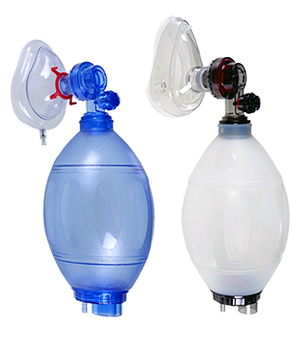
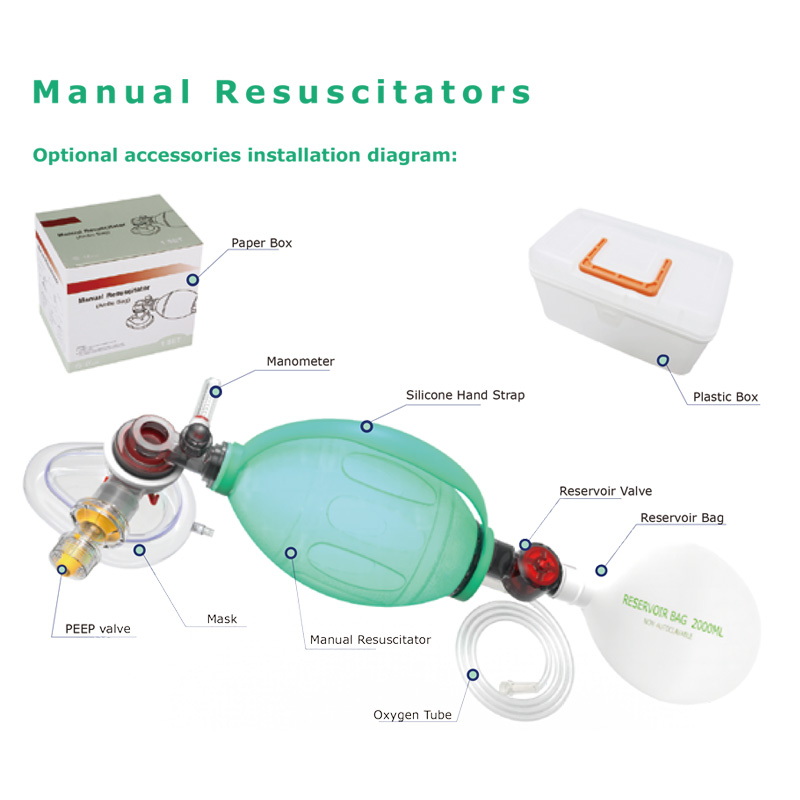
    In emergency situations, a manual resuscitator—often called a bag-valve mask (BVM) or AMBU bag—can mean the difference between life and death.But even small malfunctions can compromise ventilation. Knowing how to spot and fix common issues is a critical skill for any healthcare professional. Below, we break down the most frequent BVM problems, what causes them, and how to troubleshoot them on the spot.   1. Air Leaks During Use Air leakage is the #1 complaint with manual resuscitators. It usually happens at three points: the mask seal, the valve connections, or the bag itself. 🔍 How to fix it: Reapply the mask to ensure a tight face seal. Adjust head positioning if needed. Check the inlet and outlet valves for cracks, dirt, or debris that might prevent sealing. Look over the bag for any visible tears, holes, or worn spots. ✅ A small leak can greatly reduce tidal volume. Always start troubleshooting at the mask.   2. Valve Malfunctions Faulty valves directly affect airflow direction and volume. Here’s what to watch for:   Problem What happens Quick fix Inlet valve stuck closed Bag won’t refill after squeezing Clean or replace valve Outlet valve stuck open Air flows back into bag, not patient Inspect and replace if needed Faulty PEEP valve Incorrect pressure in critical care Pre-test PEEP function before use 🧪 Pro tip: Test all valves before putting a resuscitator into service. This prevents most field failures.   3. The Bag Won’t Refill You squeeze the bag… and it stays flat. This is usually a refill issue, not a bag problem. Common causes and fixes: Check oxygen tubing – kinks or blocks are the #1 cause. Look at the inlet valve – if stuck, it can’t draw air or O₂. Verify gas source – low pressure or empty tank = no refill. Work from the outside in: tubing → connections → oxygen source → valve.   4. Poor Chest Rise (Even When Squeezing) This is frustrating. You’re squeezing the bag, but the patient’s chest barely moves. Step-by-step troubleshooting: Recheck mask seal – a loose mask = lost volume. Open the airway – use head-tilt, chin-lift or jaw-thrust. Clear obstructions – suction if you suspect secretions or foreign body. Inspect the resuscitator – bag tear or valve failure may reduce output. 👉 Poor chest rise is rarely just one issue. Always check both patient and equipment.   🛠️ Pre-Use Checklist (Prevents Most Failures) Do this before every shift or patient contact: Squeeze the bag and watch for smooth refill. Listen for air leaks around valves and mask. Inspect all ports, tubing, and mask for cracks or blockages. Test oxygen flow if connected to a source. Store BVMs in clean, dry, and temperature-controlled conditions. 📅 Replace expired or worn parts immediately—don’t wait for failure.   🔄 When to Retire a Resuscitator No BVM lasts forever. Replace yours immediately if: The bag is cracked, torn, or permanently deformed. Valves fail after cleaning and reassembly. The device has passed its expiration date (yes, BVMs expire). It no longer meets safety standards (ISO 10651-4, AHA guidelines). 💡 A failing BVM puts patients at risk. Reliable equipment saves lives—don’t compromise.
  • Building Trust in Medical Devices: The Hidden Value of Responsible Manufacturing
    Building Trust in Medical Devices: The Hidden Value of Responsible Manufacturing
    May, 07 2026
    In the global medical device industry, earning trust in medical equipment is no easy feat—it requires consistent quality assurance, a reliable supply chain, and a long-term commitment to accountability. For clinics, hospitals, distributors, and emergency response teams around the world, choosing a responsible partner will make every link in the supply chain more stable and reliable.   Consistency in Every Detail Medical devices require strict control at every stage, from material selection to production, testing, and packaging. Small differences in craftsmanship can affect real world performance. Responsible manufacturers follow standardized processes to ensure each product meets expectations, batch after batch.      Safety as a Top Priority Safety is the foundation of medical care. Reliable suppliers use safe, tested materials and follow international safety guidelines. They invest in quality control and testing to reduce risks, support better clinical outcomes, and protect both users and patients.   Reliable Supply for Critical Moments Emergency and clinical settings cannot afford interruptions. Stable production planning, transparent lead times, and responsible inventory management help ensure products arrive on time, even during market fluctuations. A steady supply means greater peace of mind for long term planning.    Long-Term Partnership Over Short-Term Transaction  The most valuable business relationships are built on consistency and support. Responsible manufacturers focus on sustainable cooperation, clear communication, and flexible solutions. They stand behind their products and support partners as markets and needs evolve.   Conclusion Trust in medical devices comes from responsibility: consistent quality, reliable delivery, safety focus, and long-term partnership. These elements create real, lasting value for every user and partner in the global healthcare community.
Prev
1 2 3 4
Next
Sign Up To Get The Latest updates

Please read on, stay posted, subscribe and we welcome you to tell us what you think

leave a message

leave a message
Ready to scale your medical business? Click here to get a free quote & catalog!
submit

Home

Products

WhatsApp

contact

Tell us your requirements (e.g., Quantity, Destination Port)
leave a message
Ready to scale your medical business? Click here to get a free quote & catalog!
Submit