manual resuscitator manufacturer

Blogs

  • How to Choose an Anti-Choking Device: A Buyer's Guide for Homes, Schools, and Distributors
    How to Choose an Anti-Choking Device: A Buyer's Guide for Homes, Schools, and Distributors
    Aug, 25 2026
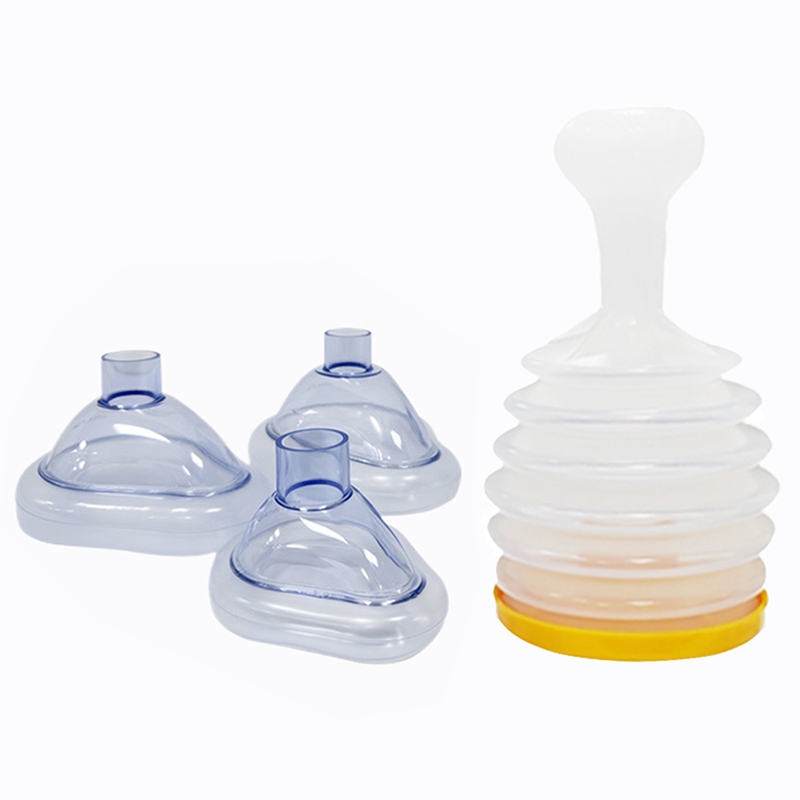
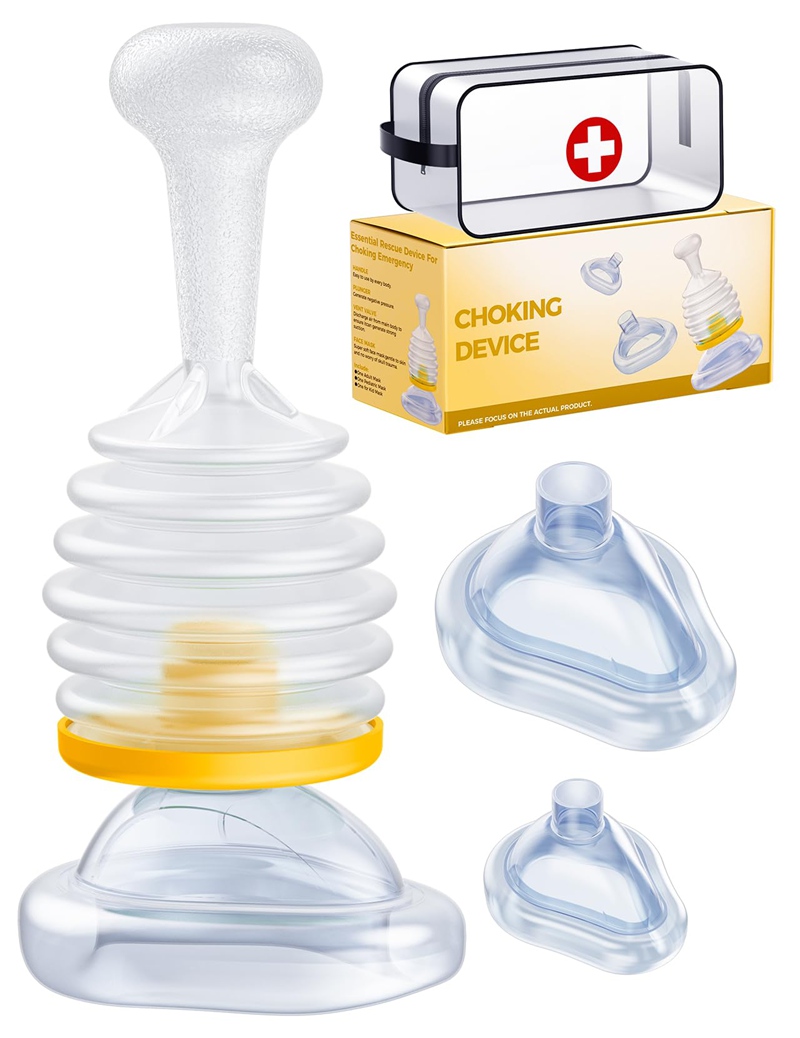
      In this article An anti-choking device is a handheld suction tool that pulls a lodged piece of food or foreign object out of the airway when back blows and abdominal thrusts have not cleared it. This guide explains how the device works, where it sits in the response chain, and the selection points that matter for homes, schools, care facilities, and bulk B2B procurement. What an Anti-Choking Device Actually Does Most people know the Heimlich manoeuvre — it drives air up from the lungs to pop an obstruction free. A suction-based anti-choking device works from the opposite direction. It is a handheld unit built around a clear chamber, a plunger or pump handle, and a face mask. You place the mask over the casualty's mouth and nose to form a seal, then pull the handle to generate controlled negative pressure inside the airway. That vacuum draws the stuck object back up and out, rather than pushing it from below. The appeal is straightforward: when standard first aid has failed, or when the person is unconscious and abdominal thrusts are no longer an option, a direct suction pull can clear an airway in seconds. A transparent chamber lets the responder see the object clear, and because the unit is mechanical, it can be cleaned and reused after the event. It is a physical rescue tool, not a medicine, and it needs no power to operate. Where It Fits in the Choking Response Chain Get the order right, because the device is a backup, not a first move. Recognise severe choking — the person cannot speak, cough, or breathe. Start with five sharp back blows between the shoulder blades. If that fails, move to abdominal thrusts (Heimlich) for adults and children over one year, or chest thrusts for infants. Only when those steps do not work, or the casualty goes unconscious, do you reach for the suction device. Call emergency services in parallel throughout. Treating it as a second-line tool matters for two reasons. First, established protocols clear most obstructions without any device. Second, regulators and first-aid bodies position suction devices exactly here — as the option you keep for the moment everything else has run out. A distributor explaining this to a buyer builds far more trust than one promising the device replaces trained response. Mask Fit: The Detail That Decides Success The seal is everything. A mask that leaks lets the vacuum escape, and the pull fails exactly when it matters most. Look for medical-grade silicone that conforms to the face, not hard plastic that lifts at the edges. Practical kits ship two mask sizes — one for adults, one for children — so a single unit covers a household or a classroom. Confirm the labelled age range before you stock it; suction devices are generally sized for ages one year and up and are not intended for infants under twelve months, who should receive back blows and chest thrusts only. For buyers sourcing at volume, mask identification also drives training. Masks should be colour-coded or clearly sized and stored with the device, so a stressed responder grabs the right one without thinking. Single-Action Simplicity and Battery-Free Design In a choking emergency nobody reads the manual. The operation path should be brutally short: attach the correct mask, place it, pull. A single firm pull that generates the vacuum in one motion beats any multi-step setup when seconds count. Equally important for bulk deployment, the best units are mechanical — no batteries, no charging, no replacement filters or consumables to track. A device that sits in a kitchen drawer for two years and still works on pull number one is worth more than a feature-rich one that needed maintenance nobody performed. Matching the Device to the Setting The right unit is the one that is actually present and reachable when needed. Home: keep it near the main eating area, understood by more than one adult. School / daycare: distance is the enemy — distribute compact kits to cafeterias, classrooms, and buses rather than one central point. Restaurant: staff should know the location and have practised the two-step pull. Senior care: dysphagia, dentures, and a weaker cough make choking more likely; easier handling and bedside standby placement matter most. Travel / car: a small, sealed kit that lives in a glove box or bag beats a bulky unit left at home. For any of these sites, the strongest product is the one that removes search and confusion from the responder's hands — visible, identified, and practised. Certifications and What They Really Mean Buyers should verify claims rather than trust marketing language. A device may be described as "FDA approved" when, in FDA terms, it is merely registered or listed — registration is not approval or clearance. For a credible supplier, look for CE marking and manufacturing under ISO 13485, the quality standard for medical devices, plus transparent documentation you can show a tender board or a hospital procurement lead. Multilingual instructions and clear pictograms also matter for non-English-speaking users and travellers. A manufacturer that drafts its own clinical review guidance, as Tianzuo Medical has for resuscitation equipment, signals the kind of engineering discipline worth backing. Related Products TW8648 Choke Suction DeviceView product →TW8648-B Portable Suction DeviceView product →TW8342 Resuscitation Mask with One-Way ValveView product →TW8111 Adult Silicone Manual ResuscitatorView product →TW8374 PVC Anesthesia Masks with Ultra-Soft CushionView product → Why Partner With Tianzuo Medical Xiamen Tianzuo Medical is a one-stop manufacturer integrating R&D, molding, and production across emergency, anesthesia, and respiratory lines — and OEM / ODM is our forte. For distributors, wholesalers, and tender buyers, that means private-label programs, flexible MOQs, and bulk orders backed by consistent supply rather than one-off purchases. Our facility operates under ISO 13485:2016, with CE and FDA-listed products, and our team helped draft China's *Guidelines for the Technical Review of Manual Resuscitator Registration*. Whether you are equipping retail shelves, school districts, or care-home networks, we can match configurations, packaging, and export documentation to your market. Ready to discuss volumes, lead times, or a custom build? Reach our procurement team at https://www.tianzuomedical.com/contact-us or email Stephen@tzmed.com directly. We respond to B2B inquiries quickly and can arrange samples for qualified distributors. Frequently Asked Questions How does an anti-choking device work? It is a handheld suction tool with a chamber, plunger, and face mask; placing the mask and pulling the handle generates negative pressure that draws a lodged object back out of the airway, working from the opposite direction to abdominal thrusts. Should the device replace the Heimlich manoeuvre? No. It is a second-line backup used only after back blows and abdominal thrusts fail, or if the casualty becomes unconscious; standard first-aid protocols remain the first response. Can one device serve both adults and children? Most kits include two mask sizes — adult and child — so a single unit covers the family, but check the labelled age range; suction devices are generally for ages one year and up and are not for infants under twelve months. Do anti-choking devices need batteries or consumables? The practical mechanical units are battery-free and need no filters or replacement parts, which is why they suit long standby storage in homes, vehicles, and care facilities. What certifications should a buyer verify? Look for CE marking and ISO 13485 manufacturing; be cautious with "FDA approved" claims since FDA registration or listing is not the same as approval or clearance, and ask the supplier for verifiable documentation.

  • How to Choose an Oxygen Mask: A Procurement Guide for Clinics, Hospitals, and Distributors
    How to Choose an Oxygen Mask: A Procurement Guide for Clinics, Hospitals, and Distributors
    Aug, 20 2026
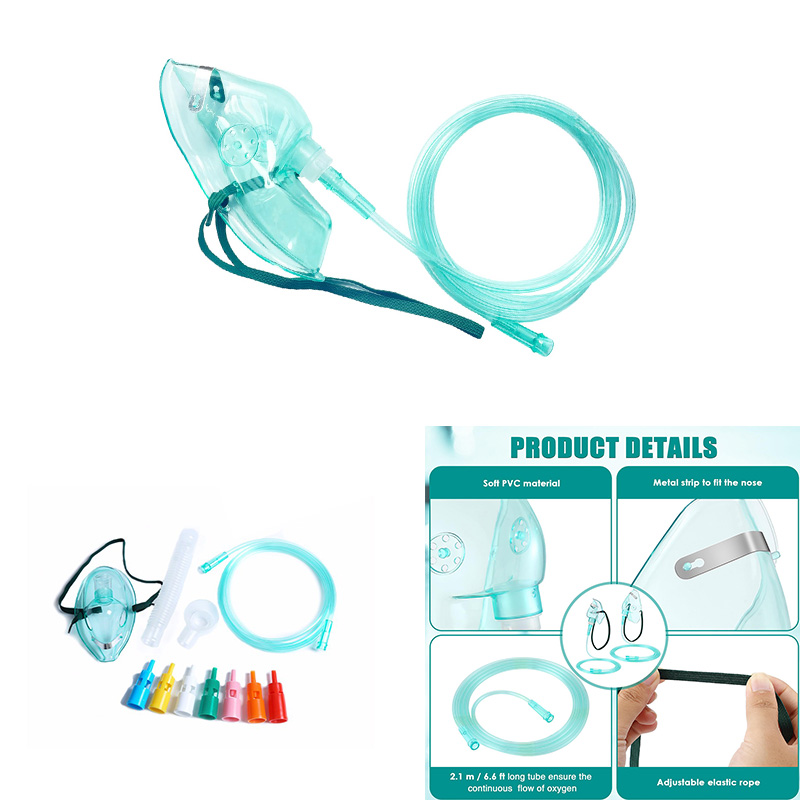
      In this article Selecting the right oxygen mask comes down to one question: what oxygen concentration does the patient actually need, and how precisely must it be controlled? This guide breaks down the three core mask types—simple face mask, Venturi mask, and non-rebreathing mask—shows procurement teams how to match each to a clinical scenario, and lists what to verify before placing a wholesale order. Why the Mask Type Drives Patient Outcomes Oxygen therapy looks simple until you are standing in front of a wall of SKUs. The mistake most first-time buyers make is treating every mask as interchangeable. It isn't. A mask's job is to deliver a target fraction of inspired oxygen (FiO₂) reliably, and the three common designs do that in fundamentally different ways. Get the selection wrong and you either under-oxygenate a critical patient or over-oxygenate someone at risk of CO₂ retention. For a distributor or hospital procurement lead, understanding these differences is what separates a well-balanced stock list from a warehouse full of the wrong SKUs. The Three Core Oxygen Mask Types Simple face mask. This is the workhorse for low-to-moderate demand. Typical flow is 5–10 L/min, delivering roughly 40–60% FiO₂. It is cheap, transparent for easy monitoring, and fine for short-term use in wards and post-op recovery. The catch: it cannot hold a precise concentration, and you must never run it below about 5 L/min or the patient starts rebreathing exhaled CO₂. Venturi mask. The precision instrument of the group. It uses color-coded jet nozzles to entrain room air at a fixed ratio, producing a stable FiO₂—commonly 24%, 28%, 31%, 35%, 40%, or 60%—regardless of how the patient breathes. That predictability is why it is the standard for COPD and other patients who cannot tolerate variable oxygen. If your buyers serve chronic-respiratory or long-term-care facilities, this is the mask they will keep coming back for. Non-rebreathing mask. The emergency option. A reservoir bag plus one-way valves lets it deliver up to 90–100% FiO₂ at 10–15 L/min. It is the device you reach for in trauma, severe hypoxia, or pre-hospital stabilisation. It is not meant for long-term therapy, but no emergency trolley or ambulance should be without one. Match the Mask to the Clinical Scenario A useful rule of thumb procurement teams can pass to clinicians: start low, escalate by need. For stable patients needing mild support, a simple mask covers most cases. When precise control matters—think COPD, where too much oxygen can worsen respiratory acidosis—the Venturi mask is non-negotiable. When saturation drops below roughly 85% or you are in a peri-arrest situation, the non-rebreathing mask is first-line until the patient stabilises. Stocking all three means your customers can titrate care instead of improvising with whatever is on the shelf. Material and Comfort Details That Affect Reorders Specs that seem minor drive repeat purchases. Soft, medical-grade PVC cushions reduce facial pressure and leakage. Adjustable elastic straps that survive more than a few uses cut complaint rates. Transparent material lets staff monitor skin condition and lip color without removing the mask. For high-turnover settings—EMS, ER, ICU—disposable single-patient masks dominate; for controlled OR and recovery environments, some buyers still prefer reusable silicone where local regulation allows. When you source for a tender, confirm which version the specification actually calls for before quoting, because the two are not interchangeable on a bid sheet. Don't Overlook Connector Compatibility and Sizing Most oxygen masks use a standard 22 mm connector that fits universal oxygen tubing and flowmeters, but it is worth confirming—especially when a buyer is mixing brands across a crash cart. Pediatric and adult masks differ in cushion size and strap length, and neonatal care needs dedicated small sizes. If your customers run mixed-age departments, stock the size range explicitly rather than assuming one size fits the ward. Mask sizing errors are a quiet source of leakage complaints that get blamed on the supplier, not the fit. What to Verify Before You Place a Wholesale Order For a B2B buyer, the clinical facts are only half the decision. Before committing to a bulk order, check four things. First, certification: reputable manufacturers should hold ISO 13485 and CE marking, and FDA listing is a plus for the US channel. Second, packaging and shelf life—disposable masks need clear expiry dating for inventory planning. Third, lead time and MOQ: know your reorder cadence and confirm the factory can hold it. Fourth, documentation: export paperwork, material declarations, and tender-ready specs save your customer's compliance team weeks. A manufacturer that integrates R&D, molding, and production in-house (OEM/ODM capable) is also easier to work with on private-label runs and custom cushion requests. Related Products TW8374 PVC Anesthesia Masks with Ultra-Soft Cushion— OR and respiratory-circuit family that pairs with any oxygen-delivery setup.View product →TW8111 Adult Silicone Manual Resuscitator— reusable emergency ventilation for crash carts and ambulances.View product →TW8342 Resuscitation Mask with One-Way Valve— pocket-mask protection for mouth-to-mask resuscitation.View product →TW8211 Adult SEBS Manual Resuscitator— latex-free BVM option for sensitive environments.View product →TW8648-B Portable Suction Device— clears the airway before oxygen therapy takes effect.View product → Why Partner With Tianzuo Medical Xiamen Tianzuo Medical Co., Ltd. (brand: Tianzuo Medical) is a one-stop manufacturer integrating R&D, molding, and production of emergency, anesthesia, and respiratory products for pre-hospital, in-hospital, and homecare settings. We hold ISO 13485:2016, CE, and FDA listing, and our team even drafted China's *Guidelines for the Technical Review of Manual Resuscitator Registration*—a signal of the engineering depth behind every SKU we ship. OEM and ODM are our forte: whether you need private-label packaging, custom cushion materials, or tender-ready documentation, our factory supports distributor and wholesale programs with flexible MOQ and dependable lead times. If you are building or restocking a respiratory-care catalog, talk to a supplier that understands both the clinical detail and the procurement reality. Inquiry CTA: Request a quote, MOQ, and export documentation at https://www.tianzuomedical.com/contact-us or email Stephen@tzmed.com. Frequently Asked Questions What is the difference between a Venturi mask and a non-rebreathing mask? A Venturi mask delivers a fixed, precise FiO₂ (typically 24–60%) using color-coded air-entrainment nozzles, making it ideal for COPD patients who need controlled oxygen. A non-rebreathing mask uses a reservoir bag and one-way valves to deliver up to 90–100% FiO₂ for short-term emergencies, but its concentration is less precise. Can a simple face mask be used for long-term oxygen therapy? It is best reserved for short-term, low-to-moderate use (about 40–60% FiO₂ at 5–10 L/min). It cannot hold a precise concentration, and running it below ~5 L/min risks CO₂ rebreathing, so it is not suitable as a maintenance therapy device. What FiO₂ does each oxygen mask type deliver? A simple face mask delivers roughly 40–60%, a Venturi mask delivers fixed steps such as 24/28/31/35/40/60%, and a non-rebreathing mask delivers up to 90–100% at 10–15 L/min. Nasal cannulae sit lower, around 24–44% at 1–6 L/min. Do oxygen masks use a standard connector? Most adult and pediatric oxygen masks use a standard 22 mm connector that fits universal oxygen tubing and flowmeters. Always confirm compatibility when mixing brands on a crash cart or anesthesia workstation. What certifications should I look for when buying oxygen masks wholesale? Prioritize ISO 13485 and CE marking as baseline quality signals, and FDA listing if you serve the US market. Also request clear expiry dating, material declarations, and export documentation to smooth customs and tender compliance.
  • How to Choose a Cervical Collar: Sizing, Types, and B2B Procurement Guide
    How to Choose a Cervical Collar: Sizing, Types, and B2B Procurement Guide
    Aug, 18 2026
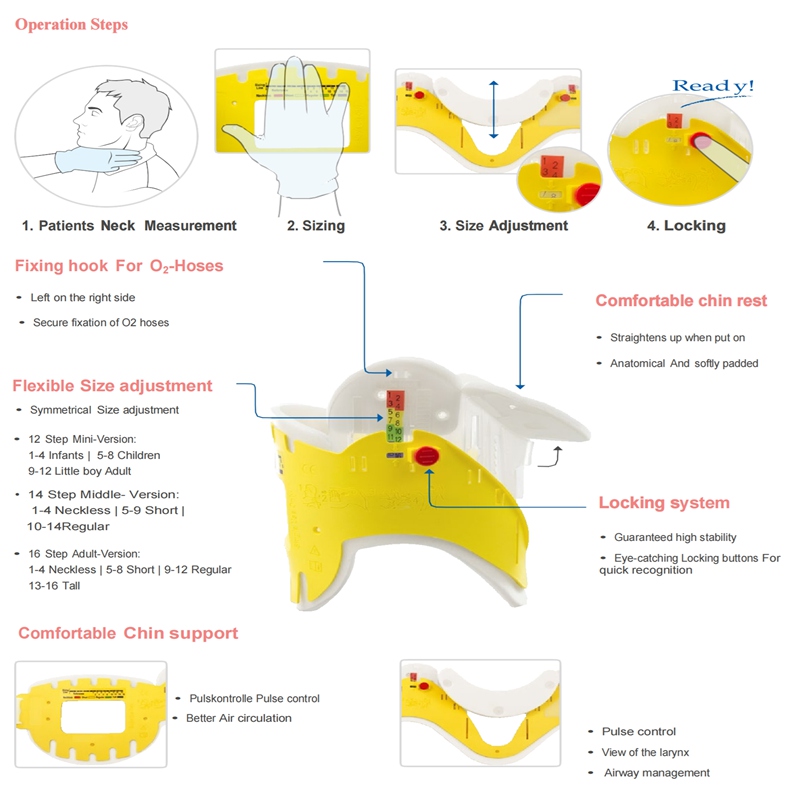
    In this article A cervical collar (C-collar) limits neck movement after a suspected spinal injury. This guide covers the chin-to-shoulder finger-sizing method, the difference between rigid, adjustable, and soft collars, and the compliance points B2B buyers should check before sourcing—so EMS teams and distributors stock the right size every time. What a Cervical Collar Actually Does A cervical collar—often called a C-collar or neck brace—is a rigid or semi-rigid device that restricts movement of the cervical spine after trauma. In pre-hospital care it is applied during extrication and transport whenever a spinal injury cannot be ruled out: motor-vehicle crashes, falls, diving accidents, or blunt trauma above the clavicles. The collar's real job is narrow but critical. It primarily restricts flexion (the chin dipping toward the chest) and limits extension; it does not "freeze" the neck. Rotational and lateral control comes from a head immobilizer and a spinal board used together with the collar. Understanding this split helps procurement teams buy the collar as part of a complete immobilization system, not as a standalone item. Why Sizing Is the Real Dealbreaker An incorrectly sized collar is worse than none at all. Too short, and it fails to stop flexion; too tall, and it drives the neck into hyperextension and can close the airway. Too loose, and it slides over the mouth and nose; too tight, and it compresses the carotid arteries. The field literature is blunt about this: a wrong size is a life-safety hazard, not a comfort issue. A common misconception is that collar size tracks body height. It does not. A tall adult can have a short, thick neck; a small adult can have a long, slender one. The only reliable approach is to measure the patient at the scene—which is exactly why adjustable collars have become so popular with ambulance services. The Finger-Measurement Method The field-standard technique needs no tape. With the patient's head in a neutral, eyes-forward position, the rescuer brings the fingers together as if saluting and rests the hand on top of the shoulder, pinky down. They draw an imaginary horizontal line from the bottom of the chin and count how many finger-widths of space sit between that line and the shoulder. That finger count maps to the collar height—or to the adjustment setting on an adjustable collar. Manufacturers etch a sizing scale on the device itself, so the rescuer can match the measured gap before application. It is fast, reproducible, and works in low light—exactly what matters on a crash scene or in a dimly lit ward. Rigid, Adjustable, or Soft? Three categories dominate the market, and each suits a different buyer: Rigid one-piece collars (Stifneck-style extrication collars) give maximum immobilization and are the pre-hospital standard for suspected fractures. They ship in fixed adult and pediatric sizes and are often color-coded for quick grab. Adjustable (multi-size) collars replace several fixed sizes with one device that ratchets through many height settings. For ambulances and distributors, this cuts inventory dramatically—one SKU covers adult and pediatric ranges instead of four or five fixed collars. Soft foam collars support muscle strain and minor stiffness but offer no meaningful protection against spinal movement. They belong in pharmacy and homecare channels, not trauma bags. For emergency buyers, the practical mix is adjustable adult and mini collars plus a small stock of fixed rigid pediatric sizes. What Procurement Should Verify Beyond size, six checks protect a B2B order: Latex-free construction — mandatory for allergy safety and tender compliance. Radiolucent material — so CT and MRI are not blocked and the collar need not be removed for imaging. Tracheal opening — a front aperture lets responders monitor the airway and carotid pulse. Certifications — confirm ISO 13485 quality management, CE marking, and FDA listing on the manufacturer. System compatibility — the collar should pair with the supplier's head immobilizer and spinal board so the kit works as one. Single-use vs. reusable policy — decide per your infection-control protocol; many services discard after use. Build the Full Immobilization Kit A collar alone is incomplete. Spec it alongside a head immobilizer, a spinal board or scoop stretcher, and—for extremity fractures—air splints. Buying the set from one manufacturer simplifies documentation, training, and after-sales support, which is why many distributors prefer a single-source first-aid immobilization range rather than mixing brands. Related Products Adjustable Cervical Support Collar (TW5002)— adult and mini sizes for pre-hospital neck immobilization.View product →Adult Silicone Manual Resuscitator (TW8111)— emergency ventilation when breathing must be supported alongside spinal care.View product →Emergency Resuscitation Face Mask (TW8342)— one-way-valve CPR mask for safe rescue breathing.View product →Anti-Choking Suction Device (TW8648)— airway clearance for choking emergencies on the same response call.View product → Why Partner With Tianzuo Medical Xiamen Tianzuo Medical is a one-stop B2B medical supplier and a leading manufacturer of emergency, anesthesia, and respiratory products for pre-hospital, in-hospital, and homecare settings. Our first-aid immobilization line—including the adjustable cervical support collar, head immobilizers, and air splints—is engineered for the realities of EMS and crash-cart use. We integrate R&D, molding, and production in-house, which is why OEM and ODM are our forte: distributors and private-label buyers can specify colors, sizing ranges, and packaging without juggling multiple vendors. Every order is backed by ISO 13485:2016 quality management, CE certification, and FDA listing, with full export documentation supplied for tender and cross-border shipments. Whether you need a trial MOQ or a recurring bulk order, our factory supports wholesale and distributor programs with stable lead times. Talk to us about building a complete spinal-immobilization kit under one brand. Inquiry now: visit our contact page or email Stephen@tzmed.com for quotes, catalogs, and OEM/ODM options. Frequently Asked Questions How do I measure a patient for a cervical collar? With the head in a neutral position, measure the vertical gap between the bottom of the chin and the top of the shoulder—commonly done by counting finger-widths—then match that to the collar's sizing scale or adjustment setting. Does collar size follow body height? No. Neck length and thickness vary independently of height, so every patient must be measured at the scene rather than guessed from stature. What is the difference between a rigid and an adjustable cervical collar? Rigid one-piece collars give fixed maximum immobilization in set sizes; adjustable collars ratchet through many heights so one device covers adult and pediatric ranges and reduces distributor inventory. Can a cervical collar alone immobilize the spine? No. The collar mainly limits flexion and extension; rotational and lateral control requires a head immobilizer and spinal board used as a complete system. What certifications should a B2B buyer require? Look for ISO 13485 quality management, CE marking, and FDA listing on the manufacturer, plus latex-free construction and a radiolucent, tracheal-opening design for clinical use.
  • How to Choose an Anesthesia Mask: A Practical Guide to Size, Cushion, and Material
    How to Choose an Anesthesia Mask: A Practical Guide to Size, Cushion, and Material
    Aug, 13 2026
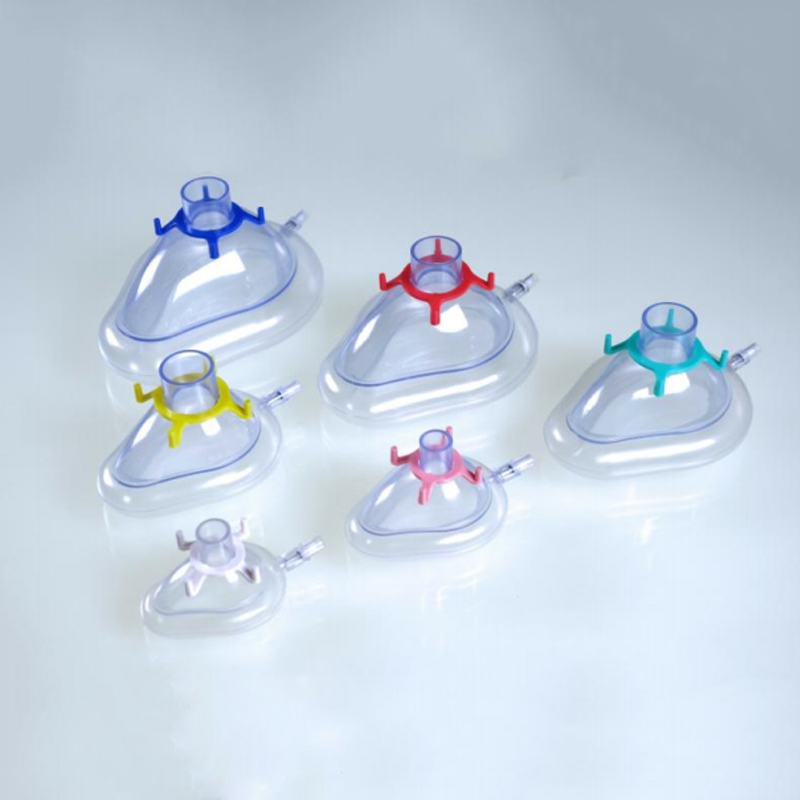
      In this article Summary: An anesthesia mask is the interface that turns gas delivery into a sealed, controllable airway—yet a poorly sized or stiff mask leaks anesthetic agent, pressures the face, and slows induction. This guide walks anesthesia buyers, OR nurses, and distributors through the decisions that actually affect performance: matching mask size to the patient (neonate to large adult), choosing between PVC single-use and silicone reusable cushions, what the 22 mm connector and transparent dome buy you, and how to vet a manufacturer's QC and documentation for tenders. Why the Anesthesia Mask Still Matters Even with supraglottic airways and video laryngoscopes, the face mask is the first and last interface in airway management—preoxygenation before induction, ventilation between intubation attempts, and recovery-room oxygenation. A mask that seals at low contact pressure preserves your target FiO₂ and volatile concentration, limits waste anesthetic gas in the OR, and reduces facial pressure marks during long cases. For procurement teams, that means the cheapest mask on the quote is rarely the cheapest over a year of leaky inductions and wasted agent. Getting the Size Right Sizing is the simplest guard against leaks. Masks run from neonate (size 0/1) through pediatric (2–4) to adult (5–6, sometimes up to 8). A practical bedside method: align the mask from the nasal bridge to the tip of the chin without compressing soft tissue, and seat the cushion on bony landmarks—avoiding the eyes and lips. Too small and you cannot seal; too large and dead space rises while visibility of the mouth drops. Stock the sizes your case mix actually needs: a general OR keeps #3–#5 plus a pediatric set; a neonatal unit narrows to #0–#1. Color-coded hook rings speed selection under stress. PVC Single-Use vs Silicone Reusable PVC (single-use): economical, 100% latex-free, and disposed after one patient—which removes cross-infection risk. A soft, pre-inflated air cushion (as on our TW8374) molds to facial contours, so you reach a seal with less downward pressure. Individually packed and lot-traceable, it suits high-turnover theaters and EMS. Silicone (reusable): supple, autoclavable, and built to survive hundreds of cycles. The higher unit cost pays back in facilities with validated reprocessing and a steady case load. Best for training manikin sets and ORs that reprocess between patients. A useful rule: "one patient, one mask" favors PVC; "one mask, many cycles" favors silicone. Cushion, Connector, and Visibility Air cushion: an inflatable rim lets you fine-tune seal pressure and accommodate beards or edentulous faces. Over-inflating doesn't improve the seal—it just increases pressure marks. 22 mm connector: the standard port snaps onto anesthesia machines, ventilators, and bag-valve masks without adapters, which is exactly where disconnections usually happen. Transparent dome: you can see fogging, secretions, and lip color without lifting the mask—useful the moment induction deepens. Color-coded hook ring: speeds size selection under stress and doubles as a head-strap anchor. What Distributors Should Check Before Sourcing If you are evaluating suppliers for a tender or a private-label line, line them up on: Biocompatibility and latex-free certification (PVC should meet biocompatibility standards). Single-unit sterile packaging with size, lot, and expiry printed on each unit. A full size range (neonate to adult large) in one program, so you can offer mixed cartons. Documentation: CE, ISO 13485:2016, and FDA-listing support for export markets. Consistent cushion rebound and clean molding—ask for samples across two production batches. Related Products PVC Anesthesia Masks with Ultra-Soft Cushion (TW8374)— single-use, latex-free, color-coded sizes.View product →Adult Silicone Manual Resuscitator (TW8111)— pairs with the mask circuit for ventilation.View product →Adult PVC Manual Resuscitator / Ambu Bag (TW8311)— pre-hospital ventilation partner.View product →Resuscitation Mask with One-Way Valve (TW8342)— CPR and emergency face mask.View product →Adjustable Cervical Support Collar (TW5002)— airway plus immobilization in one kit.View product → Why Partner With Tianzuo Medical Xiamen Tianzuo Medical Co., Ltd. builds emergency, anesthesia, and respiratory products under one roof—R&D, molding, and production integrated, with OEM and ODM as our forte. We hold ISO 13485:2016, with CE and FDA-listed products, and our team drafted China's *Guidelines for the Technical Review of Manual Resuscitator Registration*—an engineering depth that carries into every mask we mold. For distributors and wholesalers, we support private-label branding, flexible MOQs, and export documentation packs (IFU, labeling, traceability) that satisfy tenders across Europe, the Middle East, and Asia. If you are building or refreshing an anesthesia consumables line, contact our experts for samples and pricing, or email Stephen@tzmed.com directly. Frequently Asked Questions What size anesthesia mask do I need for an adult? Most adults fit a size 5 or 6; align the mask from the nasal bridge to the chin and confirm the cushion seats on bony landmarks without pressing the eyes. Are PVC anesthesia masks latex-free? Yes—our TW8374 PVC masks are 100% latex-free and individually packed for single-patient use. Can anesthesia masks be reused? Silicone masks are autoclavable and reusable with validated reprocessing; PVC masks are single-use to remove cross-infection risk. What connector fits an anesthesia machine? A standard 22 mm connector, which is universal across anesthesia circuits, ventilators, and bag-valve masks. Does Tianzuo Medical offer OEM anesthesia masks? Yes. We provide OEM/ODM with private labeling, full size programs, and CE/ISO 13485/FDA documentation.
  • How Does an Anti-Choking Device Work? A Practical Guide for Clinics, Schools, and Distributors
    How Does an Anti-Choking Device Work? A Practical Guide for Clinics, Schools, and Distributors
    Aug, 13 2026
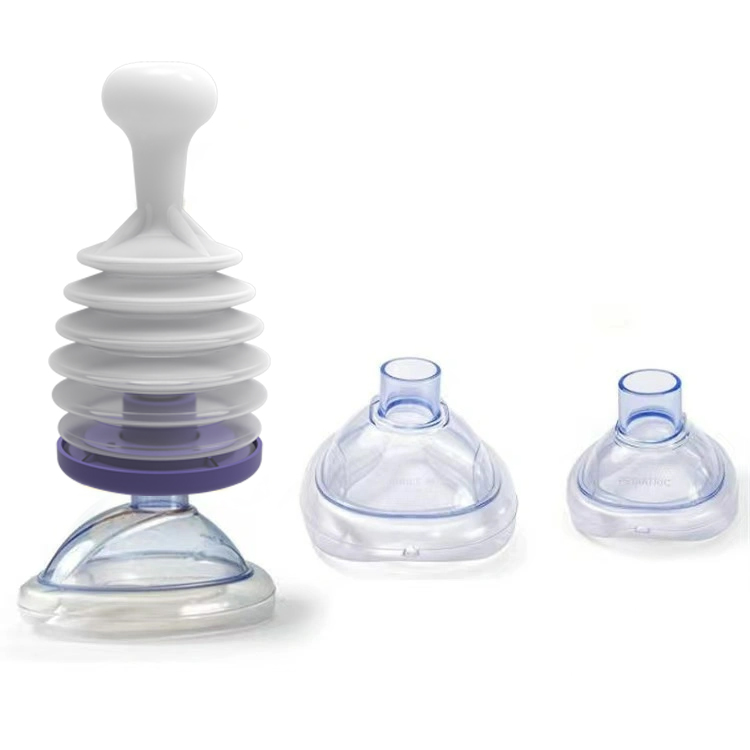
      In this article Summary: Choking is a leading cause of accidental injury death, yet the standard Heimlich maneuver isn't safe or effective for everyone—infants, the elderly, pregnant women, and people in wheelchairs included. An anti-choking device (also called a choking rescue or suction device) offers a non-invasive backup that uses negative pressure to pull a blockage free. This guide explains how it works step by step, how it compares with abdominal thrusts, who should stock one, and what distributors should check before sourcing. Why Choking Rescue Devices Are Gaining Attention In the United States, choking is the fourth leading cause of unintentional injury death, and for infants under one year it is the top preventable-injury killer. The Heimlich maneuver has saved countless lives since 1974, but it relies on rescuer strength and correct technique—and it can cause rib fractures or internal injury in frail patients. That gap is why schools, care homes, and restaurants are now adding suction-type rescue devices to their first-aid kits, and why several U.S. states have begun mandating them on school campuses. How an Anti-Choking Device Works The principle is simple: instead of pushing air in (like abdominal thrusts), the device pulls the obstruction out with suction. A typical unit—our TW8648 choke suction device follows this design—has four parts: Face mask: Placed over the nose and mouth to form an airtight seal. One-Way Valve: Stops air from being pushed further into the airway. Plunger / suction pump: Depress to clear air, then pull back to generate negative pressure. Transparent tube: Lets the rescuer see the dislodged object. In use, you place the mask, press the plunger down to expel air, then pull it up to create suction. If the first attempt doesn't clear the blockage, repeat the push-pull motion without removing the mask. Most lay users can assemble and operate the device within roughly three minutes—inside the window before hypoxia causes harm. Anti-Choking Device vs. the Heimlich Maneuver They aren't competitors; they're layers of defense. Guidelines still put back blows and abdominal thrusts first. The device is the *second-line* option when those fail, or when the rescuer can't safely apply them—think a pregnant woman, a frail senior with osteoporosis, or an infant whose ribs are too delicate for thrusts. Because suction is gentler than compressions, it's also easier for an untrained bystander to attempt without causing injury. One caveat distributors should communicate: these devices should supplement, not replace, standard first-aid training. Buyers should stock them alongside, not instead of, CPR and choking education. Who Should Stock One Schools and daycare centers: Where young children choke most often. Care and nursing homes: For residents who can't tolerate abdominal thrusts. Restaurants and gyms: High-risk public settings with mixed-age crowds. Home and travel kits: Especially for families with infants or elderly relatives. Clinics and ambulances: As a documented backup in the airway algorithm. What to Look for When Sourcing an Anti-Choking Device If you're a distributor or procurement lead evaluating suppliers, check these points: Clear one-way valve and airtight mask seal — the core of safe operation. Transparent chamber so rescuers see the extracted object. Adult and pediatric mask options in one kit where possible. Simple, pictogram-based instructions for untrained users. Certifications and QC — work with a manufacturer running ISO 13485 processes and able to supply test documentation. Related Products Choke Suction Device (TW8648)— portable, non-invasive airway clearance.View product →Portable Suction Device (TW8648-B)— backup for pre-hospital airway care.View product →Resuscitation Mask with One-Way Valve (TW8342)— pairs with CPR response.View product →Adjustable Cervical Support Collar (TW5002)— broader first-aid immobilization line.View product → Why Partner With Tianzuo Medical As a vertically integrated manufacturer of emergency, anesthesia, and respiratory products, Xiamen Tianzuo Medical brings the same quality system to airway devices as to our flagship resuscitators: ISO 13485:2016, CE, and FDA-listed production, plus in-house molding and OEM/ODM support. For wholesalers and brand owners, we offer private labeling, flexible MOQs, and the documentation needed for tenders and retail compliance. If you're adding choking rescue devices to your catalogue, reach our team for pricing, samples, and customization options, or email Stephen@tzmed.com. Frequently Asked Questions How does an anti-choking device remove a blockage? It creates negative pressure (suction) through a sealed mask and one-way valve, pulling the obstructing object back out of the airway rather than pushing it deeper. Can it replace the Heimlich maneuver? No. Current guidance treats it as a second-line tool after back blows and abdominal thrusts fail, or when those aren't safe to perform. Is an anti-choking device safe for infants? Yes—pediatric masks make it suitable for young children and infants, who are among the groups least able to tolerate the Heimlich maneuver. Do these devices require training to use? Basic. Most lay users can assemble and operate one within about three minutes following the pictogram instructions, but standard first-aid training remains recommended. Can Tianzuo Medical supply anti-choking devices under our brand? Yes. We provide OEM/ODM manufacturing with private labeling, certifications support, and export documentation.
  • How to Choose a Manual Resuscitator (BVM): A Practical Buying Guide for Clinics, Distributors, and First Responders
    How to Choose a Manual Resuscitator (BVM): A Practical Buying Guide for Clinics, Distributors, and First Responders
    Aug, 05 2026
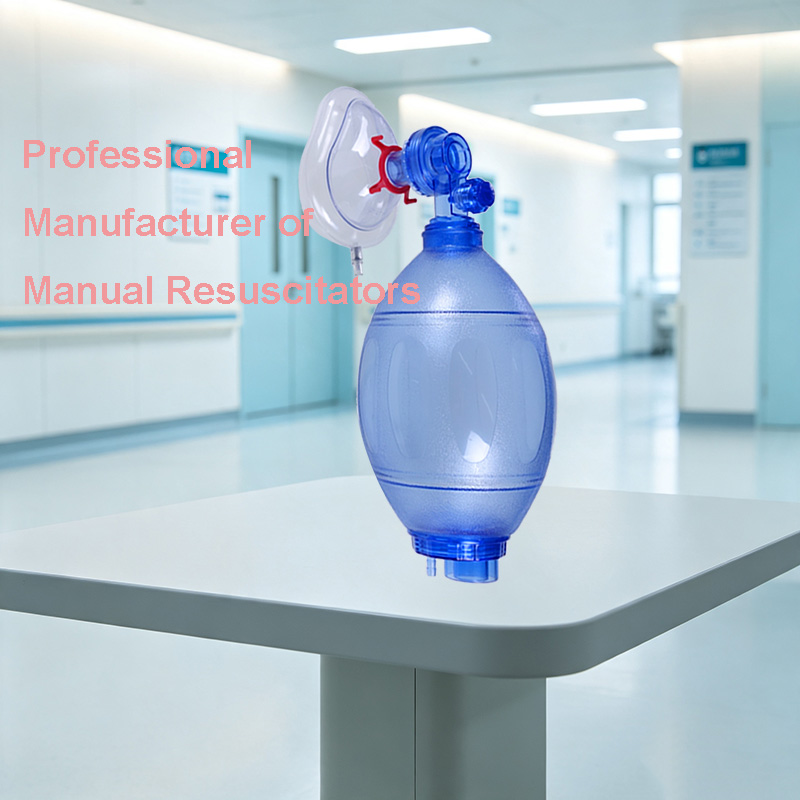
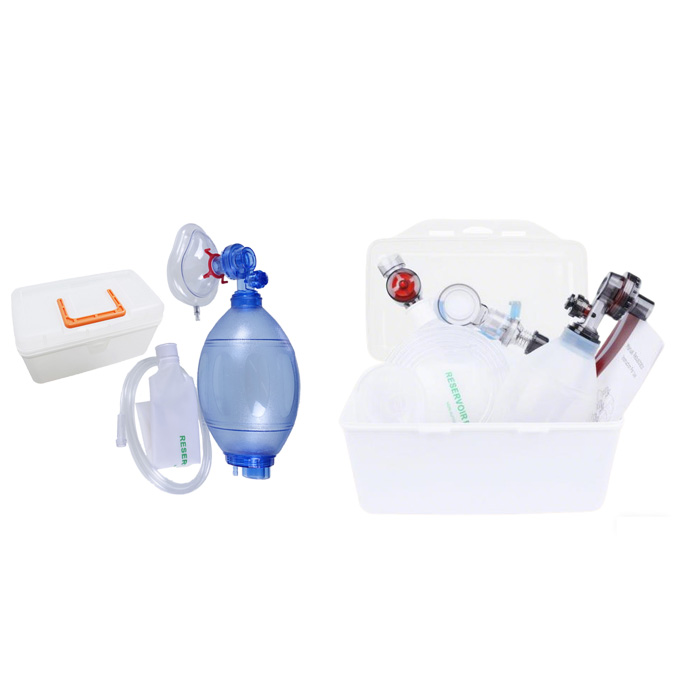
    Summary: A manual resuscitator—often called a BVM or Ambu bag—is the fallback device that keeps a patient breathing when a ventilator isn't available. This guide walks procurement managers, distributors, and clinical buyers through the three core material choices (PVC, silicone, SEBS), how to size bags for neonate through adult patients, the specifications that actually matter on the spec sheet, and when single-use beats reusable. We also cover how to vet an OEM/ODM manufacturer so your order meets ISO 13485, CE, and FDA expectations. What a Manual Resuscitator Does—and Why It's Still Essential Electric ventilators do the heavy lifting in the ICU, but they fail exactly when you can least afford it: during a power cut, a transfer down the corridor, or the first three minutes of a cardiac arrest in the field. A manual resuscitator is the hand-squeezed bag that bridges those gaps. Squeeze the self-inflating bag and a one-way patient valve pushes air—or oxygen from the reservoir—into the lungs; release it and the bag refills, ready for the next breath. Because it needs no power, no software, and almost no training to operate at a basic level, the BVM stays on every ambulance, outside every operating theatre, and inside every crash cart. If you are buying for a hospital, a distributor, or a government tender, the device you choose has to perform the same way on attempt 500 as on attempt one. PVC, Silicone, or SEBS: Picking the Right Material This is the first real decision, and it shapes cost, cleaning, and shelf life. PVC (single-use): The workhorse for EMS and high-turnover settings. PVC bags are economical, 100% latex-free, and disposed after one patient, which removes cross-infection risk. Our TW8311 adult PVC resuscitator, for example, ships with a built-in pressure-limiting valve and a 2,000 ml reservoir bag. Silicone (reusable): Supple, autoclavable, and built to survive thousands of cycles. Silicone keeps its elasticity after repeated disinfection, so it is the default for theatres and training programs. The trade-off is a higher unit price and a validated reprocessing step. SEBS (single-use, cold-resistant): A thermoplastic elastomer that stays flexible in low temperatures and is more environmentally friendly than standard PVC. It is a strong pick for pre-hospital kits in cold climates. A useful rule: if your protocol is "one patient, one device," PVC or SEBS wins; if you are ventilating the same bag across a shift or a semester, silicone pays for itself. Sizing the Bag: Neonate to Adult Ventilation volume has to match the patient. Over-bagging an infant causes barotrauma; under-bagging an adult wastes the effort. Standard ranges from our technical sheet: Neonate (0#): ~250 ml bag volume Infant (1#): ~340 ml Pediatric (2#): ~680 ml Adult (4#): ~1,630 ml Stock the sizes your population actually needs. A mixed emergency department usually carries adult, pediatric, and infant sets with matching masks; a neonatal unit narrows to 0# and 1#. Color-coded masks cut hand-off errors when seconds count. Spec Sheet Checkpoints That Matter Before you place a bulk order, line up suppliers on these points: Pressure-limiting valve: 40 cmH₂O for pediatric/infant, 60 cmH₂O for adult—prevents over-inflation. Dead space: Lower is better; our patient valve sits at ~7 ml. Resistance: Inspiratory and expiratory resistance under 5 cmH₂O keeps fatigue down during long cases. Connectors: Standard 15 mm / 22 mm fittings so the bag works with your masks and circuits. Reservoir and PEEP readiness: A reservoir bag (1,600–2,000 ml) and an optional PEEP port protect oxygenation when it counts. Single-Use vs. Reusable: Matching Workflow Single-use bags simplify infection control and need no reprocessing line—ideal for distributors serving EMS and disaster-response stockpiles. Reusable silicone suits facilities with validated cleaning and a steady case load. Most buyers end up with a mix, and that is fine. Related Products Adult Silicone Manual Resuscitator (TW8111)— reusable, autoclavable, 1,630 ml.View product →Adult PVC Manual Resuscitator / Ambu Bag (TW8311)— single-use, 100% latex-free.View product →Adult SEBS Manual Resuscitator (TW8211)— cold-resistant, eco-friendly single use.View product →PVC Anesthesia Masks with Ultra Soft Cushion (TW8374)— pair with any BVM circuit.View product →Resuscitation Mask with One-Way Valve (TW8342)— CPR and emergency ventilation.View product → Why Partner With Tianzuo Medical Xiamen Tianzuo Medical Co., Ltd. is a one-stop manufacturer integrating R&D, molding, and production under one roof—OEM and ODM are our forte. We hold ISO 13485:2016, with CE and FDA-listed products, and our team actually drafted the *Guidelines for the Technical Review of Manual Resuscitator Registration* in China. That engineering depth shows up in details distributors care about: consistent bag rebound, clean valve design, and color-coded sizing that reduces clinical error. For procurement teams and wholesalers, we support private-label branding, flexible MOQs, and documentation packs (IFU, labeling, traceability) that satisfy tenders across Europe, the Middle East, and Asia. If you are building or refreshing a resuscitation product line, contact our experts for a quote and sample kit, or email Stephen@tzmed.com directly. Frequently Asked Questions What is the difference between a manual resuscitator and a ventilator? A ventilator is powered and automated; a manual resuscitator is hand-squeezed and needs no power, making it the backup and first-response device. Is a silicone or PVC resuscitator better? Neither is universally better. PVC and SEBS suit single-use, high-turnover settings; silicone suits reusable, multi-patient workflows where cleaning is validated. What size manual resuscitator do I need for an adult? Typically a 4# adult bag around 1,500–1,630 ml with a 60 cmH₂O pressure-limiting valve and a matching adult mask. Can Tianzuo Medical produce manual resuscitators under our brand? Yes. We provide OEM/ODM services including molding, branding, and compliant documentation for international tenders. Are your manual resuscitators latex-free and certified? All our resuscitators are 100% latex-free and manufactured under ISO 13485:2016, with CE and FDA listing where applicable. Published by Tianzuo Medical · tianzuomedical.com · Emergency, Anesthesia & Respiratory products since 2011.
  • Disposable PVC vs. Reusable Silicone Ambu Bags: A Sourcing Cost-Benefit Analysis
    Disposable PVC vs. Reusable Silicone Ambu Bags: A Sourcing Cost-Benefit Analysis
    Jul, 23 2026
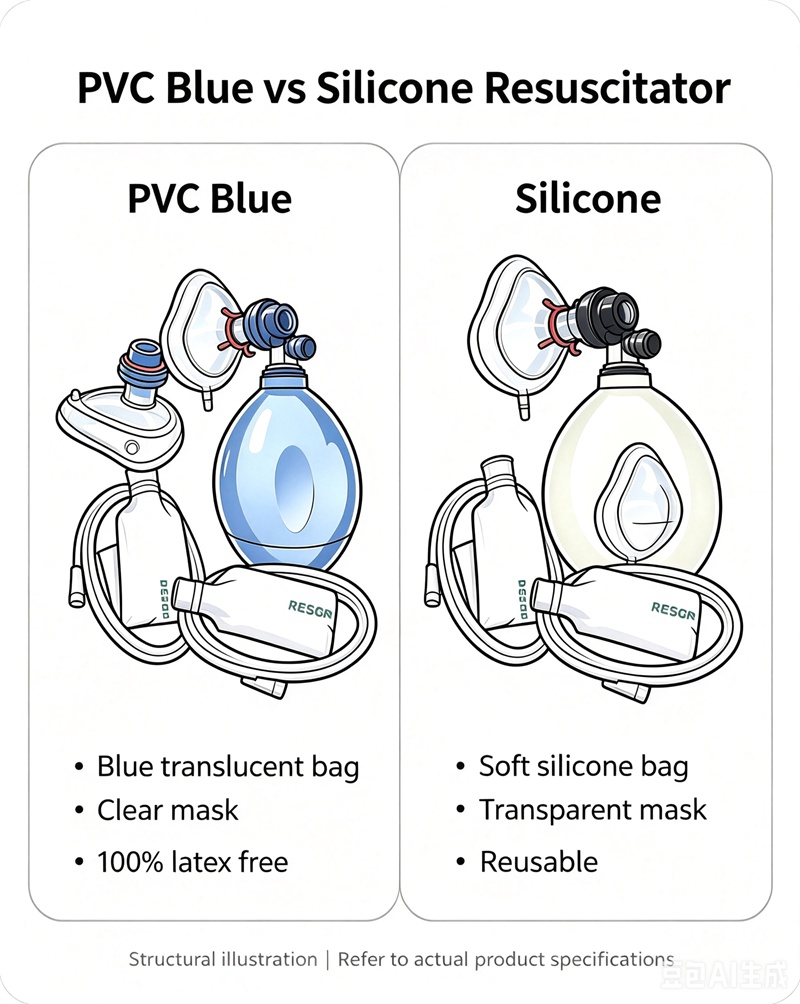
    When a distributor plans an emergency respiratory catalog, the Ambu bag (manual resuscitator) is rarely the flashiest line item. It is one of the most reordered. Two material paths dominate the category: single-use PVC and reusable silicone. The better choice isn't obvious, and it shifts depending on who buys the device and how they actually use it. PVC bags are cheap to make and cheaper to ship. A distributor can land a container of disposable units at a price that wins tender bids, particularly for EMS, first-response kits, and outbreak stockpiles where cross-contamination risk outweighs reuse economics. The catch shows up on the balance sheet later. Throwaway units mean repeat purchasing, and in markets with waste-disposal fees the lifetime cost climbs. Silicone changes the math. A reusable bag costs more up front, often three to five times a PVC unit, but it survives autoclaving and hundreds of patient cycles. For hospitals running steady ICU or OR volume, the per-use cost drops sharply after the first dozen uses. TIANZUO MEDICAL builds its silicone resuscitator line with medical-grade autoclavable material and color-coded sizes, which helps distributors serve clinical buyers who weigh total cost of ownership instead of sticker price. Most distributors we talk to don't pick one format. They split the catalog. XIAMEN TIANZUO supports both routes under private label, so a single supplier relationship covers disaster-preparedness tenders (PVC) and hospital reuse programs (silicone) without juggling two factories. Region shapes demand too. Public hospitals in the Middle East and parts of Asia still favor reusable silicone because sterilization infrastructure is mature and budgets reward durability. North American EMS and European pre-hospital services lean disposable, pushed by infection-control protocols and liability concerns. TIANZUO MEDICAL sees both patterns and can advise on the SKU mix that fits your market. We'd rather help you stock what sells than push volume you'll discount later. One practical way to frame it for buyers: PVC suits high-turnover, low-control environments where you can't guarantee sterilization. Silicone suits settings with trained staff and autoclaves, where the same bag will see hundreds of uses. Pitching the wrong one wastes a sales call. TIANZUO MEDICAL keeps both in stock so you can match the device to the customer instead of forcing a one-size answer. A few sourcing checks worth doing before you quote: Confirm valve and reservoir compatibility. Some buyers need PEEP valves or pediatric adapters, and that changes which SKU you offer. For silicone, ask for autoclave cycle-count data, not just a "reusable" label. For PVC, verify latex-free claims if you sell into allergy-sensitive regions.   TIANZUO has shipped both formats to distributors across Europe, the Middle East, and Southeast Asia, with CE documentation and MOQ flexibility for mixed container loads. If you're building or refining an emergency-airway category, ask our team for a sample set covering both materials. It's the quickest way to learn which your customers actually reorder.
  • Top 5 Hospital-Grade CPAP Mask Alternatives for Distributors
    Top 5 Hospital-Grade CPAP Mask Alternatives for Distributors
    Jul, 18 2026
    The global sleep apnea devices market continues to expand, and distributors are under constant pressure to source reliable, comfortable CPAP masks without sacrificing margin. While legacy hospital-grade brands dominate clinical settings, many B2B buyers now look for alternatives that deliver comparable therapy performance, flexible customization, and competitive pricing. For distributors building a private-label portfolio, the right alternative product line can be the difference between a thin resale margin and a defensible wholesale business. Beyond price, distributors increasingly value supply stability, faster lead times, and the ability to brand products under their own name — advantages that traditional hospital-grade suppliers rarely offer. XIAMEN TIANZUO, operating as TIANZUO MEDICAL, has spent years supporting distributors worldwide with OEM/ODM CPAP solutions engineered to hospital-grade standards.   Below are five CPAP mask alternatives worth adding to your wholesale catalog.   1. Nasal Pillow Masks   Nasal pillow masks use small cushions that seal directly at the nostrils, offering minimal facial contact and an open field of vision. They are ideal for claustrophobic patients and active sleepers. TIANZUO MEDICAL supplies nasal pillow systems with swivel elbows and adjustable headgear, available for private-label branding and bulk distribution.   2. Full-Face Masks with Anti-Asphyxia Valve   For mouth breathers and higher-pressure therapy, full-face masks remain essential. A hospital-grade silicone cushion and an integrated anti-asphyxia valve ensure safety during power interruption. The XIAMEN TIANZUO full-face series is built for durability and quiet operation, making it a strong alternative to premium branded units at a distributor-friendly cost. 3. Hybrid Masks Hybrid masks combine a nasal interface with an oral cushion, eliminating the need for a chin strap. They reduce leak rates and improve patient compliance. TIANZUO offers hybrid designs with quick-release magnetic clips, an increasingly requested feature among European and North American distributors. 4. Disposable / Short-Term CPAP Masks Hospitals and travel clinics need cost-effective, single-patient masks for short-term use. Disposable CPAP masks reduce cross-contamination risk and simplify inventory. TIANZUO MEDICAL produces latex-free disposable lines suitable for bulk tender orders and emergency stockpiling. 5. Pediatric CPAP Masks Pediatric sleep therapy is a fast-growing niche with limited supplier choice. Small-size cushions, softer silicones, and child-friendly designs set these apart. XIAMEN TIANZUO develops pediatric masks under strict quality control, helping distributors serve specialized clinics and home-care providers. Partner with TIANZUO   Choosing the right mix of CPAP mask alternatives lets distributors serve more patient profiles while protecting margins. TIANZUO MEDICAL supports partners with low MOQ, OEM/ODM customization, CE/FDA-aligned documentation, and stable lead times. Whether you need nasal, full-face, hybrid, disposable, or pediatric masks, XIAMEN TIANZUO can build a private-label program around your market. Our engineering team also assists with packaging, user manuals, and regulatory files so you can launch faster in your region. Contact our team to request a distributor quote and sample kit.
  • Private Label CPR Face Shields: How Customized Keychains Can Build Brand Loyalty for First-Aid Training Schools
    Private Label CPR Face Shields: How Customized Keychains Can Build Brand Loyalty for First-Aid Training Schools
    Jul, 09 2026
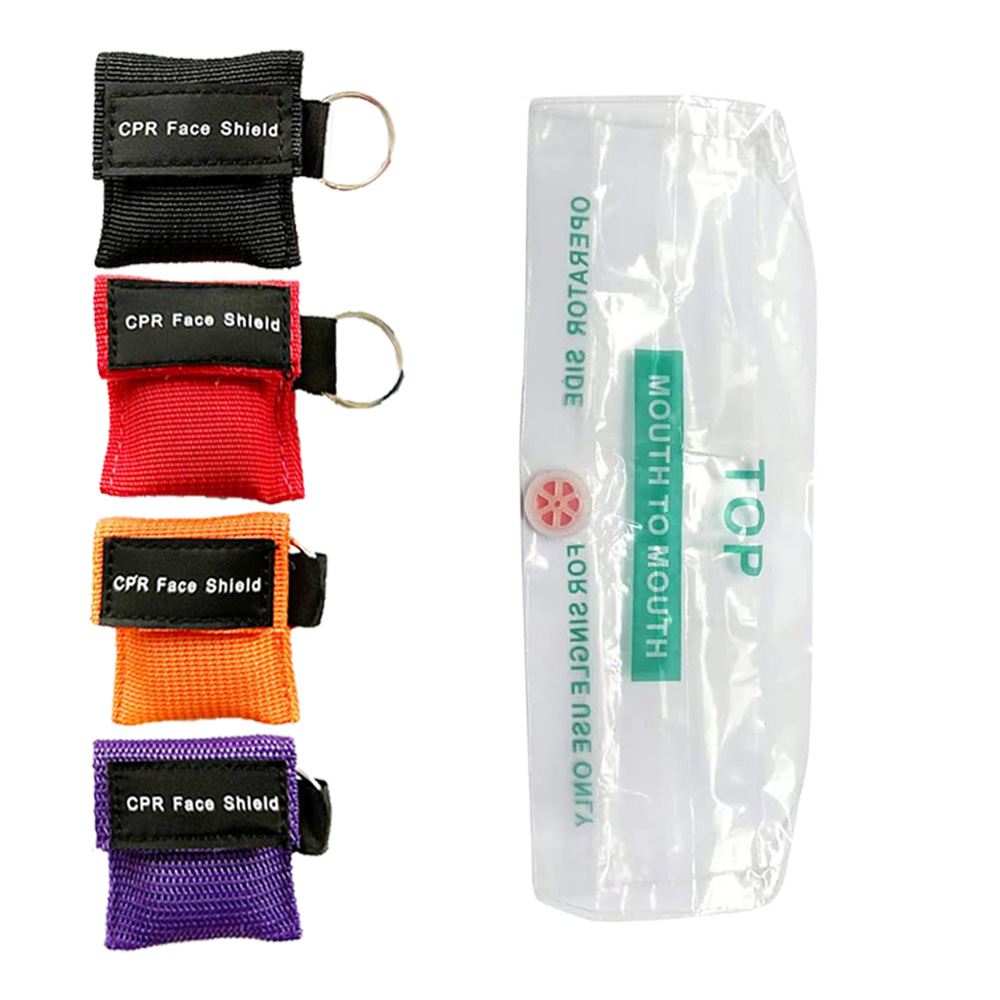
    In the world of first-aid training, credibility and trust are everything. Students enroll in your courses because they believe in your expertise—but what happens after they leave the classroom? How do you keep your brand top-of-mind long after the certification card is tucked away in a wallet? The answer may be smaller than you think. Customized CPR face shield keychains are emerging as one of the most effective—and overlooked—branding tools for first-aid training schools. And when it comes to manufacturing these life-saving, brand-building tools, Xiamen Tianzuo Medical Co., Ltd. stands at the forefront. Why Keychains? The Psychology of Everyday Branding A keychain is one of the few personal items people carry with them every single day. Keys jingle in pockets, hang from bags, and sit on desktops. Every time a student reaches for their keys, they see your logo. Every time a friend asks about that little pouch on their keyring, they hear about your school. But a CPR face shield keychain does more than just display a logo—it tells a story. It says: “I’m trained. I’m prepared. And I trust this school to keep me ready.” That emotional connection transforms a simple promotional item into a powerful brand ambassador. For first-aid training schools, this is particularly valuable. Your students are not just customers; they are potential first responders. Equipping them with a tangible tool that reinforces their training—and carries your branding—creates a lasting bond that extends far beyond the classroom. Xiamen Tianzuo: A Trusted Name in Emergency Care Founded in 2011 and headquartered in the beautiful coastal city of Xiamen, Xiamen Tianzuo Medical Co., Ltd. is a national high-tech enterprise and a recognized “Specialized and Sophisticated” SME in the city. The company specializes in the research, development, production, and sales of medical respiratory, anesthesia, and emergency products. With a comprehensive product portfolio that includes manual resuscitators (bag-valve masks), CPR Mask and CPR Face Shield, PVC anesthesia masks, silicone masks, nebulizers, cervical collars, inflatable splints, and so on. Tianzuo has established itself as a professional manufacturer dedicated to producing first-class emergency and anesthesia products. The company holds ISO 13485 certification and CE approval, and is registered with the FDA. Its quality management system meets the requirements of the EU Medical Device Directive (MDD/93/42/EEC). With multiple patents to its name and a professional R&D team, Tianzuo combines technical excellence with manufacturing scale—operating multiple production lines under strict quality controls. The Tianzuo CPR Face Shield Keychain: Protection Meets Portability At the heart of this branding opportunity is Tianzuo’s CPR face shield keychain—a compact, portable, and potentially life-saving device that students can carry anywhere. The Tianzuo CPR face shield (model TW8340) and CPR Mask (model TW8342) is designed for quick and effective use in emergency first-aid situations. It provides a protective barrier during mouth-to-mouth resuscitation, preventing cross-infection between the rescuer and the casualty. The product features a transparent face shield that allows rescuers to observe the patient’s lip color and detect any vomit, along with a one-way valve that ensures safe, hygienic rescue. Available in many colors, the keychain version comes in a compact pouch attached to a keyring, making it easy to carry on keys, bags, or belt loops. With a shelf life of three years and certifications, it offers both reliability and peace of mind. What truly sets this product apart for training schools, however, is the customization option. Tianzuo offers custom logo printing on the CPR face shield keychains, allowing schools to brand each unit with their own insignia. This turns a practical emergency tool into a personalized brand extension. Building Brand Loyalty, One Keychain at a Time So how exactly does a customized CPR face shield keychain build brand loyalty for first-aid training schools? Here are four key ways: 1. Constant Brand Exposure Every time a student uses their keys—multiple times a day—they see your logo. This repeated exposure reinforces brand recognition and keeps your school top-of-mind. When someone asks about the keychain, it becomes a conversation starter and an organic referral opportunity. 2. Reinforcing Training Value Your students learned CPR and rescue breathing techniques in your classroom. Giving them a tool that enables them to actually perform those skills in a real emergency validates the value of your training. It says, “We don’t just teach you—we equip you.” 3. Creating Emotional Connection A CPR face shield is not a trivial giveaway. It’s a symbol of preparedness and responsibility. When students receive a branded keychain from your school, they feel a sense of pride and affiliation. That emotional bond translates into loyalty, repeat enrollment, and positive word-of-mouth. 4. Differentiating Your School In a competitive market, small touches make a big difference. Offering a high-quality, branded emergency tool as part of your course package sets your school apart from competitors who may only offer a paper certificate. Why Partner with Xiamen Tianzuo? For first-aid training schools looking to implement a customized keychain program, Xiamen Tianzuo offers distinct advantages: Medical-Grade Quality: As a certified medical device manufacturer with ISO 13485 and CE approvals, Tianzuo ensures that every CPR face shield meets rigorous safety and performance standards. Customization Capabilities: With OEM and ODM services available, Tianzuo can produce keychains featuring your school’s logo, colors, and branding. Proven Expertise: With over a decade of experience in emergency and respiratory products, Tianzuo understands the needs of first-aid educators and professionals. A Small Investment with Lasting Returns For first-aid training schools, brand loyalty isn’t built in a single class—it’s built through ongoing touchpoints that remind students of the value you provide. A customized CPR face shield keychain from Xiamen Tianzuo is more than a promotional item. It’s a daily reminder of preparedness. A conversation starter. A symbol of trust. And a powerful tool for keeping your brand close—literally and figuratively—to the people who matter most: your students.   In the business of saving lives, every detail counts. Make sure your brand is part of the story.
  • Why Non-Invasive Negative Pressure Anti Choking Devices are Becoming Standard in School First-Aid Kits
    Why Non-Invasive Negative Pressure Anti Choking Devices are Becoming Standard in School First-Aid Kits
    Jul, 07 2026
    Choking poses severe, life-threatening risks to children of all school ages, triggered by snacks, small toys and classroom craft supplies. Traditional rescue techniques like the Heimlich maneuver demand proper training and physical strength, which many teachers and staff lack. Non-invasive negative pressure anti-choking devices (Model TW8648) deliver simple, safe, reliable obstruction removal, rapidly becoming a mandatory staple in school first aid kits worldwide. Safe, Non-Invasive Design Eliminates Rescue Risks This anti-choking tool relies on controlled negative suction instead of forceful abdominal thrusts or back blows, removing critical safety hazards for young students. Its built-in one-way valve stops air from being forced deeper into the airway, so food or foreign objects will not lodge further down the throat during operation. The soft flexible facial mask fits gently over kids’ faces without bruising delicate facial bones, making it completely non-invasive compared to rough manual first aid. The transparent plunger lets staff visually confirm when the blockage is extracted for instant peace of mind.  Ultra-Simple Operation for Untrained School Staff  Most teachers receive minimal emergency response training, and panic during choking incidents often leads to incorrect Heimlich execution. This device only requires three intuitive steps with zero advanced medical knowledge: 1. Cover the child’s nose and mouth with the mask to form a tight seal 2. Press the plunger down fully to release internal air 3. Pull the plunger upward to generate suction and draw out the airway obstruction Staff can master the procedure in minutes, even without formal CPR or first aid certification. Multiple colorful valve ring variants are available to suit school bulk purchasing needs.  Perfectly Adapted for Child Choking Emergencies  Children under 12 are the highest-risk group for choking incidents in school environments. This suction-based device works safely on toddlers through teenagers, delivering consistent suction power strong enough to clear candy, nuts, small toy parts and other common classroom obstructions. Unlike manual rescue methods that can injure a child’s soft abdominal tissue with overforce, negative pressure creates gentle, targeted pull only inside the breathing passage with no bodily harm. Cost-Effective, Low-Maintenance School Inventory Solution For school procurement teams, the TW8648 anti-choking device is a practical long-term investment. It is compact, lightweight and easy to store inside standard classroom first aid cabinets or playground emergency bags. The durable construction resists daily wear, and single-unit kits simplify bulk ordering for entire campus grades. OEM custom packaging options are also offered for schools and educational supply distributors to brand emergency kits for campus safety programs.  Compliance with Modern Campus Safety Standards  A growing number of regional education and public health authorities now recommend suction-style anti-choking tools as part of standardized school emergency supplies. These devices fulfill new safety guidelines that prioritize easy-to-use, low-risk rescue equipment for untrained on-site personnel. Stocking this negative pressure choking tool helps schools meet safety audit requirements, reduce liability risks and deliver faster life-saving response before paramedics arrive. Final Takeaway Non-invasive negative pressure anti-choking devices solve the core limitations of traditional choking rescue for school settings: complicated technique, risk of patient injury, and unreliable results from untrained staff. Their child-friendly design, one-step simple operation and compliance with updated campus safety rules explain why they are quickly transitioning from optional add-ons to essential standard equipment in every school first-aid kit.
  • Cost-Benefit Analysis of Disposable PVC Manual Resuscitators vs Reusable Silicone Manual Resuscitators
    Cost-Benefit Analysis of Disposable PVC Manual Resuscitators vs Reusable Silicone Manual Resuscitators
    Jul, 03 2026
    In medical equipment procurement, every decision involves intricate trade-offs between cost, clinical safety and supply chain efficiency. As an overseas purchaser sourcing suppliers of manual resuscitators in China, you need to evaluate not only product quality and regulatory certification compliance, but also conduct a full life-cycle cost assessment. Between disposable PVC manual resuscitators and reusable silicone manual resuscitators, which option can generate greater long-term value for your enterprise? As a specialized manufacturer of manual resuscitators, Xiamen Tianzuo Medical has carried out a systematic procurement cost-benefit analysis on disposable PVC manual resuscitators and reusable silicone manual resuscitators by leveraging its proprietary manufacturing experience and real procurement data from overseas clients, so as to provide solid references for your import and model selection decisions. I、Benchmark of Procurement Costs for the Chinese Market Based on the EXW quotation system applicable to the Chinese market, the key cost components of the two product models are detailed as follows:   Project PVC Manual Resuscitator Silicone Manual Resuscitator Usage Disposable Reusable and antuclavable Specification PVC Mask, Resuscitator, Oxygen Tube, Reservoir Bag Silicone Mask, Resuscitator, Oxygen Tube, Reservoir Bag Packaging PP Box PP Box Use Times 1 time 20 times   Note: The above are reference quotations on FOB Xiamen basis for the Chinese market. Actual prices are subject to change depending on order quantity and specific configurations, such as inclusion of PEEP valve, mouth opener, or oropharyngeal airway. In terms of initial procurement expenditure, disposable PVC products are priced at approximately 50% of reusable silicone alternatives, which is highly appealing to all procurement departments. Nevertheless, the true cost-effectiveness shall be re-evaluated from the perspective of per-use cost. II、Single-Use Cost: The True Break-Even Point 2.1 Allocation of Procurement Costs Only   Suppose you purchase reusable silicone manual resuscitators from Xiamen Tianzuo at an EXW price of $20.00 per unit. When properly reprocessed, the product can be safely used for 20 times. Cost allocation per use for silicone resuscitator = $20.00 ÷ 20 = $1 per use Cost per use for disposable PVC resuscitator = $10 per use (median value) In this regard, the per-use procurement cost of silicone products is approximately 90% lower than that of disposable products.   2.2 Full Comparison Including Disinfection and Reprocessing Costs Additional reprocessing costs will be incurred for reusable products during daily operation, which are implicit costs that must be taken into account. Based on typical data from Central Sterile Supply Departments of overseas medical institutions, the estimated per-use reprocessing cost of silicone manual resuscitators is as follows:   Item Estimated Cost Cost of Cleaning Supplies USD 0.18 Sterilization Consumables USD 0.25 Equipment Depreciation and Energy Consumption USD 0.12 Labor Cost USD 0.4 Functional Tests & Assembly USD 0.1 Total Cost USD 1.05   The total reprocessing cost over a 20-use lifecycle is approximately USD 21.   Full Cost Comparison Per Single Use (20 times): Disposable PVC Resuscitator: $10 per use + $0 reprocessing fee + approx. $0.15 disposal cost = $10.15 per single use Silicone Resuscitator:  Amortized procurement cost: $20 ÷ 20 = $1 Amortized reprocessing cost: $21 ÷ 20 = $1.05 Amortized component replacement cost (reservoir bag, oxygen tubing): approx. $0.30 Final disposal cost: approx. $0.05 Total = $2.00 per single use   Conclusion: When full reprocessing costs are factored in, the per-use cost of Xiamen Tianzuo silicone resuscitator is only 50% of that of disposable PVC equivalents. Based on a service life of 20 cycles, each set of silicone resuscitators can save purchasers approximately $100.00 in operating expenses over its full lifecycle, compared with using disposable products for all 20 cycles.
  • Customizing Venturi Oxygen Mask Kits: Understanding Color-Coded Diluters and Flow Accuracy
    Customizing Venturi Oxygen Mask Kits: Understanding Color-Coded Diluters and Flow Accuracy
    Jun, 29 2026
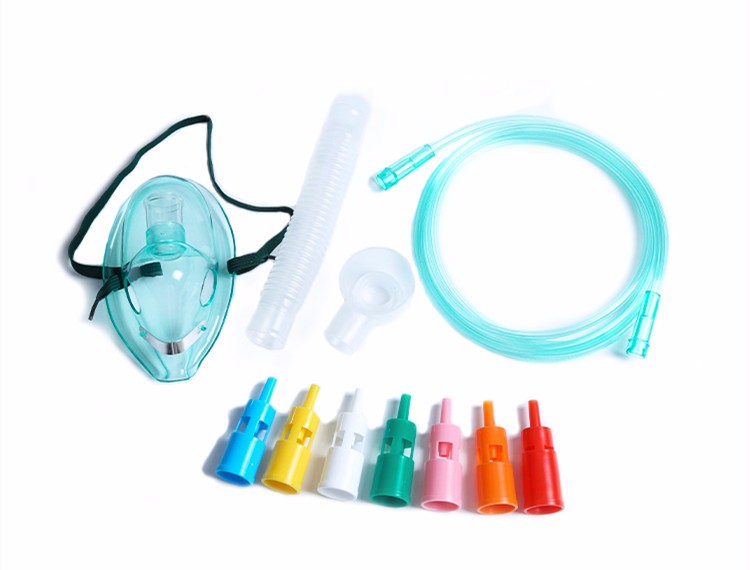
    Venturi masks are the gold standard for precise controlled oxygen therapy, powered by calibrated interchangeable diluters that deliver fixed, reliable FiO₂ levels for all respiratory patients. Our complete Venturi mask kit (Item No: TW8347) includes a transparent PVC mask, adjustable head strap, oxygen tubing and a full set of six color-coded diluters, with sizes ranging from XS to XL to cover infants through large adults. How Color-Coded Diluters Ensure Clinical Precision  Built on the Bernoulli principle, each colored diluter features a precision-engineered internal jet that mixes oxygen and room air at a fixed ratio. Distinct color coding lets medical staff quickly select the required oxygen concentration without complex charts, cutting down errors during busy emergency care. Unlike single-setting masks, the six interchangeable diluters cover the full range of therapeutic oxygen levels. Every diluter is factory-calibrated to maintain stable airflow mixing, eliminating FiO₂ drift that risks patient hypoxemia or carbon dioxide retention.  Consistent Flow Accuracy Improves Patient Safety Strict production calibration guarantees each diluter maintains its designed air-oxygen mixing ratio within clinical tolerance limits. Supporting design details reinforce reliable performance: • Clear mask shell for continuous observation of patient skin and airway secretions • Soft adjustable head strap to form a leak-proof facial seal • Flexible long tubing that avoids pulling the mask out of alignment Stable sealing and calibrated flow work together to prevent gas leakage and preserve accurate oxygen delivery throughout treatment.  Flexible Customization for B2B Buyers We offer multiple custom solutions for global distributors and hospital procurement teams: 1. Custom size allocation: Adjust the proportion of pediatric or large adult masks per bulk order to match local patient demographics 2. Branded packaging: Custom printed bags, logos and multi-language instruction inserts to meet international regulatory standards 3. Component tweaks: Modify tubing length and strap materials to fit regional clinical habits Complete regulatory documentation including ISO 13485 certificates and biocompatibility test reports for smooth customs clearance Main Clinical Uses These versatile Venturi mask kits are widely deployed across respiratory wards, emergency ambulances, post-surgery recovery units, pediatric clinics and home oxygen care, ideal for COPD, asthma, acute respiratory distress and post-anesthesia oxygen support. Closing Thoughts Color-coded diluters are core precision components that define consistent, safe oxygen therapy. Our customizable all-in-one Venturi mask kit reduces inventory costs, minimizes clinical mistakes and delivers steady flow accuracy for every patient. For B2B medical buyers, it is a versatile, high-demand respiratory consumable suitable for global hospital and clinic supply chains.
Prev
1 2 3 4
Next
Sign Up To Get The Latest updates

Please read on, stay posted, subscribe and we welcome you to tell us what you think

leave a message

leave a message
Ready to scale your medical business? Click here to get a free quote & catalog!
submit

Home

Products

WhatsApp

contact

Tell us your requirements (e.g., Quantity, Destination Port)
leave a message
Ready to scale your medical business? Click here to get a free quote & catalog!
Submit